
Last updated September 10, 2026
Level 1 sweep and inspection to the NFPA 211 annual standard - flue, crown, cap, and flashing checked and photographed
Chimney sweep logs do not sweep chimneys. They loosen some creosote - which then falls where a brush and vacuum still have to collect it.
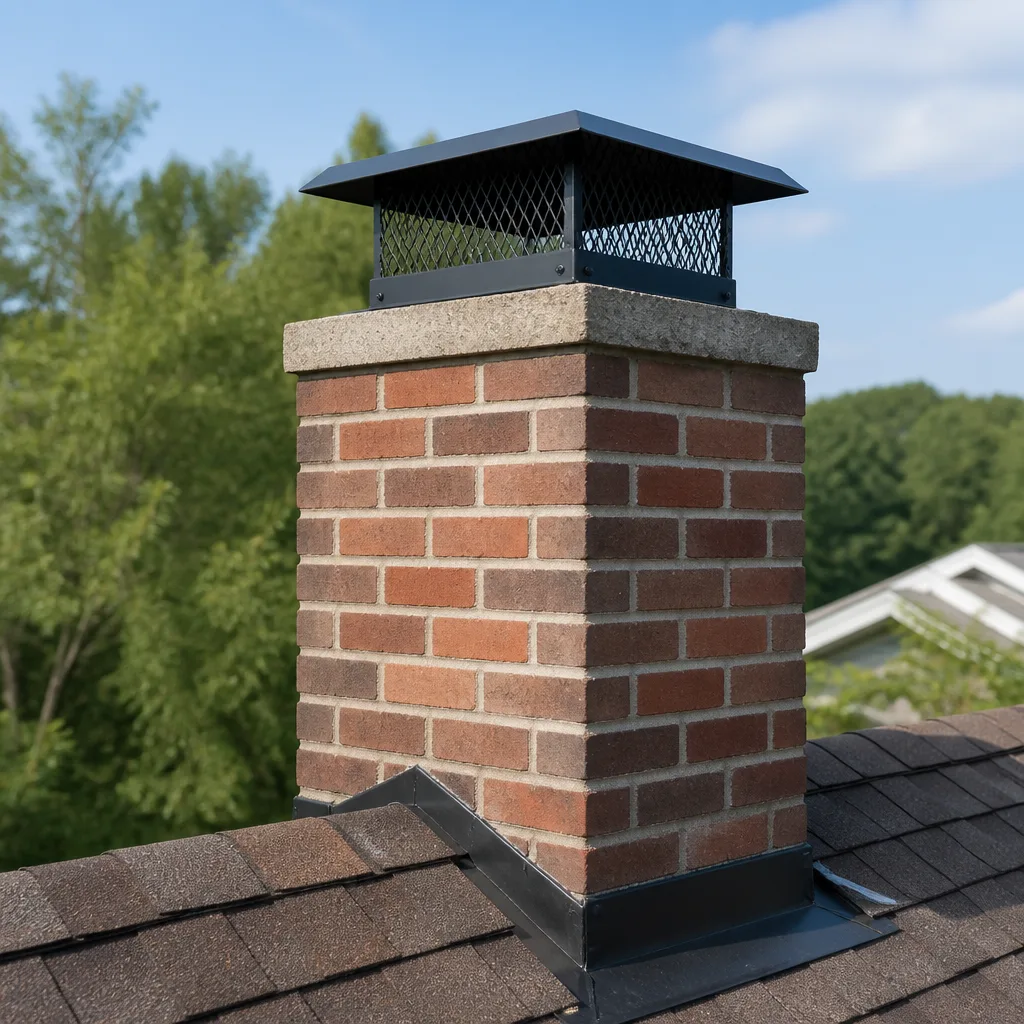
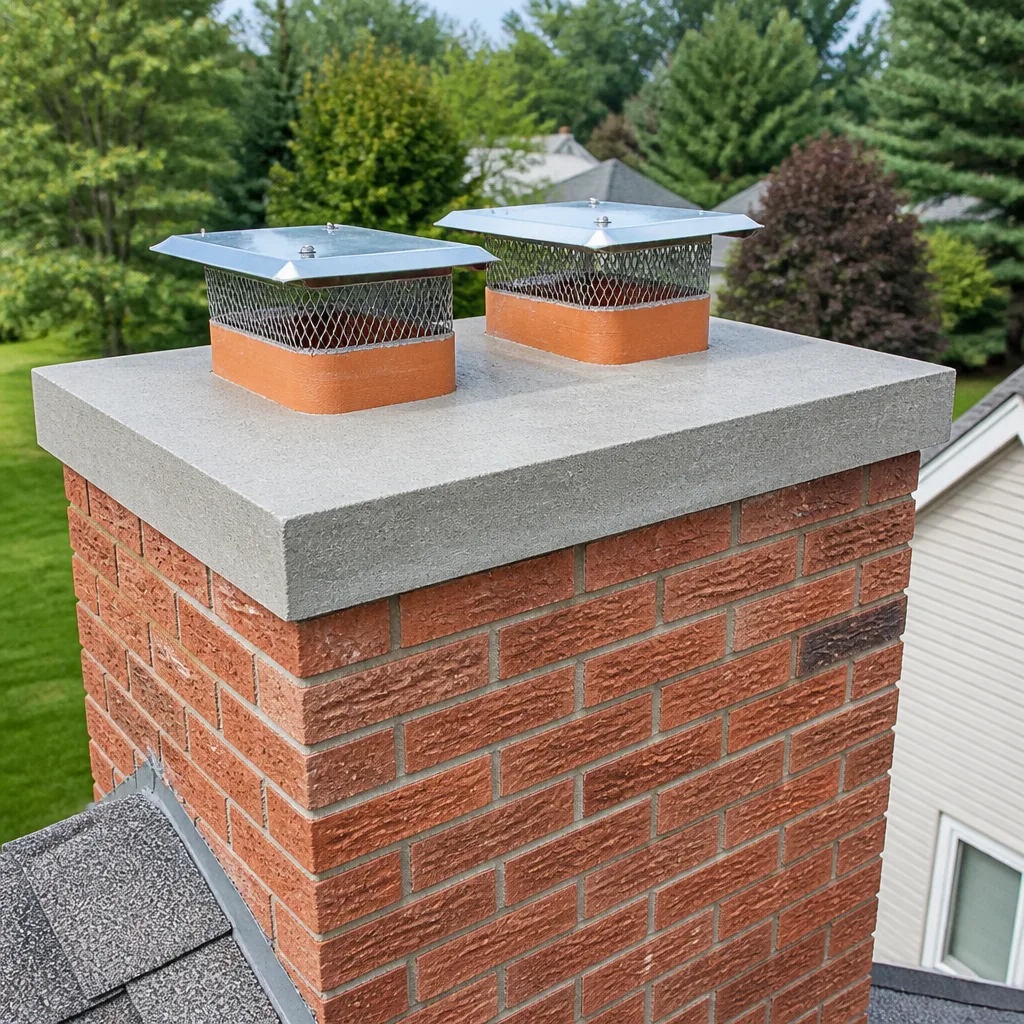
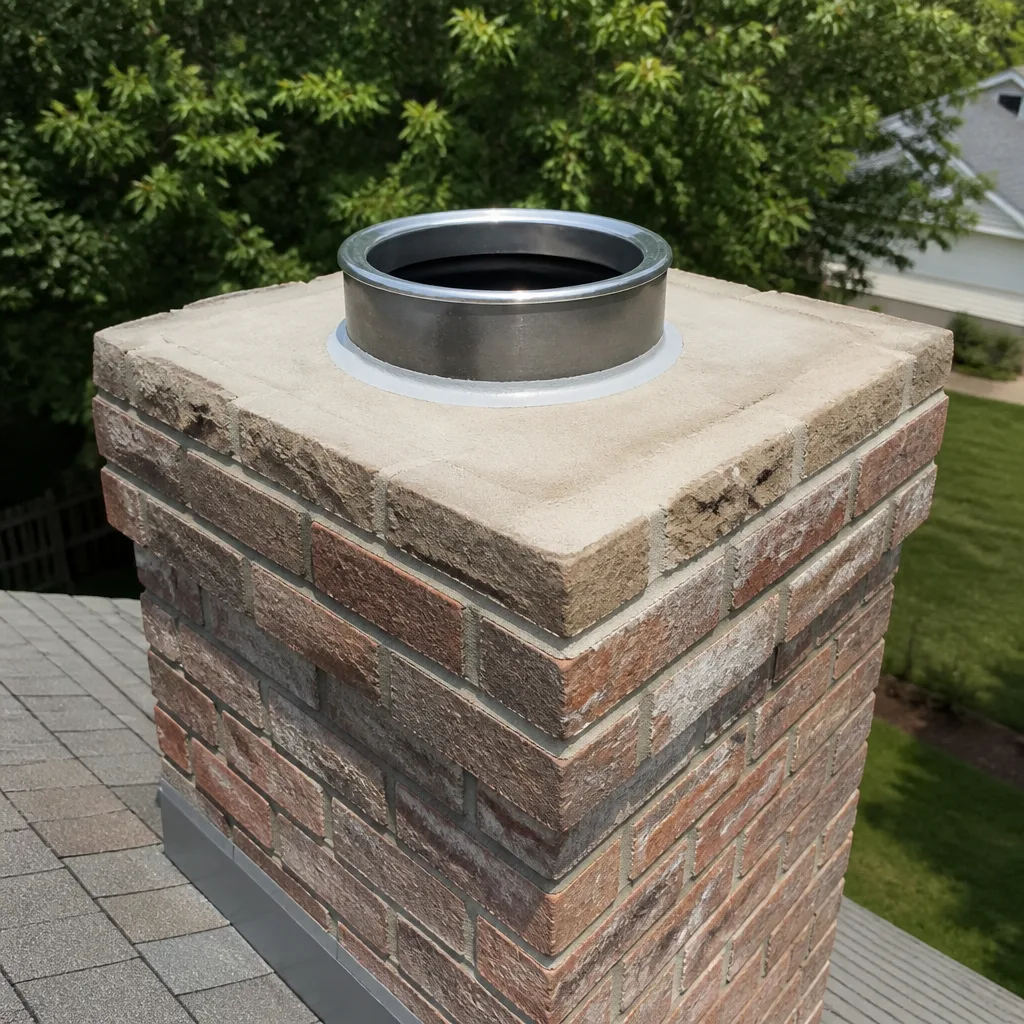
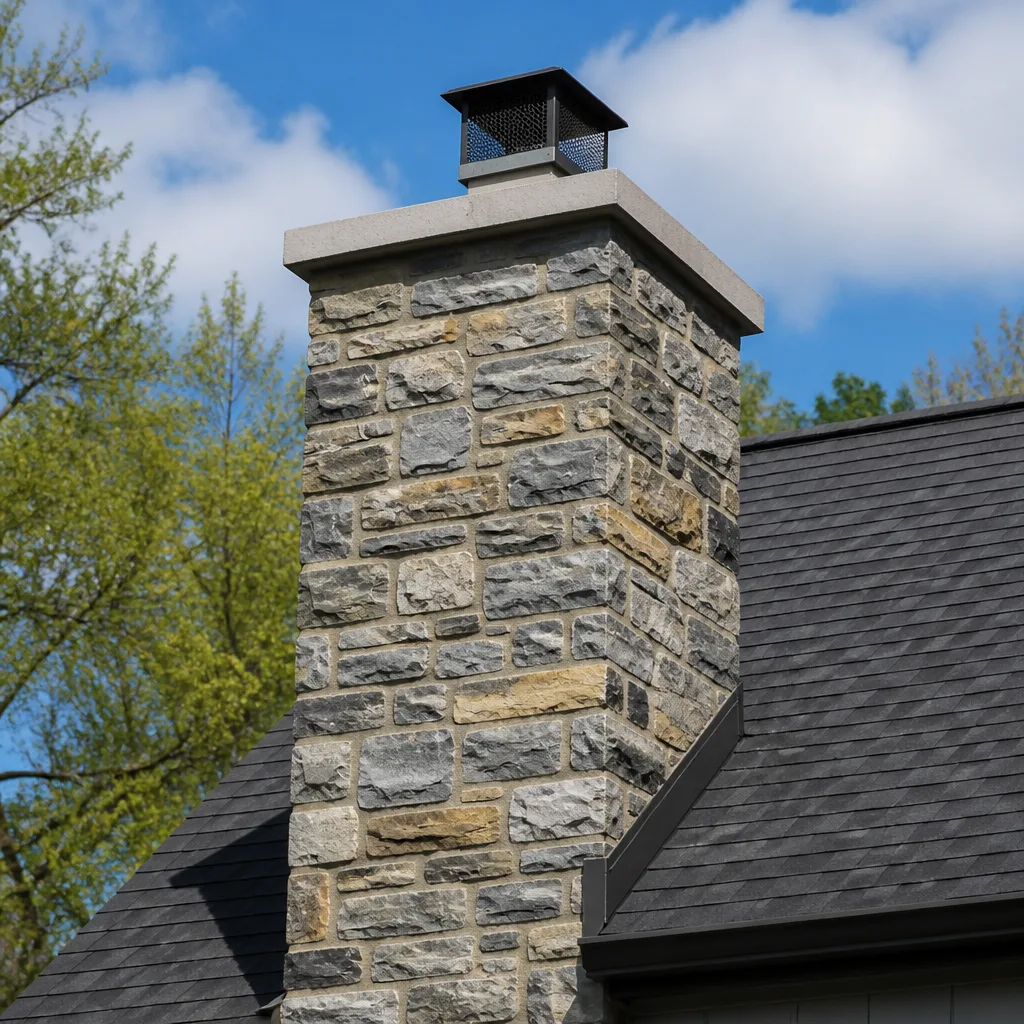
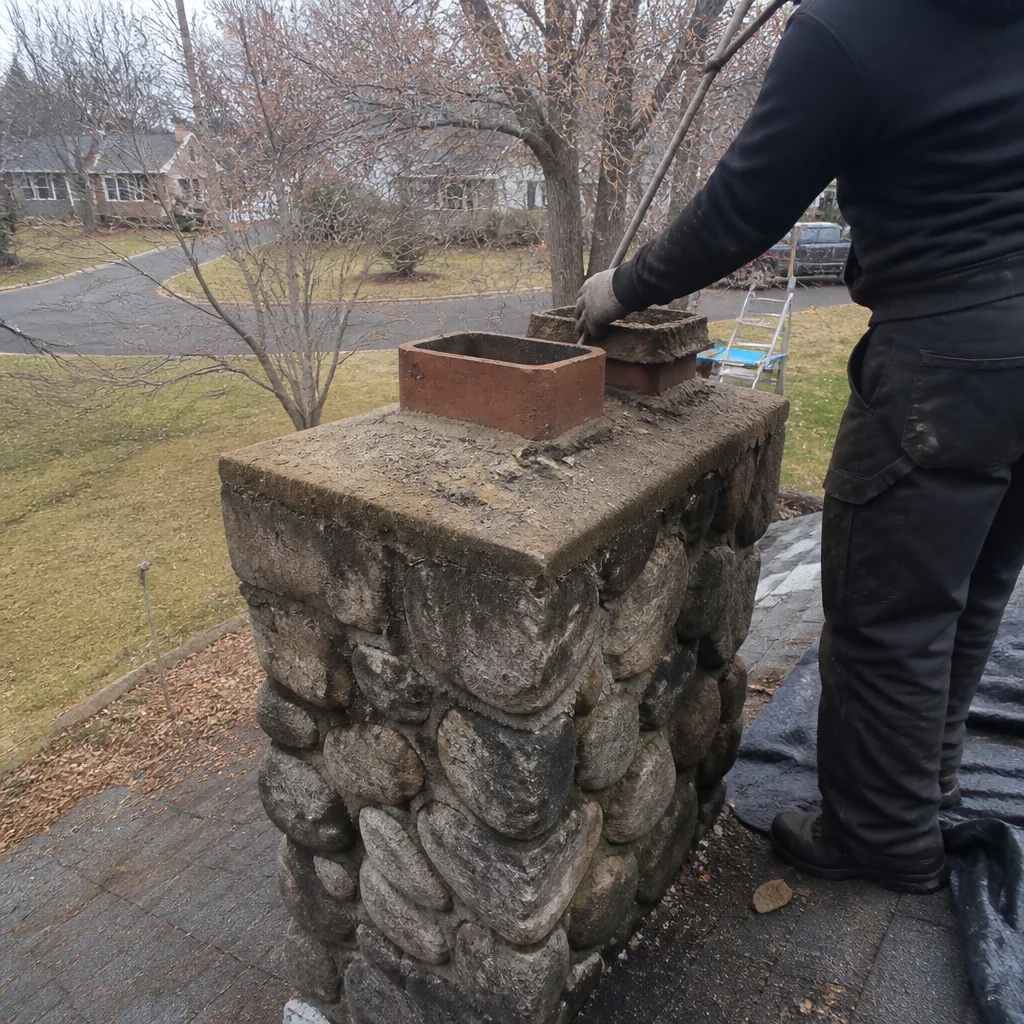 Before
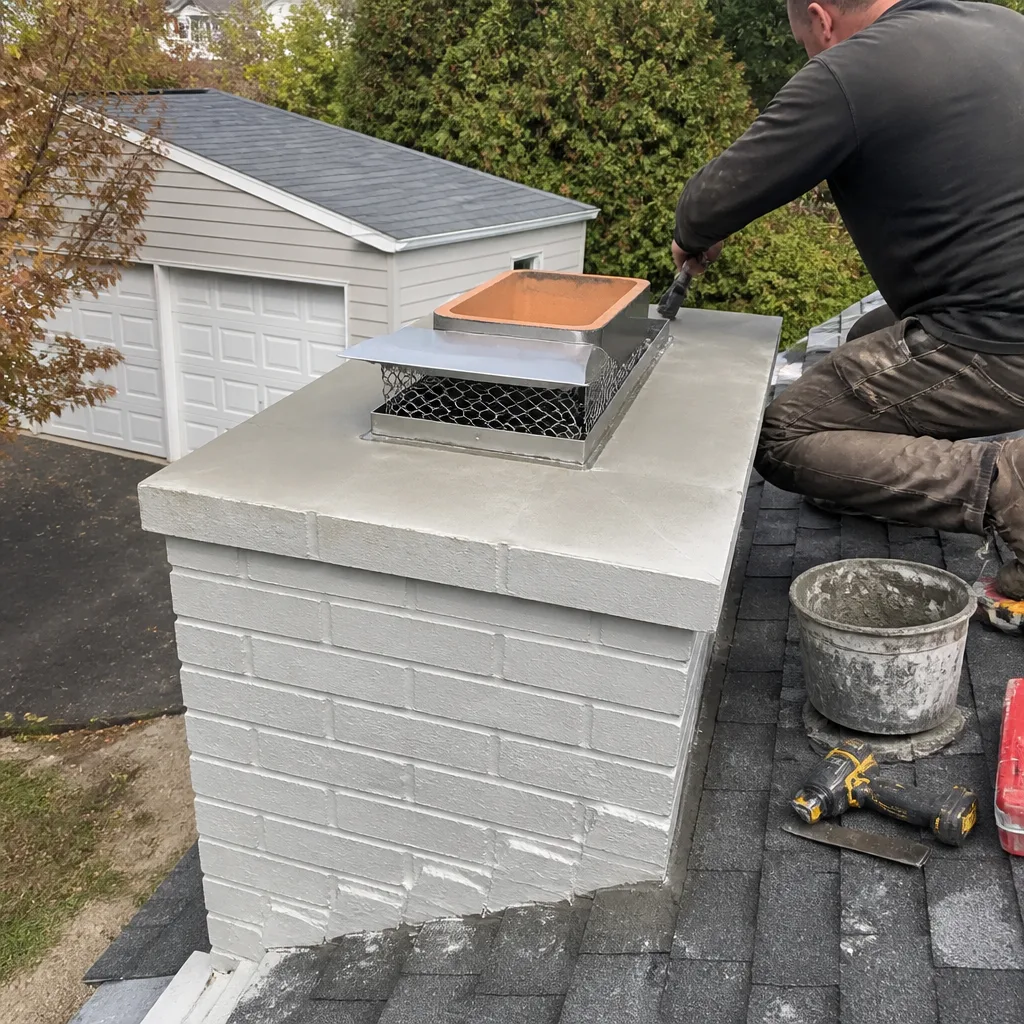 After
After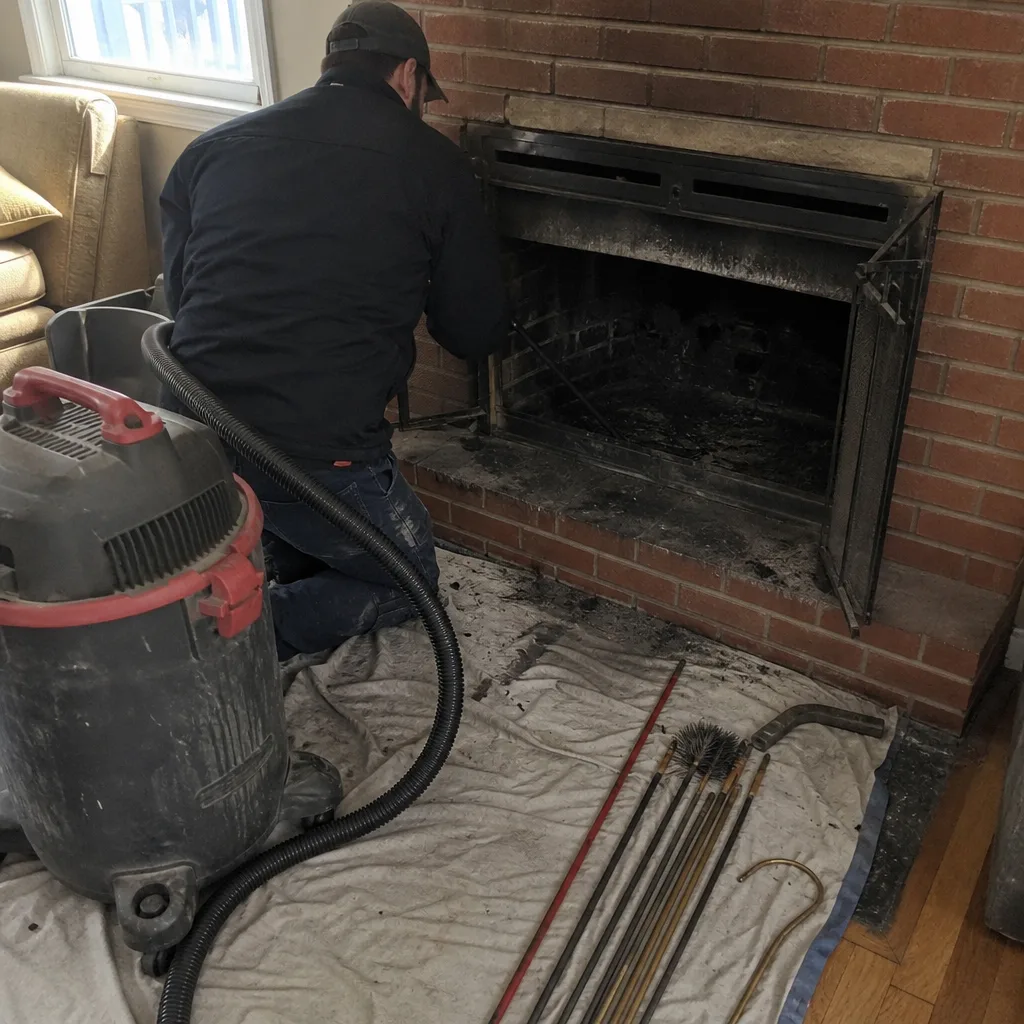 Before
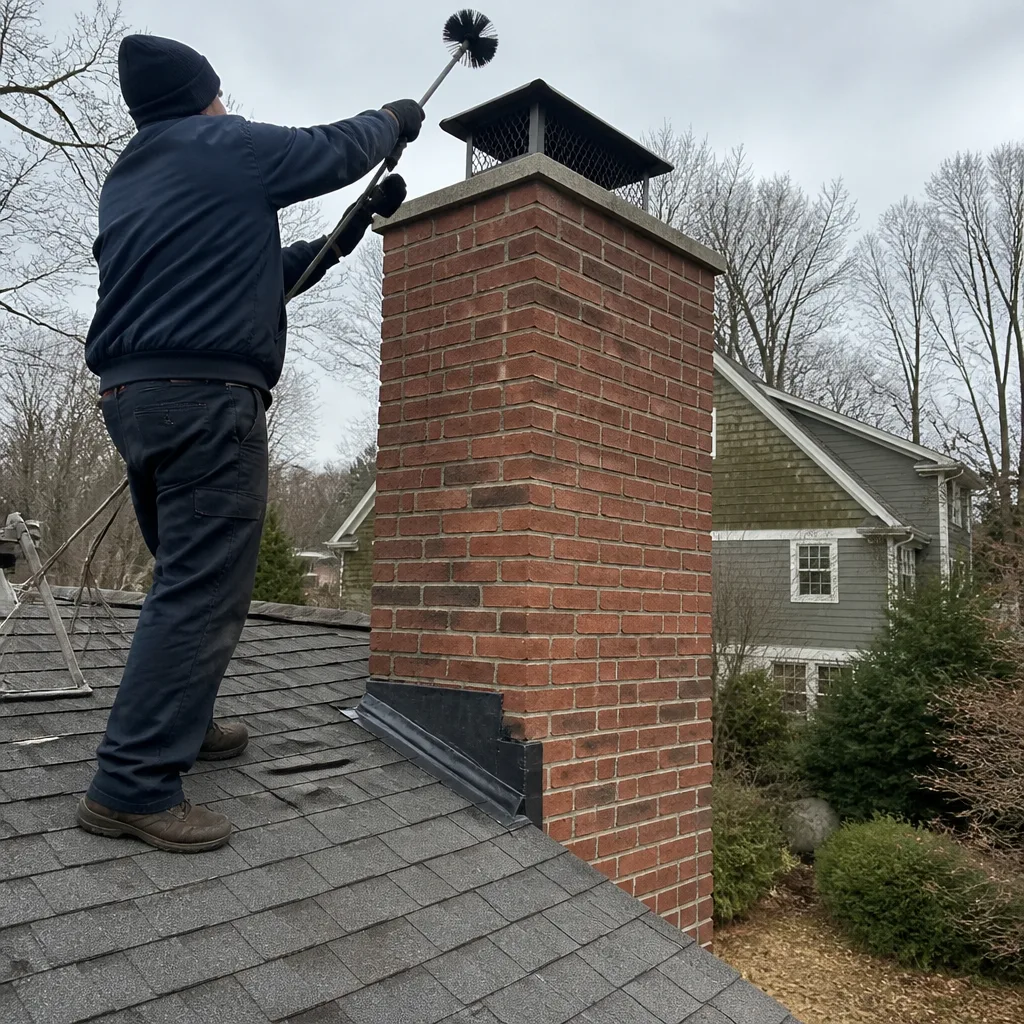 After
After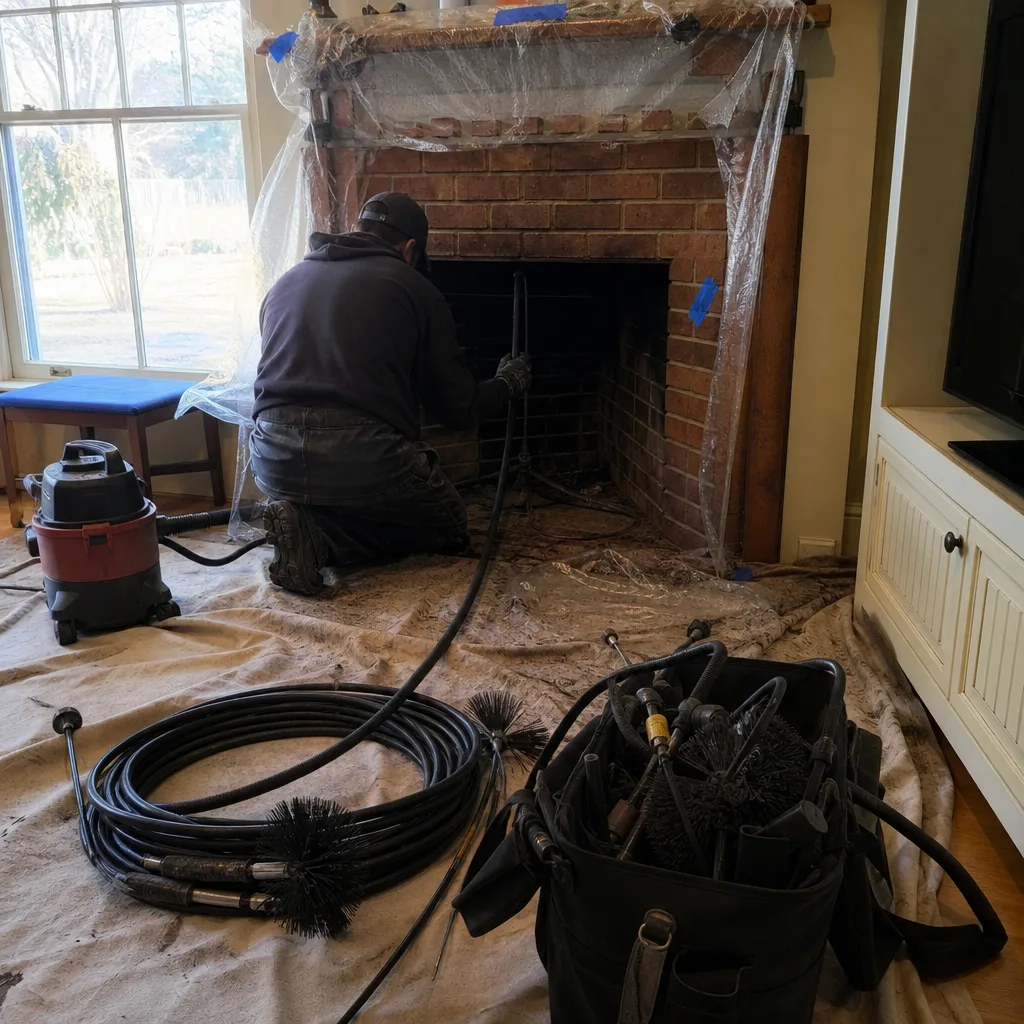 Before
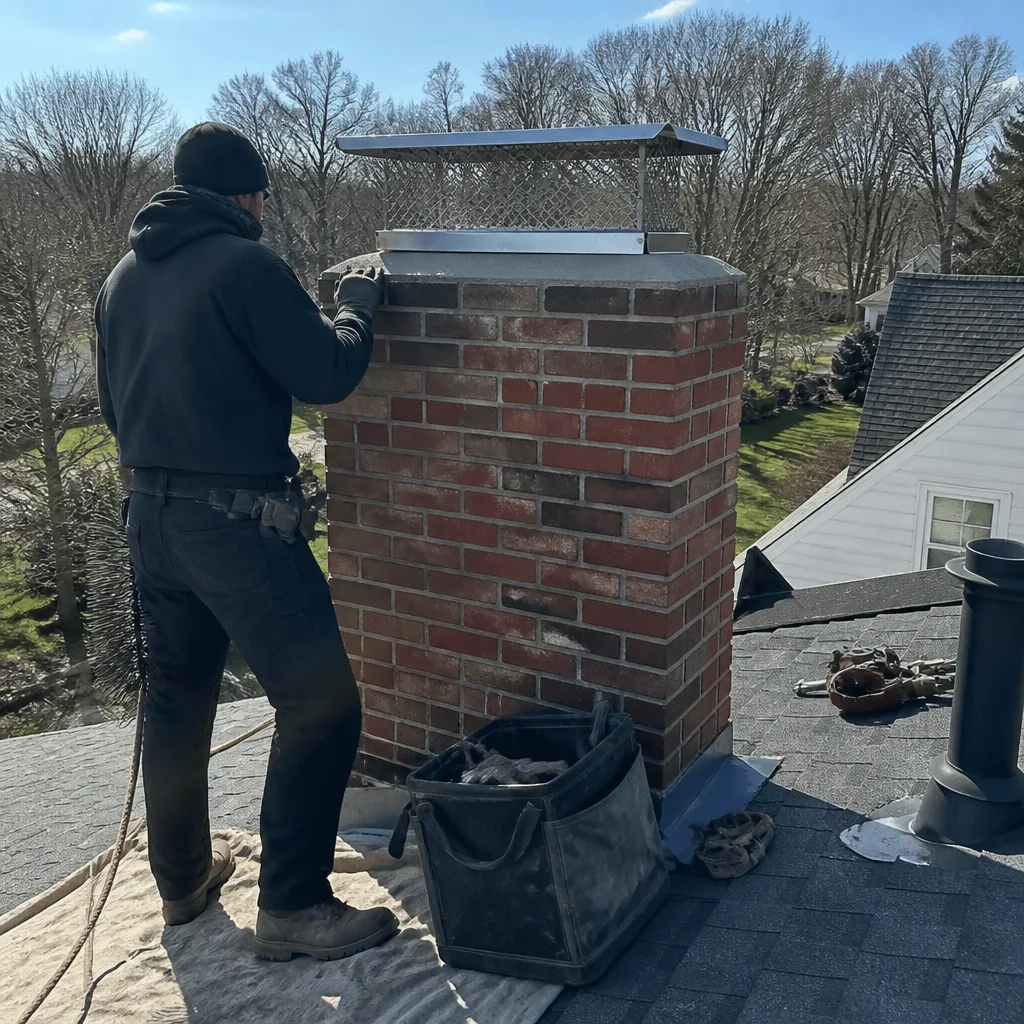 After
AfterChimney Cleaning Warning Signs: A West Hartford Homeowner’s Reference Guide
Most chimney problems don’t announce themselves with smoke pouring into your living room or bricks tumbling onto the lawn. In our 42 years serving West Hartford, we’ve found the real warning signs are quiet: a faint sulfur smell you blame on the gas company, a small dark stain above the fireplace you assume is age, a draft that “just doesn’t work like it used to.” Homeowners who catch these signals early spend a few hundred dollars on a proper sweep and inspection. Those who wait often face liner replacements, masonry rebuilds, or worse - a chimney fire that could have been prevented. This guide names every sign we’ve learned to read, explains what each one actually means, and helps you decide what needs attention now versus what can wait until your next scheduled service. For The Complete Guide to Chimney Cleaning in West Hartford and more guides & resources, visit our blog.
Quick Answer
The most common chimney warning signs West Hartford homeowners should watch for are: smoke entering the room during use, oily or tar-like stains inside the firebox, white or dark exterior staining on bricks, persistent musty or sulfur odors, visible debris or animal activity in the flue, and a draft that has weakened over time. Most of these indicate creosote buildup, moisture intrusion, or structural wear that a Level-2 camera inspection can diagnose precisely. If you notice any of these signs, schedule a professional inspection before the next burning season - not after.
Table of Contents
- Smoke Coming Into the Room: Three Different Causes, Three Different Fixes
- Oily Stains Inside the Firebox: Reading the Creosote Stage
- Reading Exterior Masonry for Water Damage
- Odor Diagnosis: What Your Chimney Is Actually Telling You
- Animal Evidence in the Flue: West Hartford’s Most Common Intruders
- When the Draft Weakens: Pressure Problems vs. Blockage vs. Damage
- Common Mistakes to Avoid
- When to Call a Professional
- Frequently Asked Questions
Smoke Coming Into the Room: Three Different Causes, Three Different Fixes
A fireplace that smokes into the room isn’t just annoying - it’s one of three things, each with a different fix and a different cost. Treating all three the same way is how a $200 cleaning turns into a $4,000 repair.
Cause 1: Negative house pressure. Modern West Hartford homes, especially those built or heavily renovated since the 1990s, are tighter than the drafty colonials and capes common in older neighborhoods like Elmwood or the area near West Hartford Center. Tight construction is excellent for energy bills but can starve a fireplace of combustion air. When your furnace, range hood, and dryer are all running, they pull air out of the house faster than it can leak back in. The path of least resistance becomes your chimney flue - but in reverse. Smoke follows that pressure gradient right into your living room.
The diagnostic clue: smoke enters only when other appliances are running, or only on windy days when exterior pressure changes. The fireplace may have worked fine for years before you added that new range hood or replaced the windows.
The fix: often a dedicated outside air kit, a slight adjustment to how the home is ventilated, or in some cases a top-sealing damper that changes the flue dynamics. Cost typically runs $200-$600. We diagnose this with a simple pressure test during our Level-2 inspection - no guesswork.
Cause 2: Physical blockage. Bird nests, squirrel caches, collapsed liner sections, or heavy creosote deposits can obstruct the flue. In West Hartford, we see this most often in chimneys that haven’t been swept in three or more years, or in homes where a previous owner “never used the fireplace so never maintained it.”
The diagnostic clue: smoke enters consistently, every time you light a fire, regardless of what else is running in the house. You may also notice debris falling into the firebox or a visible restriction when you shine a flashlight up the flue from below.
The fix: a professional sweep and removal of the obstruction, followed by camera inspection to confirm clear passage. If the blockage damaged the liner, repair or replacement with a DuraFlex stainless steel liner may be needed. A standard sweep runs $250-$350 in the West Hartford market; liner work, if needed, typically starts around $1,800.
Cause 3: Damaged smoke chamber or flue. The smoke chamber is the area above the firebox where smoke gathers before entering the narrow flue. If its walls are cracked, improperly parged, or shaped wrong, smoke turbulates instead of rising smoothly. This is especially common in pre-1960s West Hartford homes with original construction.
The diagnostic clue: smoke rolls out of the fireplace opening specifically, not from seams or joints elsewhere. The problem worsens as the fire grows larger. A Level-2 camera inspection reveals chamber damage that a standard sweep from below cannot see.
The fix: smoke chamber parging with HeatShield cerfractory foam, or in severe cases reconstruction. This is the most expensive scenario, running $1,500-$4,000 depending on accessibility and extent. But it’s also the one most commonly misdiagnosed - many homeowners are sold liners or dampers they don’t need because no one looked at the chamber with a camera.
Our approach at Chimney Cleaning & Sweep in West Hartford is to identify which of these three causes applies before recommending any work. Photos you can see, a plain-English verdict. That’s the Keystone Standard.
Oily Stains Inside the Firebox: Reading the Creosote Stage
Homeowners often describe “black shiny stuff” or “tar-like drips” inside their fireplace and assume it’s normal soot. It isn’t. The appearance of creosote tells us its stage, and the stage determines urgency.
Stage 1: Sooty, powdery, easily brushed. This is what a healthy, recently swept chimney looks like. Light gray or black dust that wipes off with a finger. If this is what you’re seeing, you’re on schedule.
Stage 2: Crunchy, porous flakes. Often described as “coffee grounds” or “burnt popcorn.” This indicates regular use without adequate sweeping frequency - typically 1-2 seasons of buildup in a wood-burning fireplace used as primary heat. Still manageable with standard rotary sweeping, but you’re past due.
Stage 3: Shiny, hard, tar-like, or dripping. This is glazed creosote, and it’s the dangerous stage. It forms when smoke cools too quickly in the flue (often from burning unseasoned wood, restricted airflow, or an oversized firebox for the flue diameter). Stage 3 creosote is highly combustible - it ignites at lower temperatures and burns with explosive intensity. The oily stains you see inside the firebox are often drips from above, and they mean the entire flue coating is likely glazed.
In West Hartford, we see Stage 3 most often in two situations: homeowners who burn wood from trees taken down after storms (green or partially seasoned), and owners of older homes with original oversized Rumford-style fireplaces that were never properly adapted to modern flue liners. The West Hartford climate doesn’t help - our cold snaps mean fires burn longer and hotter, but also that chimneys stay cold between burns, accelerating condensation and glaze formation.
Standard brushing won’t remove Stage 3 creosote. It requires chemical treatment to modify the glaze, followed by mechanical removal - a process that takes several hours and must be confirmed with camera inspection. Cost in the West Hartford market typically runs $400-$700, depending on flue length and accessibility. Skipping this and continuing to burn is how chimney fires start. We’ve responded to three in the past five years on Albany Avenue alone, all in homes where the owner “meant to get it swept next year.”
If you see oily stains, don’t guess at the stage. Hearthstone Chimney Co. home - call us for a camera inspection that shows you exactly what you’re dealing with.
Reading Exterior Masonry for Water Damage
Water is a chimney’s enemy, but not all water damage demands immediate action. Learning to read the masonry from the ground - or better, from a ladder at gutter level - lets you distinguish between surface issues and structural threats.
Surface efflorescence: White, powdery deposits on brick faces. This is salt migration from moisture passing through the masonry and evaporating. In West Hartford, we see this frequently after wet winters and spring thaws, especially on north-facing chimneys that stay shaded and damp. It’s unsightly but not structurally urgent. The underlying cause is usually a missing or failing chimney cap, or deteriorated crown wash. A Gelco stainless steel cap and crown sealing typically resolves it. Cost: $300-$600.
Spalling: Brick faces flake, pop, or crumble. You may find fragments in the yard or gutter below. This happens when moisture penetrates the brick, freezes, and expands - a cycle West Hartford’s freeze-thaw climate accelerates. Spalling is active damage. Each cycle removes more material, and once the hard-fired face is gone, the softer interior erodes rapidly. Spalling bricks need replacement, and the source of water entry must be found and stopped. Left alone, spalling leads to structural compromise requiring partial or full rebuild.
Active deterioration: Missing bricks, visible gaps in mortar joints wider than a quarter-inch, or a chimney that leans visibly. This is “call this week” territory. In 2023 we rebuilt a chimney on Mountain Road where the homeowner had watched it lean for two seasons, assuming “they built them to last.” The freeze-thaw cycles of two West Hartford winters had destroyed the lateral stability. What would have been a $2,500 crown and upper-course repair became an $8,000 rebuild with scaffolding.
Here’s how to inspect safely from the ground:
- Stand at the street or driveway and sight along the chimney’s vertical lines. Any lean, even slight, is significant.
- With binoculars, examine the crown (the concrete slab at the top). Hairline cracks are normal; gaps wider than a pencil eraser, or missing chunks, need sealing or replacement.
- Check mortar joints between bricks. Erosion more than half an inch deep, or joints you can scratch out with a house key, indicate repointing is needed.
- Look for dark staining below the crown or around the flashing where the chimney meets the roof. This indicates chronic water entry.
- Note any vegetation growing from joints - roots hold moisture and accelerate decay.
Our Chimney Repair in West Hartford includes full masonry assessment with photo documentation. We tell you plainly what can wait a season and what can’t.
Odor Diagnosis: What Your Chimney Is Actually Telling You
Smells from a fireplace or chimney are never “just how old houses are.” They’re specific diagnostics, and confusing them leads to wrong fixes and wasted money.
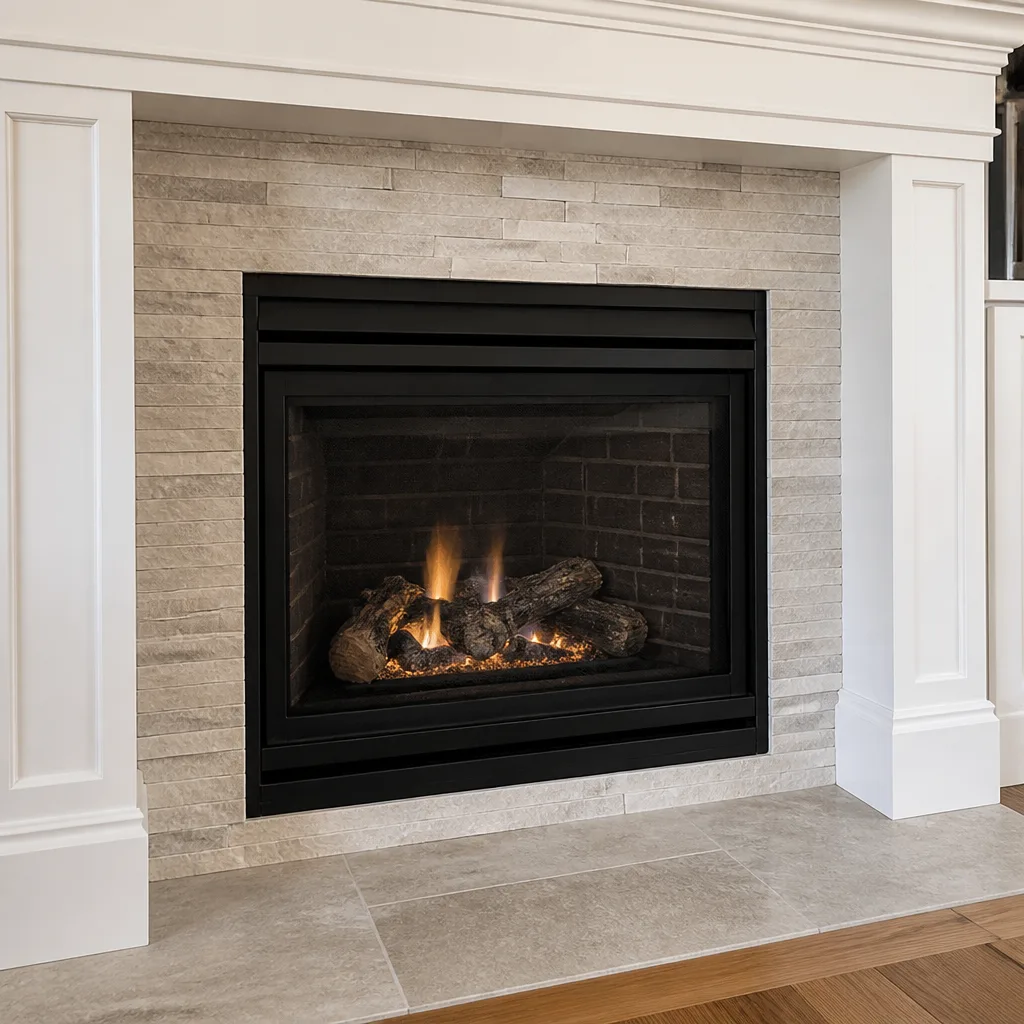
Sulfur or burning plastic smell from a gas fireplace: This is an emergency. Natural gas is odorless; the sulfur smell is an additive for leak detection. If you smell it from a gas fireplace or its chimney, shut off the gas at the appliance valve if you can do so safely, evacuate, and call the gas company and a chimney professional from outside the house. Do not operate the fireplace. This smell indicates incomplete combustion, a gas leak in the firebox supply, or - in direct-vent systems - a compromised vent terminal that’s pulling exhaust back into the home. Carbon monoxide risk is present and serious. We’ve seen this in West Hartford homes with improperly converted vent-free logs in fireplaces never designed for them, and in aging direct-vent units with failed gaskets.
Musty, damp smell from a wood-burning firebox, especially in summer: This is water intrusion, often combined with organic debris. The smell intensifies on humid days. Check for a missing or rusted cap, cracked crown, or failed flashing. Sometimes the cause is simpler: the damper was left open during a rainstorm, or the chimney lacks a cap entirely and has become a vertical drain. A musty smell without visible water may also indicate creosote saturation - the tarry deposits hold moisture and develop a distinct mildew-like odor. Camera inspection distinguishes between water damage and creosote issues.
Ashy, smoky smell when the fireplace is not in use: This usually means your damper doesn’t seal fully, or you have no damper at all (common in very old West Hartford homes). Warm air from your house rises up the flue, carrying old ash and soot odors back down on reverse drafts. A top-sealing damper, often paired with a new cap, solves this cleanly. We install Olympia Chimney dampers that seal with a silicone gasket - far tighter than old throat dampers ever achieved.
Dead animal or fecal smell: See the next section. This is both a nuisance and a code violation if the animal has obstructed the flue.
The key distinction: sulfur from gas demands immediate action for safety; musty or ashy smells demand investigation for cause; any smell that worsens with weather changes points to water entry. We document odor sources with camera inspection - the photo report shows you exactly what we found and where.
Animal Evidence in the Flue: West Hartford’s Most Common Intruders
Animal entry into chimneys is not a nuisance problem. It’s a safety and code compliance problem, and in West Hartford, it’s more common than homeowners realize.
Species we encounter most:
- Chimney swifts: Small, cigar-shaped birds that nest inside flues. They’re federally protected under the Migratory Bird Treaty Act - removal of active nests is illegal. However, their nests are highly flammable and reduce flue diameter. The proper approach: wait for nesting season to end (typically August), then install a cap with mesh screening to prevent return. We use Famco caps with 5/8-inch stainless mesh - small enough to exclude swifts, large enough to maintain draft.
- Squirrels (gray and red): Active year-round, but most aggressive nest-builders in late winter before birthing. Squirrel nests block flues completely and are constructed of highly combustible materials - leaves, twigs, shredded insulation, sometimes stolen fabric. We’ve found nests that reduced a 12×12 flue to a 3-inch passage. Squirrels also chew liner materials, especially older clay tile. A squirrel nest with young cannot be legally removed in Connecticut during birthing season (roughly March-July) without wildlife specialist involvement.
- Raccoons: Less common but most destructive. They enter through damaged crowns or missing caps and can displace dampers to access the firebox. Raccoon latrines in chimneys create serious health hazards from roundworm spores. This requires professional remediation, not DIY removal.
- Bats: Often found in exterior masonry gaps rather than the flue itself, but their guano accumulates and corrodes mortar. Bat exclusion must comply with Connecticut DEEP guidelines for timing and methods.
Signs of animal presence:
- Chittering, scratching, or fluttering sounds, especially at dawn or dusk.
- Nest debris (twigs, leaves, feathers) visible in the firebox or falling from the damper area.
- Unexplained soot disturbance - footprints in ash, displaced firebox materials.
- Strong ammonia or fecal odors, especially in summer heat.
- Visible animal entry at the crown, or gaps in screening larger than 3/4 inch.
Connecticut building code and NFPA 211 require chimneys to be “free of obstructions and combustible deposits” before use. An animal nest makes the chimney legally non-compliant and voids most homeowners insurance coverage for fire damage from that appliance. This isn’t about being overly cautious - it’s about documented requirements that affect your coverage.
Our process: humane assessment, species identification, documentation for insurance if needed, removal in compliance with wildlife regulations, and exclusion with proper capping. Most jobs complete in a single visit. The 90-Day Done Right Promise applies - if the animal returns through our exclusion, we come back. In writing, no arguing.
When the Draft Weakens: Pressure Problems vs. Blockage vs. Damage
A fireplace that “used to draw fine” but now sends smoke into the room, or requires the door to be cracked open to function, has a deteriorating draft. The cause determines whether you’re looking at a minor adjustment or major repair.
Pressure problems develop gradually as homes are modified. New windows, added insulation, kitchen exhaust upgrades, and even whole-house fans change the air balance. In West Hartford’s older neighborhoods, we’ve seen 1920s colonials that drew perfectly for ninety years become problematic after a single energy audit and air-sealing project. The chimney didn’t change; the house did.
Diagnostic test: open a nearby window slightly. If draft improves immediately, negative pressure is likely the cause. This is the only scenario where a window should need to be open for a fireplace to function.
Blockage from creosote, nests, or debris restricts flue diameter. Draft weakens progressively as blockage builds, or suddenly if a nest or collapse occurs. A flashlight inspection from below may reveal obvious restriction; camera inspection confirms it.
Diagnostic test: the weakening is gradual over seasons for creosote, sudden for physical blockage. Smoke backs up consistently, not intermittently.
Structural damage to the flue liner, smoke chamber, or chimney exterior changes the physics of draft. A cracked clay tile liner may have shifted, creating a ledge that traps smoke. A deteriorated smoke chamber may have lost its smooth funnel shape. In extreme cases, a chimney that has settled or leaned changes the flue path from vertical to angled.
Diagnostic test: draft problems persist regardless of house pressure or weather, and often worsen with fire size. Camera inspection reveals liner cracks, chamber damage, or flue misalignment.
West Hartford’s freeze-thaw cycles accelerate liner damage in unlined or partially lined chimneys. We’ve replaced more liners in homes near Fern Street and the Buena Vista area than anywhere else in our service territory - the combination of age, original clay construction, and aggressive weather takes its toll. A HeatShield cerfractory flue resurfacing can restore a sound but cracked clay liner without full replacement; severely damaged liners need a DuraFlex stainless steel liner installed to current code.
Cost guidance for draft-related work in the West Hartford market:
- Pressure diagnosis and mitigation: $200-$600
- Standard sweep for creosote blockage: $250-$350
- Nest/debris removal with inspection: $300-$500
- Smoke chamber parging: $1,500-$2,500
- HeatShield flue resurfacing: $2,000-$3,500
- DuraFlex stainless steel liner installation: $2,500-$5,000 depending on height and diameter
We don’t guess which you need. Our Level-2 inspection produces photos you can see and a plain-English verdict with line-item pricing before any work begins.
Common Mistakes to Avoid
- Assuming a gas fireplace needs no chimney maintenance. Gas appliances produce corrosive condensation and can obstruct vents with debris. Annual inspection is required by NFPA 211, same as wood-burning systems. We’ve found blocked direct-vent terminals that were creating carbon monoxide risk - the homeowner assumed “gas is clean.”
- Using the fireplace “just once” before sweeping. One fire with Stage 2 or 3 creosote can ignite it. Chimney fires don’t require habitual use - they require the wrong conditions once. In West Hartford, we see this every October: the first cold snap, the ceremonial first fire, the emergency call.
- Hiring based on the lowest sweep price alone. A $99 sweep that doesn’t include camera inspection, doesn’t document findings, and doesn’t verify clear passage is not a bargain. It’s a guess. We’ve been called to repair damage from sweeps that pushed debris into hidden recesses or missed a cracked liner entirely.
- Ignoring West Hartford’s specific freeze-thaw stress. Our climate produces more masonry damage than coastal Connecticut or sheltered valley locations. A chimney that looks fine in September can show new spalling by April. Inspect exterior masonry every spring, not every few years.
- DIY animal removal. Beyond the legal protections for chimney swifts and nesting squirrels, there’s genuine danger: raccoons carry rabies, bat guano requires respirator protection, and a frightened animal in a confined flue can injure itself and complicate removal. This is not a homeowner task.
- Delaying after noticing warning signs. The gap between “I should call someone” and “the chimney caught fire” is often one season. Creosote doesn’t improve with time, and water damage accelerates. Our schedule fills every September and October; calling in August means your choice of appointment times.
- Accepting a repair recommendation without photo evidence. This is how unnecessary liner sales happen. Any professional making a structural or liner claim should show you the damage on camera, explain what you’re seeing, and give you time to decide. At Hearthstone, nothing is recommended without photos you can see. A square deal: no surprises on the bill.
When to Call a Professional
Call a chimney professional when you observe any of the warning signs detailed in this guide: smoke entering the room, oily or tar-like deposits, exterior masonry changes, persistent odors, animal sounds or debris, or a draft that has weakened without explanation. Also call before purchasing a home with a fireplace you haven’t personally inspected, and after any chimney fire - even one that seemed minor.
In West Hartford, Hearthstone Chimney Co. offers free estimates - call (860) 743-1516. A live person answers every call, 24 hours a day, 7 days a week. We’ll schedule a Level-2 camera inspection at your convenience, provide photos and a plain-English verdict, and give you upfront pricing with no pressure. Most jobs complete in a single visit. Our 90-Day Done Right Promise means if it’s not right, we come back. In writing, no arguing. We’ve been serving local communities for over 42 years, and we plan to be here when your grandchildren own their first homes.
Frequently Asked Questions
A standard chimney sweep in West Hartford typically costs between $250 and $350 for a single flue, including a basic visual inspection. A Level-2 camera inspection, which we recommend for any home with warning signs or unknown maintenance history, runs $300-$450 and includes photo documentation of the flue interior, smoke chamber, and accessible exterior portions. Call (860) 743-1516 for an exact quote - estimates are free.
It depends on the damage type and extent, which is why camera inspection matters. Cracked but structurally sound clay tile liners can often be resurfaced with HeatShield cerfractory foam, preserving the original construction at lower cost. Missing tiles, severe cracking, or liners in unlined chimneys typically need a DuraFlex stainless steel liner installed to current NFPA 211 standards. We show you the camera footage and explain both options when both apply. Nothing is recommended without photo evidence you can see for yourself.
NFPA 211 recommends annual inspection for all chimney systems, with sweeping frequency determined by use and fuel type. A wood-burning fireplace used as supplemental heat through a typical West Hartford winter (roughly October through March) should be swept annually. Gas fireplaces need annual inspection though they typically produce minimal deposit. Oil and pellet systems have their own schedules based on manufacturer specifications. The specific interval for your system depends on what our inspection finds - we document this in your photo report.
Skipped maintenance leads to creosote accumulation, which increases chimney fire risk and can produce carbon monoxide hazards from blocked or damaged flues. Water intrusion from uncapped or deteriorated chimneys causes structural damage that becomes exponentially more expensive - a $400 cap installation prevents a $4,000 rebuild. In West Hartford’s climate, freeze-thaw damage accelerates rapidly; we’ve seen masonry deteriorate from surface staining to active spalling in a single winter. Insurance may deny claims for fire damage from unmaintained systems. Call (860) 743-1516 to schedule before burning season.
Summer humidity activates odors from creosote deposits and water intrusion. Warm, moist air rises through the house, carrying chimney odors down on reverse drafts when the air conditioning creates negative pressure. The smell is worse in summer because the odor molecules are more volatile at higher temperatures and humidity. A top-sealing damper and proper capping usually resolve this, along with addressing any creosote buildup or water entry sources.
No. An animal nest is a flue obstruction, and operating the fireplace with any obstruction violates NFPA 211 and likely your insurance terms. Beyond the fire hazard, smoke and heat can kill trapped animals, creating additional blockage and odor problems. In Connecticut, some species are legally protected during nesting season. Call a professional for humane assessment and compliant removal. Hearthstone Chimney Co. handles species identification, legal compliance, and exclusion - most jobs complete in a single visit.
The Bottom Line
Chimney warning signs are quiet by nature - a faint smell, a small stain, a draft that’s “not what it used to be.” The homeowners who avoid emergencies are the ones who learn to read these signals and act before the next burning season. In West Hartford’s demanding climate, with freeze-thaw cycles that accelerate wear and a housing stock that spans three centuries of construction methods, professional camera inspection is the only way to know what you’re actually dealing with. Get the inspection, see the photos, understand the verdict. Then decide on your timeline with real information. Done right - and we stand behind it.
Written by Russell Haines, Owner at Hearthstone Chimney Co., serving West Hartford since 2014.