
Last updated September 10, 2026
Level 1 sweep and inspection to the NFPA 211 annual standard - flue, crown, cap, and flashing checked and photographed
Chimney sweep logs do not sweep chimneys. They loosen some creosote - which then falls where a brush and vacuum still have to collect it.
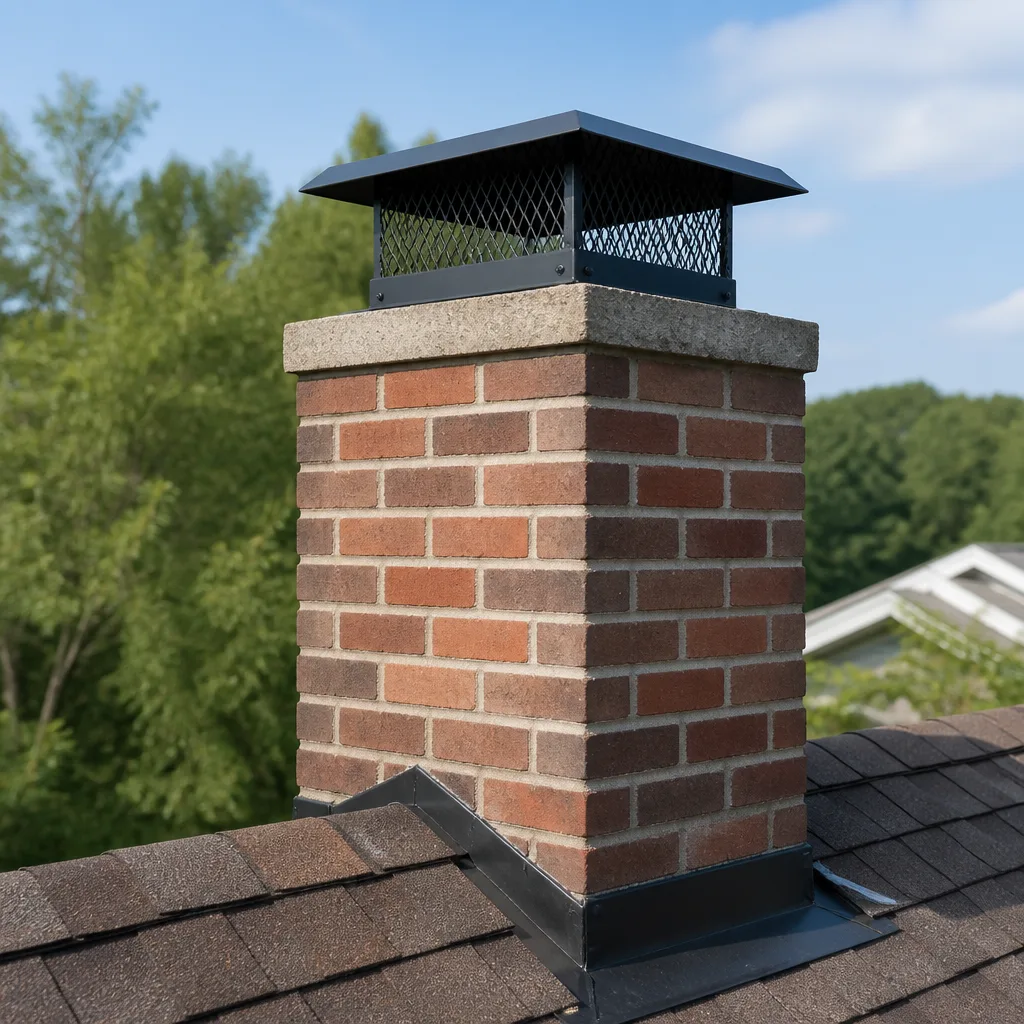
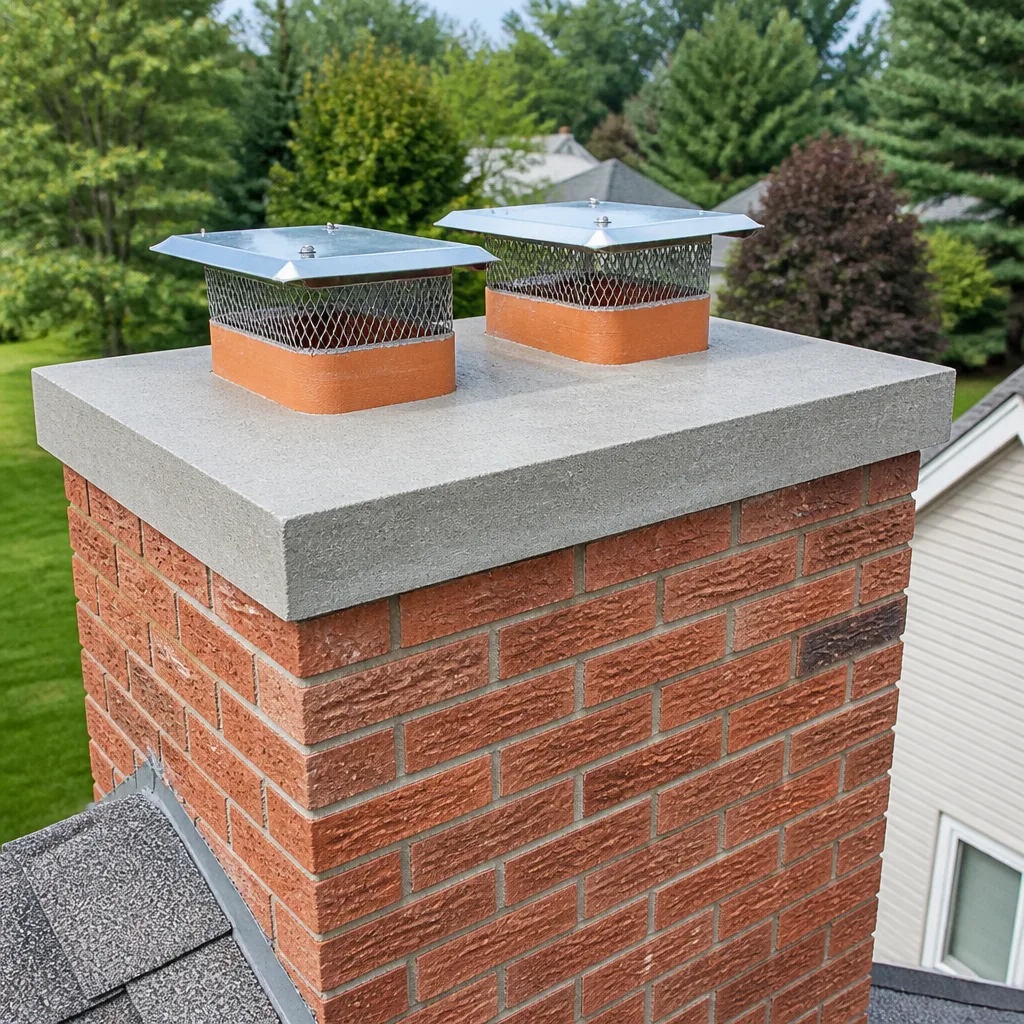
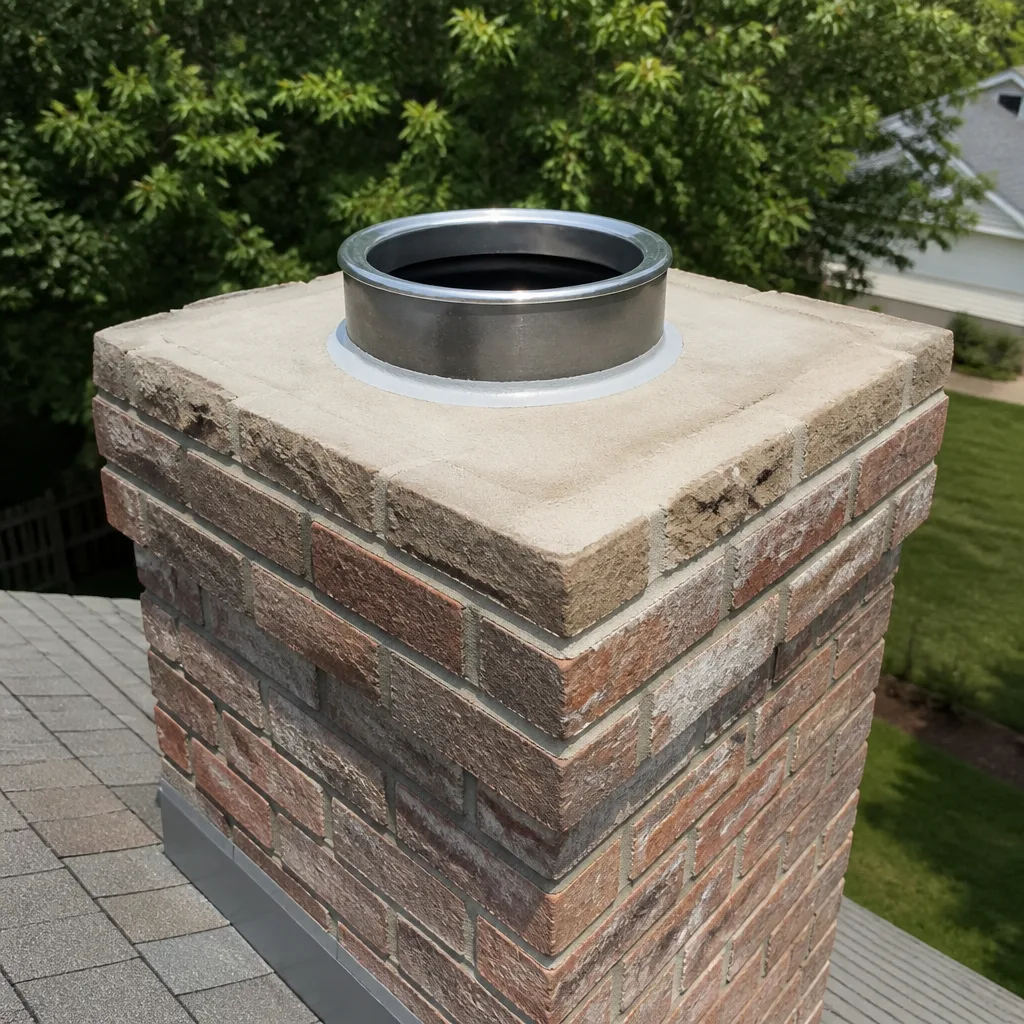
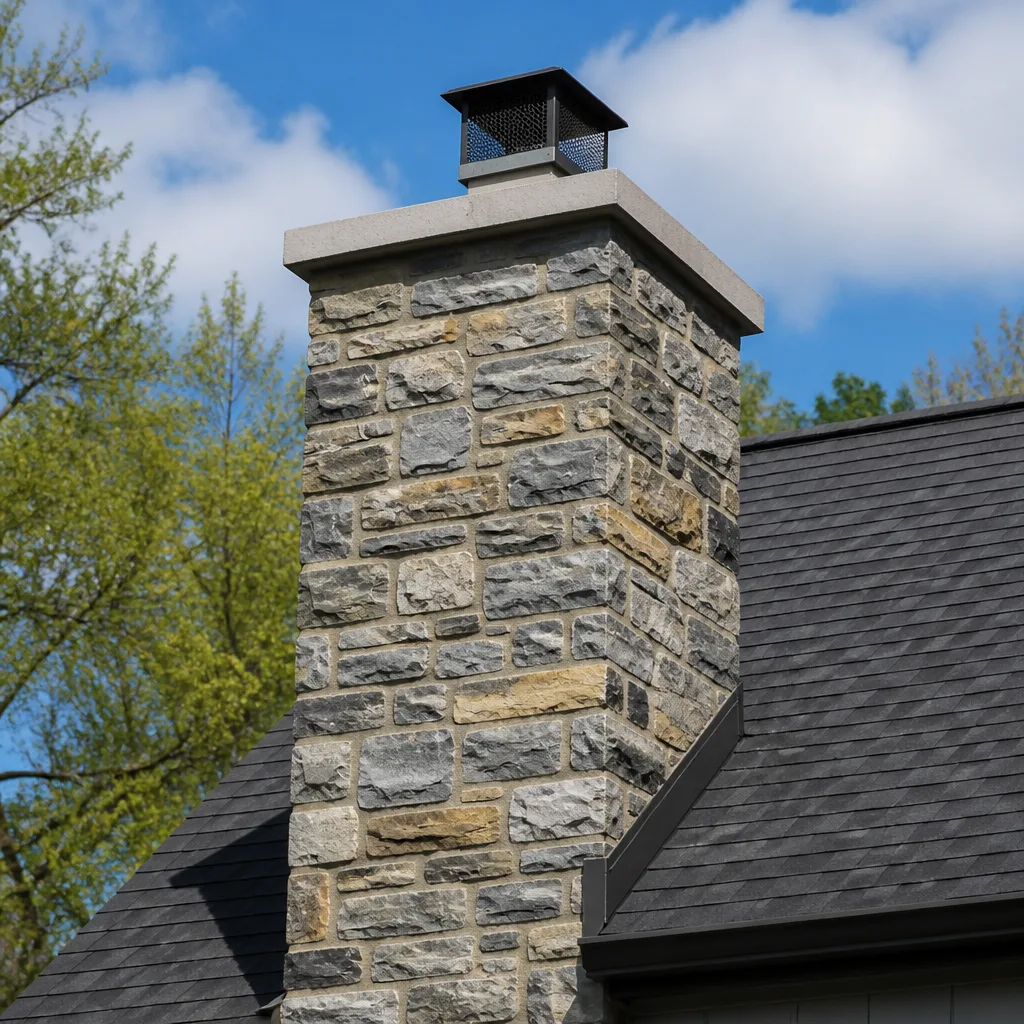
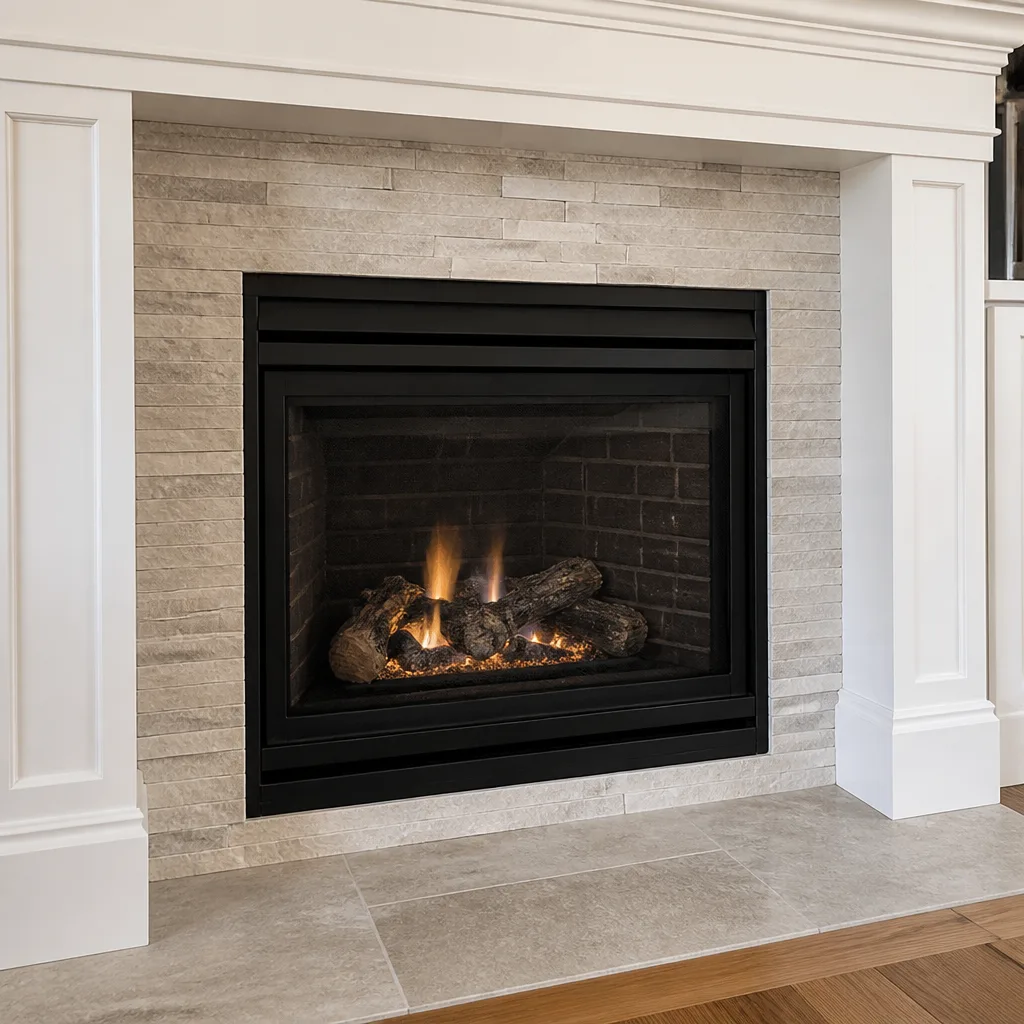
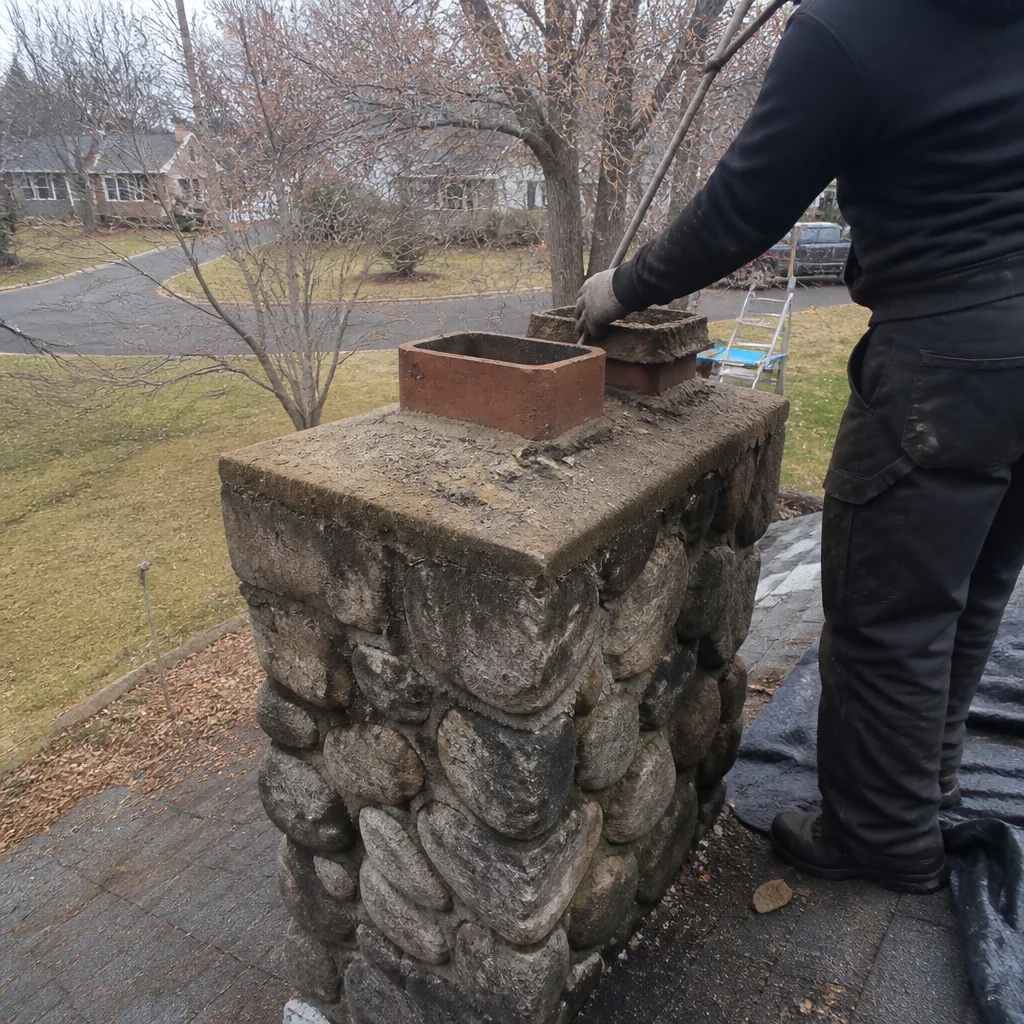 Before
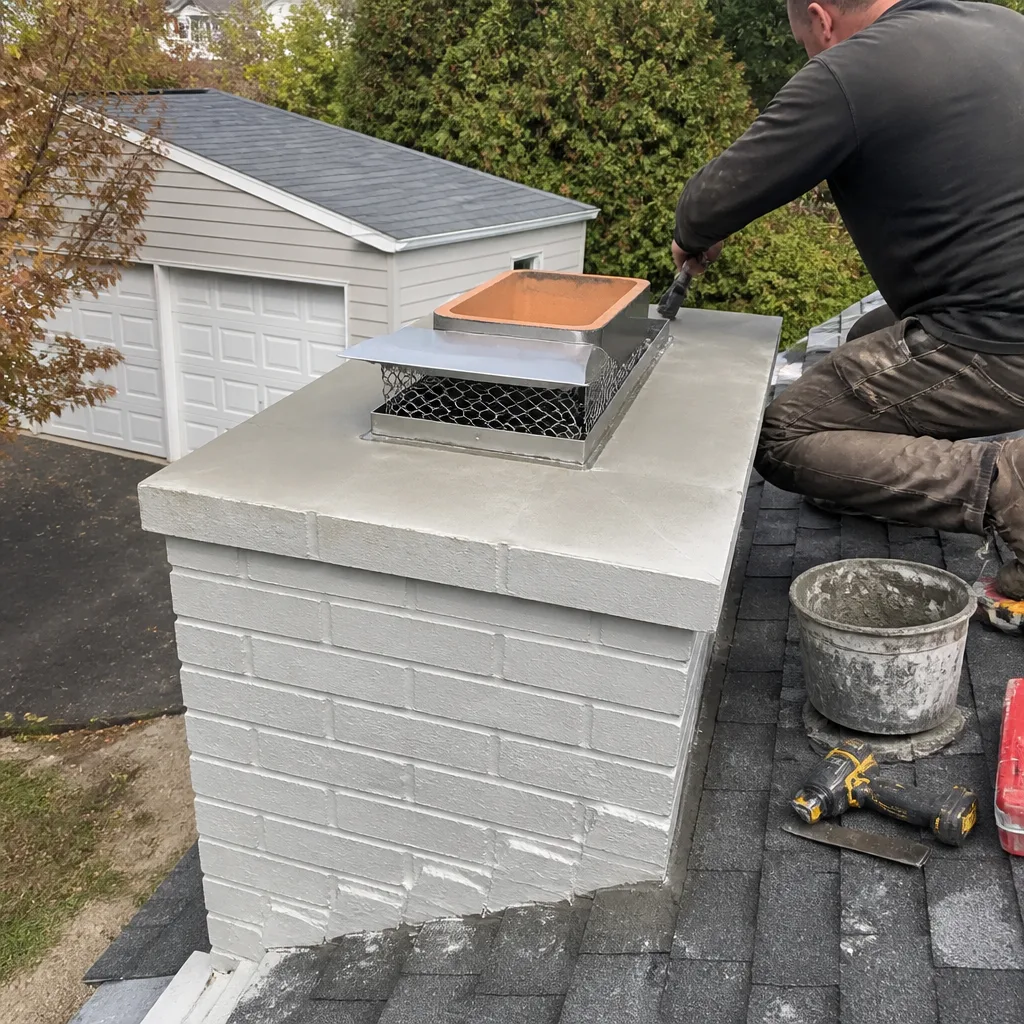 After
After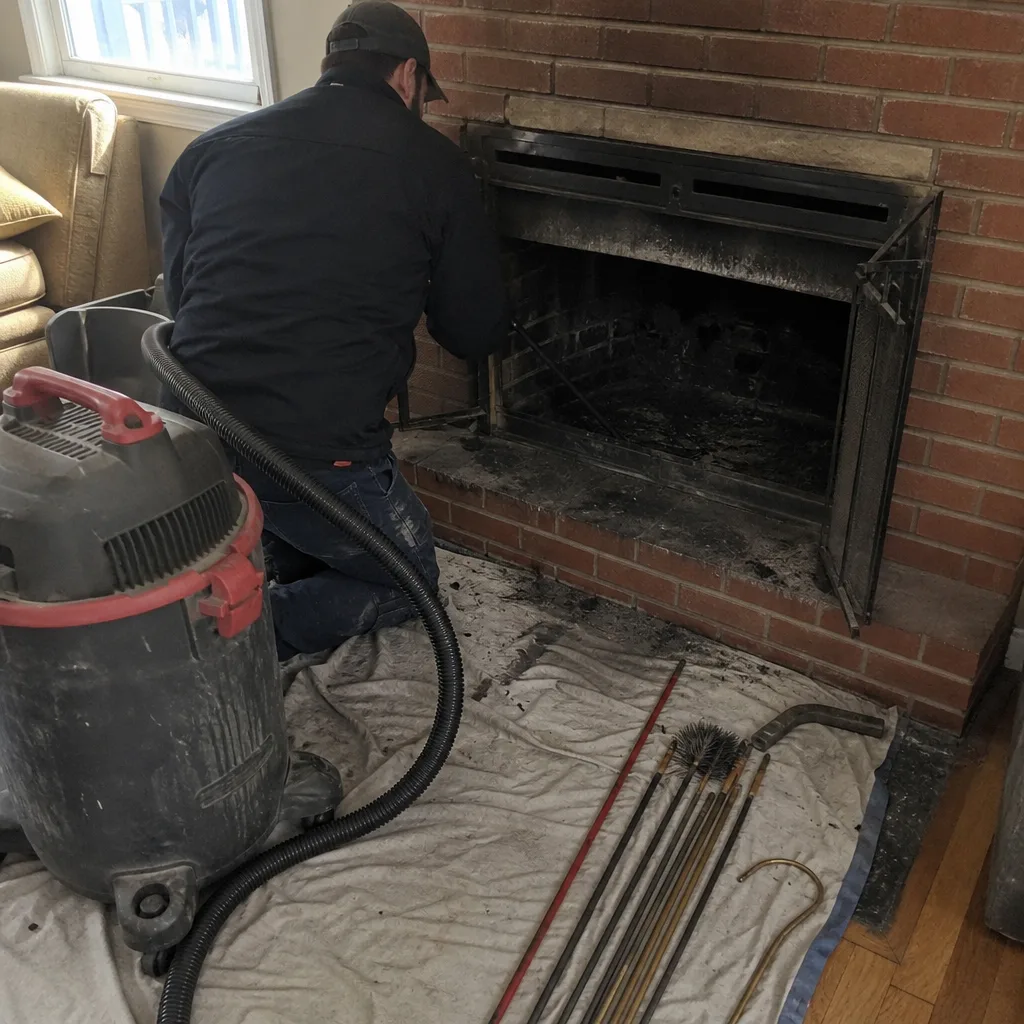 Before
 After
After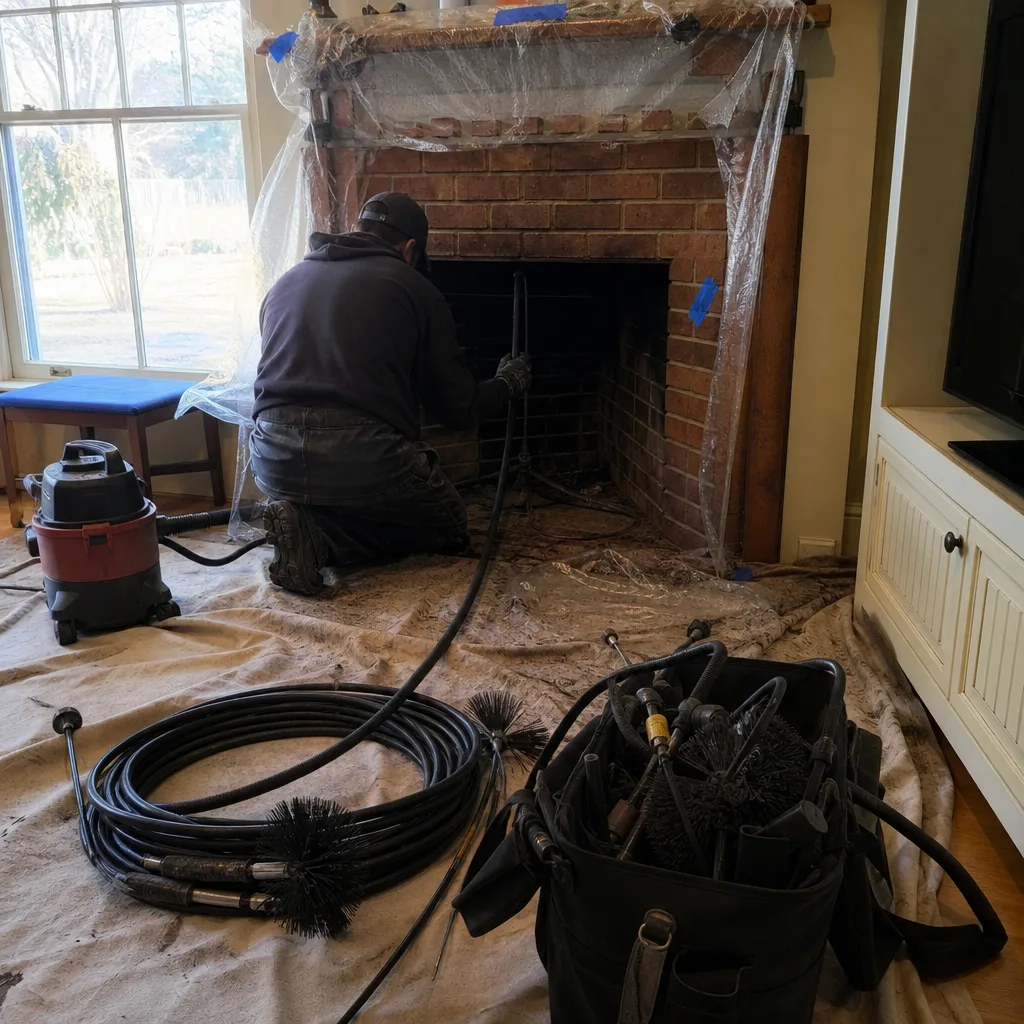 Before
 After
AfterThe Complete Guide to Chimney Cleaning in West Hartford
Most chimney fires aren’t dramatic. In Connecticut, the majority start slowly, burn inside the flue liner at temperatures that warp steel and crack tile, and get discovered only when the next inspector photographs the damage - sometimes years later. West Hartford’s particular mix of pre-1960 masonry, dense oak canopy, and winters that swing from wet freeze to dry cold creates creosote conditions that generic cleaning advice simply doesn’t account for. This guide maps what a thorough chimney cleaning actually involves for the homes, fuel types, and weather patterns that West Hartford homeowners live with.
Quick Answer
A professional chimney cleaning in West Hartford, CT typically costs $189-$349 for a standard Level 1 sweep with inspection, and should be performed annually for wood-burning fireplaces, every 1-2 years for gas inserts, and annually for oil-fired heating systems - though some homeowners weigh DIY vs professional chimney cleaning: the West Hartford homeowner’s decision guide before booking. The process involves a visual inspection, mechanical brushing of the flue, debris removal, and photo documentation of any defects - with the specific approach varying significantly based on whether your home has original terracotta liners, a stainless steel insert, or a direct-vent gas system.
Table of Contents
- Why West Hartford Chimneys Are Different
- What Happens During a Professional Cleaning
- Inspection Levels Explained: Level 1, Level 2, and Level 3
- Fuel Type Matters: Wood, Gas, and Oil Systems
- Photo Documentation: What You Should Receive
- Costs and Timing in the West Hartford Market
- When to Schedule: Seasonal Timing for Connecticut
- Common Mistakes to Avoid
- When to Call a Professional
- Frequently Asked Questions
- The Bottom Line
Why West Hartford Chimneys Are Different
West Hartford’s housing stock tells a specific story. The majority of homes in neighborhoods like Elmwood, Park Road, and the area surrounding West Hartford Center were built between 1920 and 1960, with construction methods that predate modern chimney standards by decades. These aren’t abstract historical details - they directly determine what a cleaning technician encounters and how thoroughly the job must be done.
Original terracotta flue liners. Many West Hartford homes still contain the original clay flue tiles installed when the house was built. These 9″ by 13″ or 8″ by 12″ terracotta liners were never designed for the sustained high temperatures of modern airtight wood stoves or the acidic condensate from today’s efficient gas appliances. After 60-100 years of thermal cycling, the mortar joints between tiles degrade. A cleaning brush that works fine in a new stainless steel liner can snag, chip, or dislodge a compromised clay tile. In our experience, roughly one in three West Hartford inspections reveals at least one cracked or spalled terracotta liner segment that the homeowner was unaware of.
Masonry mass and moisture dynamics. The thick brick walls that make these homes durable also make them slow to dry. Connecticut’s humidity - particularly the heavy, wet air of late summer and the freeze-thaw cycles of March - drives moisture deep into chimney masonry. When that moisture meets acidic flue gases, it accelerates deterioration of both mortar and liner. A cleaning in West Hartford isn’t just about removing soot; it’s about identifying where moisture has compromised the system before the next heating season begins.
The oak factor. West Hartford’s mature tree canopy is dominated by white oak, red oak, and hickory. Homeowners who burn seasoned hardwood from local tree services often assume they’re doing everything right. They are, mostly. But oak’s high energy density also means higher flue gas temperatures and more complex creosote chemistry. The glazed, tar-like third-stage creosote we encounter in West Hartford flues - particularly in homes near Buena Vista or the wooded sections of Mountain Road - is harder and more adhesive than the powdery first-stage creosote typical of softwood burning. It requires more aggressive mechanical cleaning and, in some cases, chemical treatment to fully remove.
Local code context. West Hartford follows the Connecticut State Building Code, which adopts the International Residential Code with amendments. For chimney work, this means compliance with NFPA 211 standards is not optional - it’s the legal baseline. Any contractor who tells you a “basic sweep” doesn’t need inspection documentation is operating outside the standard that Connecticut home inspectors and insurance adjusters apply when claims arise.
What Happens During a Professional Cleaning
A proper chimney cleaning follows a sequence that protects your home, documents conditions, and leaves the system ready for safe operation. Here’s what the process actually looks like when done correctly in a West Hartford home:
- Pre-work inspection and protection. The technician covers floors and furniture near the work area, inspects the accessible portions of the appliance and chimney exterior, and notes any obvious defects before work begins. In West Hartford’s older homes, this includes checking for deteriorated crown wash, missing or damaged chimney caps, and evidence of water staining on interior chimney faces.
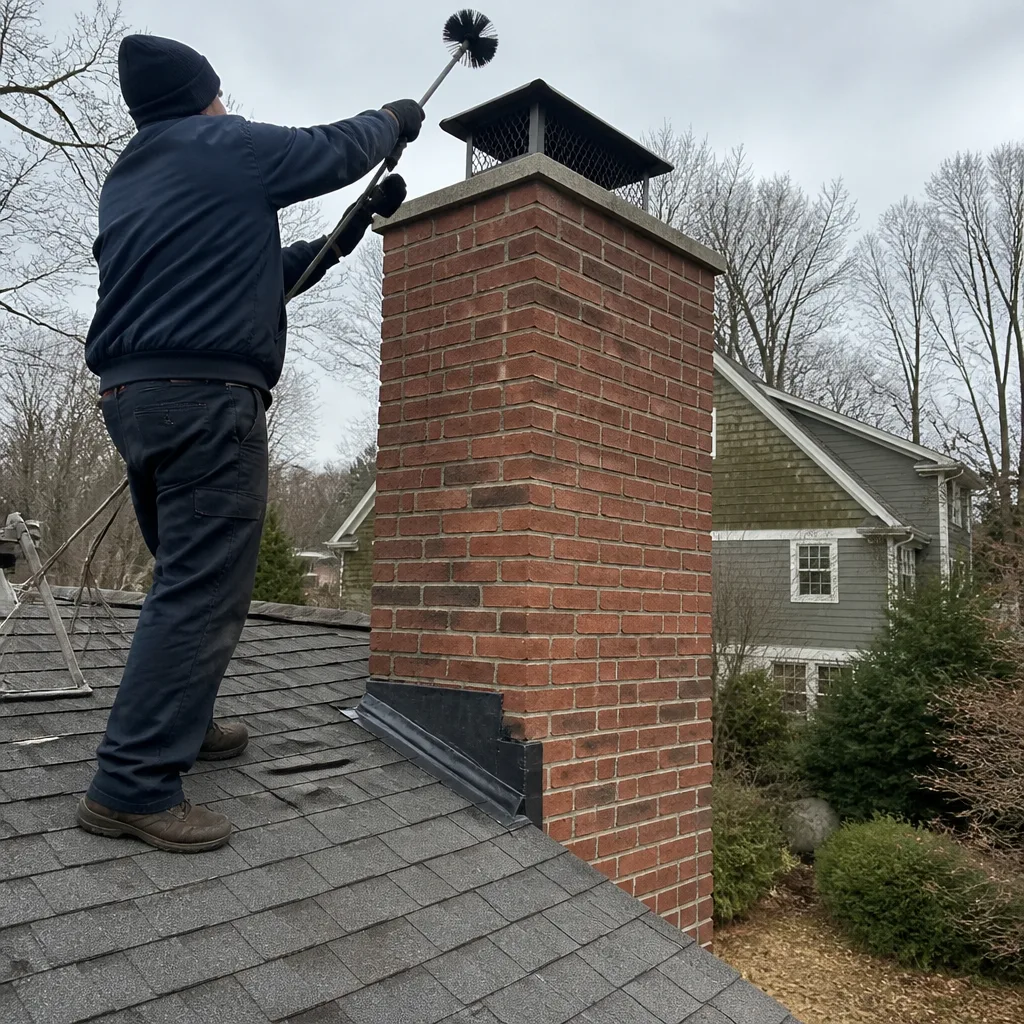
- Mechanical sweeping of the flue. Using brushes sized to the flue diameter - poly for stainless steel liners, tempered steel or flat wire for masonry flues - the technician scrubs the entire flue length from top to bottom or bottom to top depending on access. For West Hartford’s terracotta-lined chimneys, brush selection is critical; too aggressive and tiles chip, too soft and glazed creosote remains.
- Soot and debris removal. All loosened material is captured with a high-efficiency vacuum (HEPA-filtered, typically a Chimney Cleaning & Sweep in West Hartford standard) and removed from the home. No debris should remain in the firebox, smoke chamber, or cleanout.
- Smoke chamber and firebox cleaning. The area above the damper and the firebox floor receive hand cleaning and inspection. Corbeled smoke chambers in pre-1960 West Hartford homes are particularly prone to creosote accumulation in their stepped interior surfaces.
- Final inspection and documentation. The technician performs a post-cleaning visual inspection, documents conditions with photographs, and provides a written report. Any defects or recommended repairs are explained with the photos as evidence.
The entire process for a standard cleaning and Level 1 inspection takes 45-90 minutes for a typical West Hartford fireplace system. Oil-fired flues often take longer due to the volume of sulfuric residue and the need for specialized brushes.
Inspection Levels Explained: Level 1, Level 2, and Level 3
NFPA 211 defines three inspection levels, and understanding which one you need prevents both under-inspection (missed hazards) and over-selling (unnecessary demolition). West Hartford homeowners should know the distinction cold.
Level 1 Inspection. This is the baseline - a visual examination of readily accessible portions of the chimney exterior, interior, and connecting appliance. No tools are used to open or remove components. A Level 1 is appropriate when:
- The appliance and chimney are unchanged from previous use
- You’re maintaining a cleaning schedule with no known problems
- No chimney fire, earthquake, or major weather event has occurred
For most West Hartford homeowners with an established maintenance history and no changes to their system, the annual cleaning includes a Level 1 inspection.
Level 2 Inspection. This is where Hearthstone Chimney Co. operates for most West Hartford clients, and for good reason. A Level 2 includes everything in Level 1 plus examination of accessible attics, crawl spaces, and basements, and - critically - a live video scan of the internal flue surfaces. The camera reveals what visual inspection cannot: cracked tiles at the flue’s centerline, joint gaps, spalling, and creosote buildup patterns that indicate drafting problems.
A Level 2 inspection is required when:
- The property is being sold or transferred (Connecticut real estate transactions increasingly require documented Level 2 inspection)
- The chimney has experienced a chimney fire or significant weather event
- The appliance or liner has been changed
- A Level 1 inspection suggests concealed problems
Our Level-2 camera inspections end with photos the homeowner can see and a plain-English verdict - documented like an engineer, explained like a craftsman. The photos become part of your home’s maintenance record and, if needed, support insurance or real estate documentation.
Level 3 Inspection. This is diagnostic demolition - removal of chimney components (walls, surrounds, possibly exterior masonry) to access concealed areas where a hazard is suspected but cannot be confirmed otherwise. A Level 3 is justified only when a Level 2 reveals evidence of a serious hazard that cannot be fully evaluated without access. In 42 years of service, we’ve performed Level 3 inspections on a small fraction of West Hartford homes, always with the homeowner’s explicit authorization and a clear explanation of what we expect to find.
The key point: if a contractor recommends a Level 3 without first performing a documented Level 2, or cannot show you photographic evidence supporting the need, that recommendation warrants a second opinion. Our Chimney Repair in West Hartford page details what happens when inspection reveals necessary repairs.
Fuel Type Matters: Wood, Gas, and Oil Systems
West Hartford homes use all three primary fuel types, and each creates distinct cleaning requirements. Conflating them - treating a gas insert like a wood fireplace, or an oil flue like either - leads to missed hazards and incomplete service.
Wood-burning fireplaces and stoves. These generate the most complex and hazardous deposits. Creosote forms in three stages: fluffy soot (easily brushed), flaky intermediate (moderate effort), and glazed tar (requires specialized tools and sometimes chemical treatment). West Hartford’s oak-heavy firewood supply, combined with the tendency of older homes to have slightly restricted draft due to chimney height and surrounding tree canopy, often produces more stage-two and stage-three creosote than EPA burn tables predict. We clean wood-burning systems annually without exception, and we document creosote weight and stage as part of our report.
Gas fireplaces and inserts. Gas burns cleaner than wood, but “cleaner” does not mean “maintenance-free.” The primary concerns are:
- Degraded ceramic logs producing carbon deposits
- Condensate from high-efficiency units attacking aluminum or stainless liners
- Spider webs, dust, and debris obstructing burner ports and pilot assemblies
- Failed gaskets and seals allowing combustion gases into living space
Direct-vent gas inserts in West Hartford’s renovated colonials often have termination caps that become clogged with leaf debris from the town’s dense canopy. A cleaning includes inspection and clearing of these terminations. We recommend gas system service every 1-2 years, with annual inspection for units in frequent use.
Oil-fired heating appliances. These are the forgotten chimneys. The sulfur in fuel oil combines with flue gas moisture to form sulfuric acid, which condenses on flue walls and eats masonry and metal alike. Oil flues in West Hartford’s older homes - many with unlined brick flues or deteriorated terracotta - are particularly vulnerable. The residue is granular, voluminous, and corrosive. Cleaning requires specialized brushes and often reveals liner damage that has progressed silently for years. Annual cleaning is essential, and any oil flue without a stainless steel liner should be evaluated for Fireplace Services in West Hartford that include liner assessment.
Photo Documentation: What You Should Receive
Verbal-only reports from chimney contractors leave homeowners legally exposed during home sales and without recourse if problems develop. After a cleaning and inspection in West Hartford, you should receive:
- Pre-cleaning flue images. Showing creosote accumulation, existing damage, and baseline conditions
- Post-cleaning flue images. Confirming complete removal and revealing any surface defects now visible
- Smoke chamber and firebox photographs. Documenting the condition of these critical, often-neglected areas
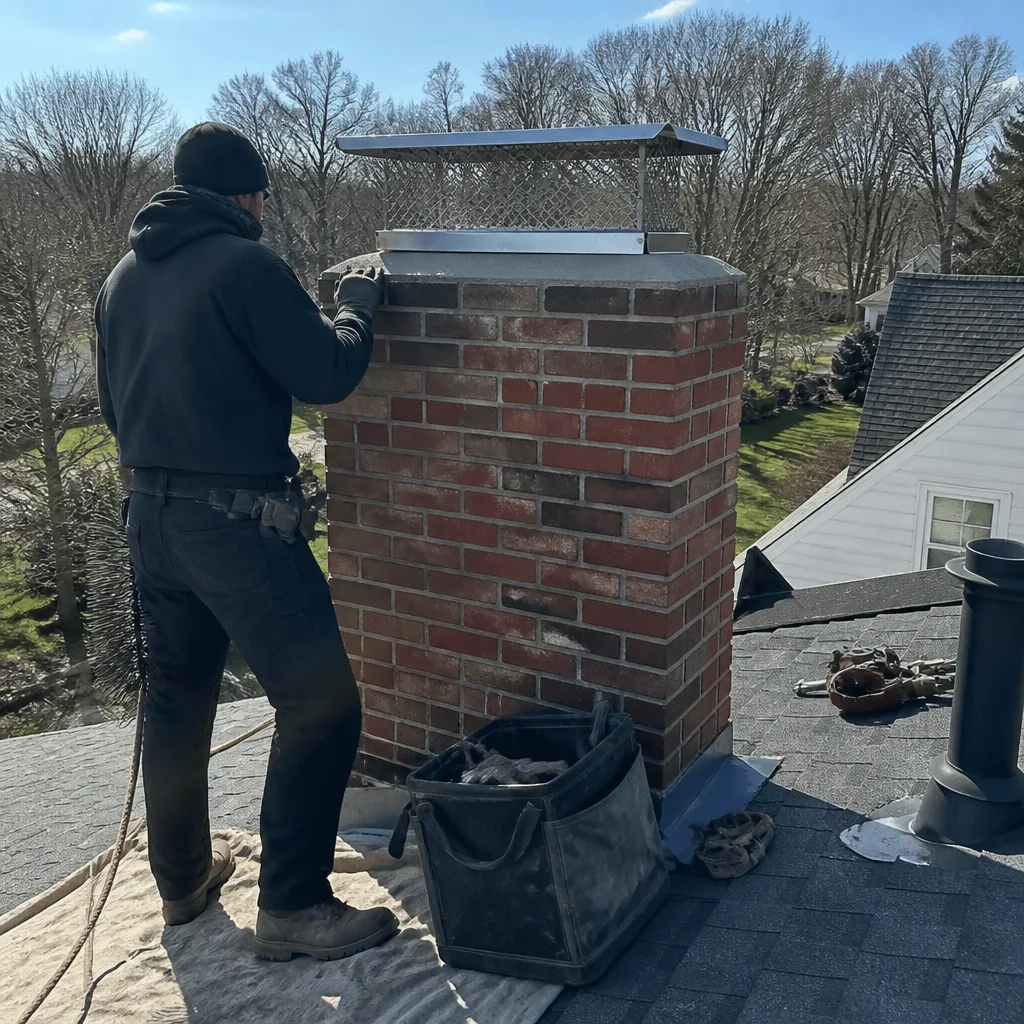
- Exterior crown, cap, and flashing images. Where accessible without ladder work beyond scope
- Written report with plain-English verdict. Not a checklist of codes, but a clear statement of what was found, what it means, and what action - if any - is recommended with priority levels
Why this matters specifically in West Hartford: Connecticut’s real estate disclosure requirements and the town’s competitive housing market mean chimney condition questions arise in most transactions. A documented inspection history with photos protects seller and buyer alike. We’ve seen verbal “all clear” reports from other contractors contradicted by photographs from subsequent inspections, leaving the original homeowner without defense.
Our reports are stored and available for reissue. If you need documentation for an insurance claim, real estate sale, or warranty issue, we provide it without charge. Done right - and we stand behind it.
Costs and Timing in the West Hartford Market
Chimney cleaning pricing in West Hartford reflects labor rates, equipment standards, and the complexity of older housing stock. Based on our market knowledge and service records, here are the ranges homeowners should expect:
| Service | Typical Range | What’s Included |
|---|---|---|
| Level 1 cleaning and inspection (wood or gas) | $189-$249 | Mechanical sweep, basic visual inspection, debris removal |
| Level 2 cleaning and camera inspection | $279-$349 | Full sweep, live video flue scan, photo documentation, written report |
| Oil flue cleaning and inspection | $229-$299 | Specialized brushing, residue removal, liner condition assessment |
| Glazed creosote removal (chemical treatment + mechanical) | $150-$300 additional | Application of PCA or similar creosote modifier, follow-up sweep |
| Chimney cap or crown repair (minor) | $185-$450 | Material and labor for crown wash, cap replacement, or minor flashing |
These are West Hartford market ranges, not national averages. Factors that push toward the higher end include: multi-flue chimneys (common in homes with both a fireplace and a heating appliance), steep roof pitch requiring specialized access equipment, and the presence of third-stage creosote requiring extended labor.
Our standing offers apply: $50 off any repair over $250, free second opinion on any written estimate, $89 seasonal tune-up, and a permanent 5% senior and veteran discount. No-hassle upfront pricing means the number on the estimate is the number on the invoice.
Timing: most cleanings are completed in a single visit of 1-2 hours. We schedule with arrival windows, not vague “sometime Tuesday” commitments. We’ll be there when we say.
When to Schedule: Seasonal Timing for Connecticut
The conventional wisdom - “schedule in fall before burning season” - creates a predictable problem. Every chimney company in Greater Hartford is overwhelmed from October 15 through Thanksgiving. Wait times stretch to 3-4 weeks, emergency premiums appear, and the quality of rushed pre-season work suffers.
For West Hartford homeowners, we recommend a different rhythm:
March through May: Post-season cleaning, when the system is warm and creosote is softer, making mechanical removal more effective. This is also when winter damage - freeze-thaw cracked crowns, dislodged caps, spalled brick from ice infiltration - is freshest and most visible. Scheduling now means any needed repairs are completed before the next burning season, and you’re first on the list if weather delays material orders.
June through August: Ideal for Level 2 inspections related to real estate transactions, and for major repairs that require curing time (crown reconstruction, liner installations). The summer humidity actually helps reveal certain moisture-related defects that dry winter air masks.
September through early October: Acceptable for established clients with no known issues, but increasingly competitive for new scheduling. We maintain capacity for our maintenance agreement clients and repeat customers; new inquiries may face longer windows.
Mid-October through February: Emergency and safety-priority service only. We answer calls 24 hours a day, 7 days a week, but scheduled maintenance during this period is limited and may carry extended lead times.
The practical implication: if your last cleaning was more than 12 months ago, schedule now regardless of season. A chimney fire in February doesn’t care about your preferred timing.
Common Mistakes to Avoid
- Assuming “no smell, no problem.” Carbon monoxide and slow chimney fires produce no odor detectable by occupants. In West Hartford’s tight, well-insulated older homes, draft dynamics can pull combustion byproducts into living spaces without obvious warning signs.
- Hiring based on coupon price alone. The $99 sweep that skips the smoke chamber, doesn’t run a camera, and provides no written report costs more than it saves when missed defects require expensive remediation or cause property damage.
- Burning unseasoned or “just cut” wood. Oak and hickory from local tree services need 18-24 months of covered drying in Connecticut’s humid climate. Burning at 25% moisture content doubles or triples creosote accumulation versus properly seasoned wood at 15-20%.
- Neglecting the oil flue. Many West Hartford homeowners service their boiler annually but never consider the chimney that vents it. Oil residue is corrosive and voluminous; an unlined or deteriorated oil flue is a hidden hazard that home inspectors increasingly flag.
- Accepting verbal reports. Without photographs and written documentation, you have no evidence of pre-existing conditions for insurance purposes, no proof of maintenance for real estate disclosure, and no recourse if the contractor’s “all clear” proves mistaken.
- DIY cleaning without proper equipment. Homeowner brush kits often damage terracotta liners, fail to reach the full flue length in tall West Hartford chimneys, and create massive interior soot deposits without adequate vacuum containment. The safety risks - particularly working on roofs or with compromised liners - exceed any savings.
- Ignoring the crown and cap. Water is the primary enemy of chimney longevity in Connecticut. A cracked crown or missing cap that goes unaddressed after cleaning guarantees accelerated deterioration of the very flue you just paid to maintain.
When to Call a Professional
Call for service - not next month, but this week - if you notice any of the following: visible creosote flakes in the firebox, smoke entering the room during operation, a strong acrid odor when the damper is closed, white or orange staining on exterior masonry, pieces of tile or brick in the firebox, or any change in draft performance after a weather event. These are not maintenance-deferrable conditions; they are active hazard indicators.
For routine maintenance, call before your system exceeds its service interval. For wood-burning systems in regular use, that’s annually. For oil-fired systems, annually without exception. For gas systems, every 1-2 years depending on use.
Hearthstone Chimney Co. offers free estimates in West Hartford. A live person answers every call, 24 hours a day, 7 days a week. Call (860) 743-1516 to schedule, or to discuss whether your situation requires immediate attention or routine scheduling, and explore our more guides & resources for additional homeowner support. Our background-checked, uniformed technicians complete most jobs in a single visit, and our 90-Day Done Right Promise governs every service: if it’s not right, we make it right, in writing, with no arguing.
Frequently Asked Questions
A standard chimney cleaning and Level 1 inspection in West Hartford typically runs $189-$249 for wood or gas systems, and $229-$299 for oil-fired flues. Level 2 camera inspections range from $279-$349. The exact price depends on flue accessibility, creosote condition, and whether multiple flues serve the chimney. Call (860) 743-1516 for an exact quote - estimates are free.
The National Fire Protection Association recommends annual inspection, with cleaning as needed. In practice, West Hartford homeowners burning seasoned hardwood should schedule annual cleaning; those with gas inserts can extend to every 1-2 years with annual inspection; and oil-fired systems require annual cleaning due to corrosive sulfur residue. The combination of local hardwoods, humid summers, and freeze-thaw winters makes the annual baseline prudent for most Connecticut homes.
Not always. A liner is necessary when the existing flue is unlined brick (common in pre-1940 West Hartford homes), when terracotta tiles are cracked or missing, when sizing is incorrect for the appliance, or when converting fuel types. We never recommend liner replacement without camera documentation you can see, and we’ll tell you plainly when a defect can be monitored rather than immediately replaced. Our second-opinion offer applies to any liner recommendation over $250.
Accumulated creosote ignites at approximately 451°F - temperatures routinely reached in normal operation. A chimney fire can crack terracotta liners, warp stainless steel, and penetrate to surrounding combustibles. Even without ignition, restricted draft from creosote buildup increases carbon monoxide risk and reduces appliance efficiency. In West Hartford’s older homes with original construction, the consequences of deferred maintenance compound faster than in newer construction.
Cleaning removes deposits; inspection evaluates condition. They often occur together, but they are distinct services. A sweep without inspection misses structural defects; an inspection without cleaning may obscure conditions beneath soot layers. Our standard service combines both, with the inspection level matched to your situation - Level 1 for routine maintenance, Level 2 for real estate transactions or when changes are suspected.
We don’t recommend it for most homeowners. The equipment investment is substantial, the risk of damaging terracotta liners is real, and working on roofs or with compromised systems poses genuine safety hazards. For simple fireplace maintenance between professional services, a fireplace shovel and ash vacuum are useful. For the flue itself, particularly in West Hartford’s older homes with unknown liner conditions, professional service with documented results is the prudent choice. The 90-Day Done Right Promise exists because we stand behind work that homeowners cannot self-verify.
The Bottom Line
Chimney cleaning in West Hartford is not a commodity service. The town’s specific housing stock, fuel patterns, and climate create conditions that generic advice and cut-rate sweeps fail to address. A thorough cleaning includes proper brush selection for your liner type, complete debris removal, appropriate inspection level with photo documentation, and a written report that serves as legal protection and maintenance record. Schedule before the fall rush, prioritize annual service for wood and oil systems, and never accept verbal-only assessments of a system that affects your home’s safety and your family’s health. Done right - and we stand behind it.
Written by Russell Haines, Owner at Hearthstone Chimney Co., serving West Hartford since 2014.