
Last updated September 10, 2026
Level 1 sweep and inspection to the NFPA 211 annual standard - flue, crown, cap, and flashing checked and photographed
Chimney sweep logs do not sweep chimneys. They loosen some creosote - which then falls where a brush and vacuum still have to collect it.
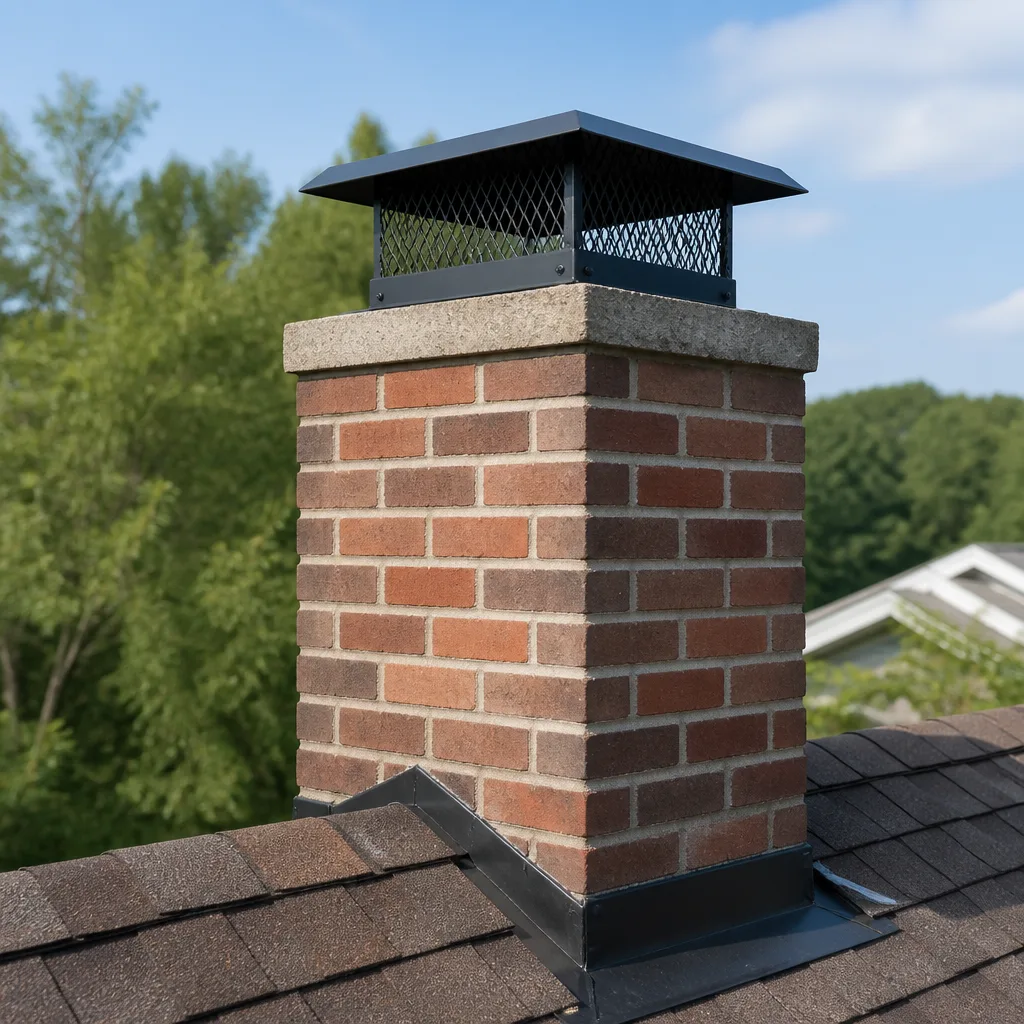
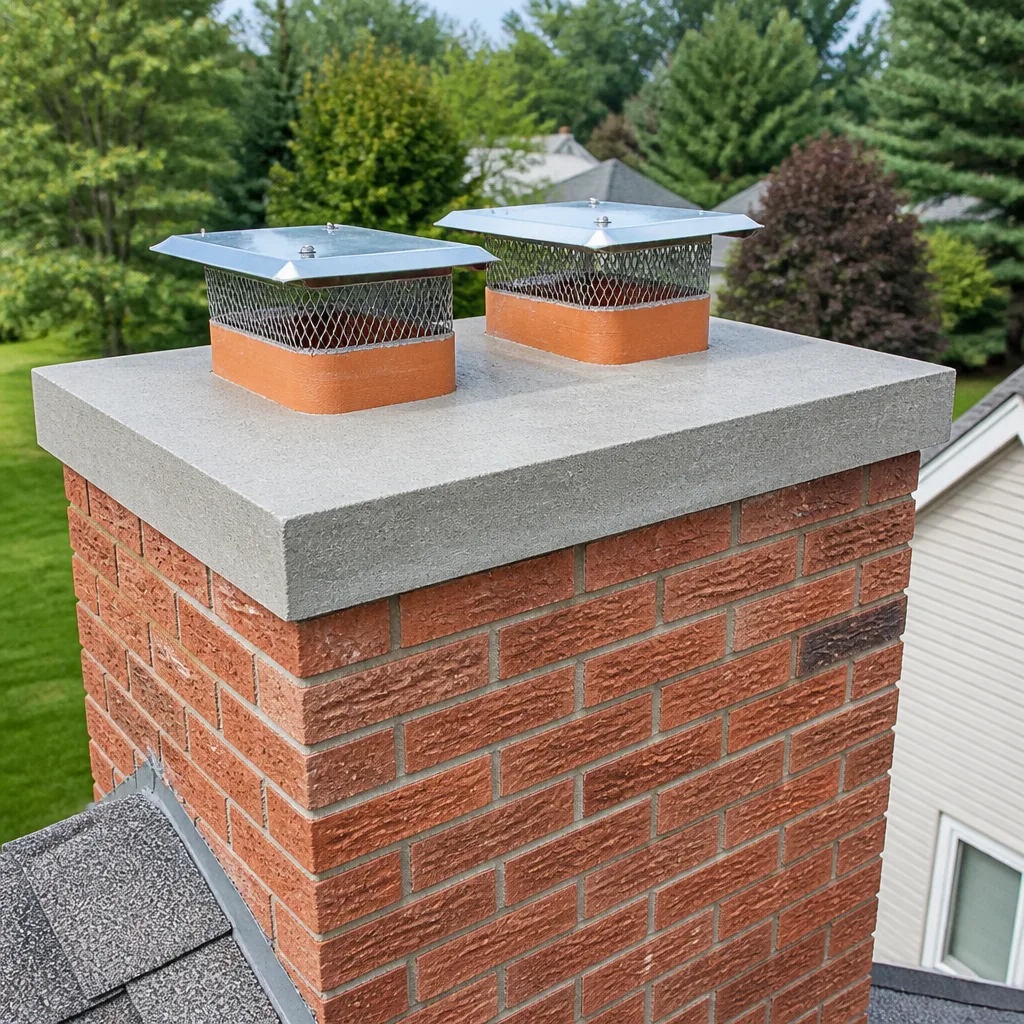
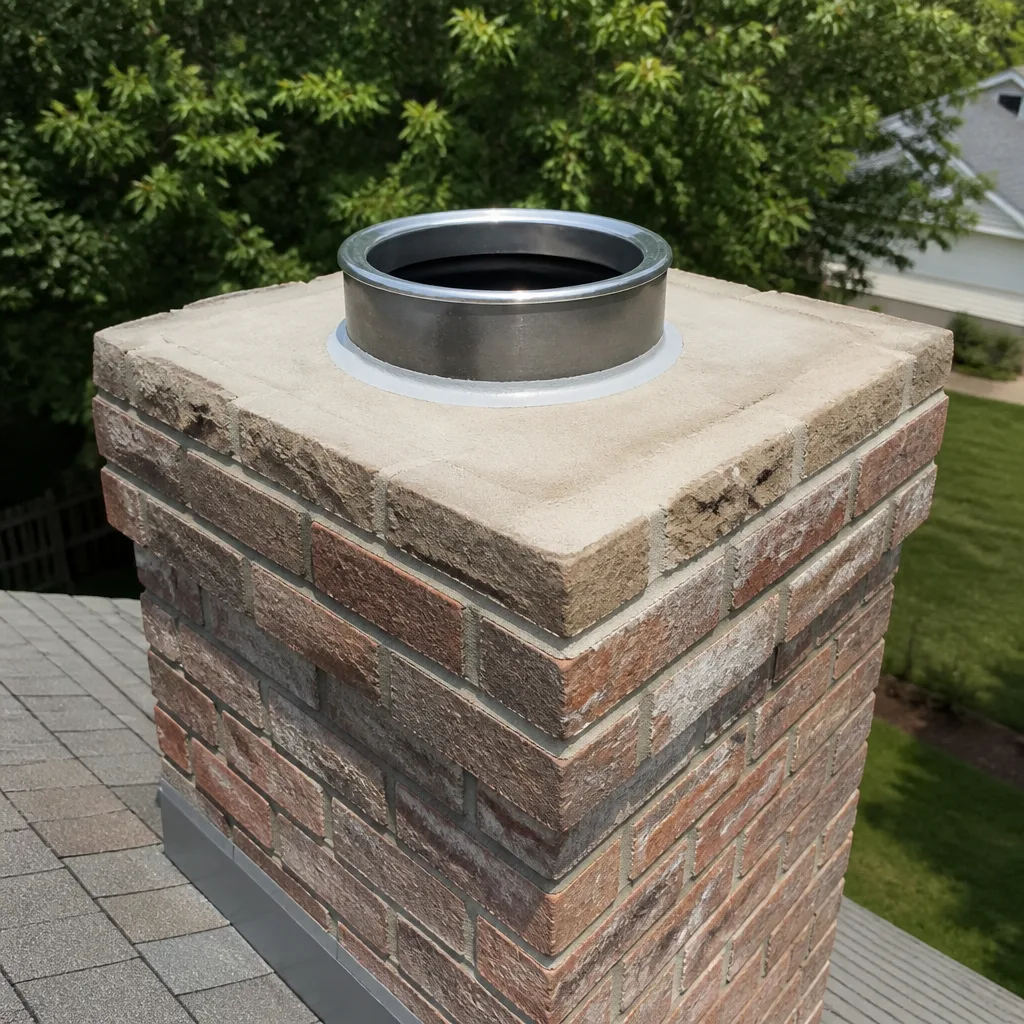
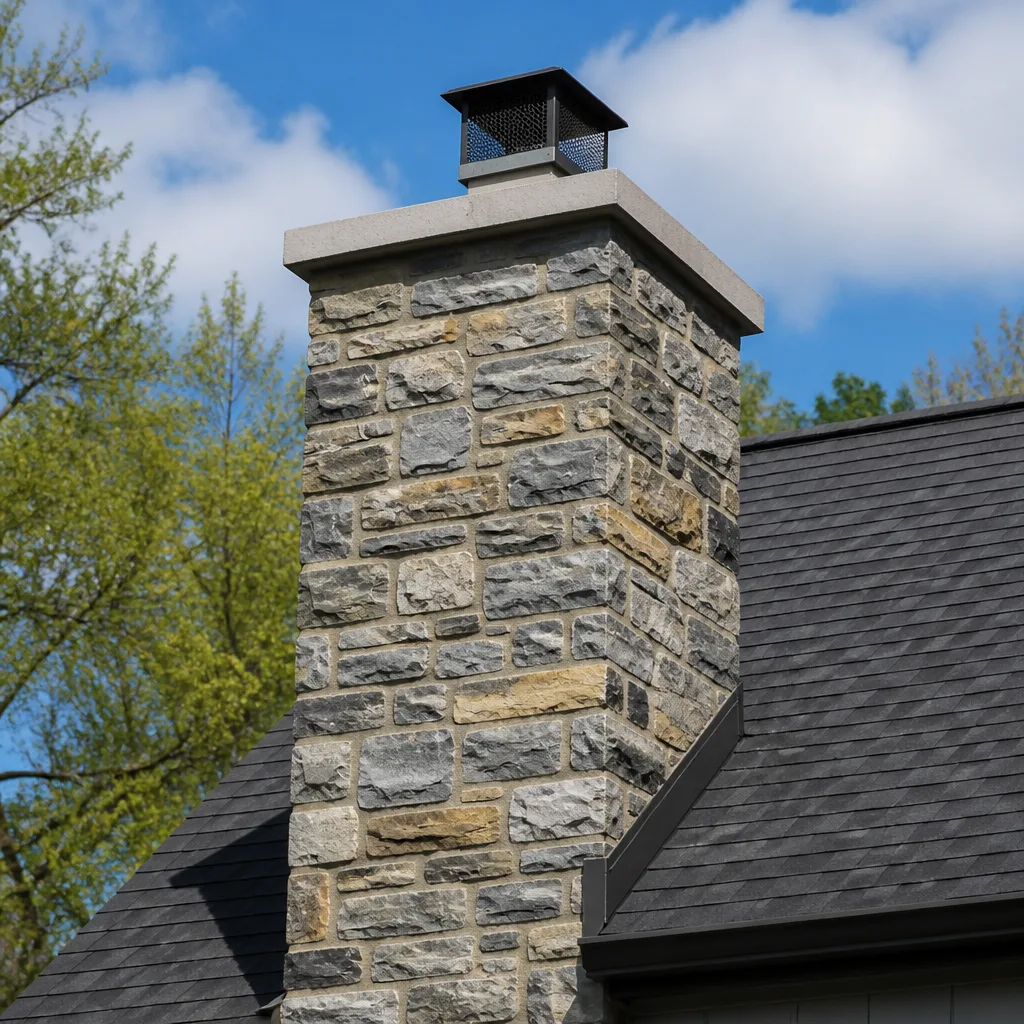
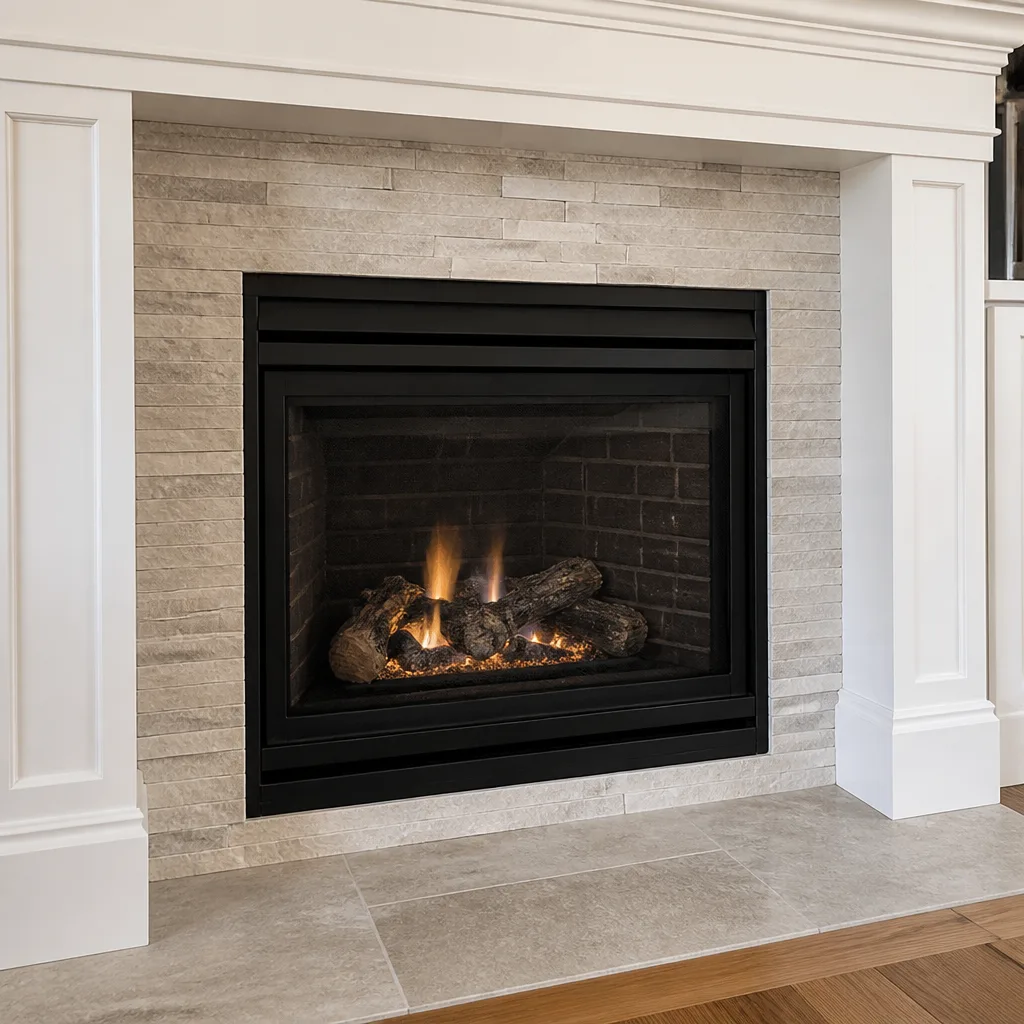
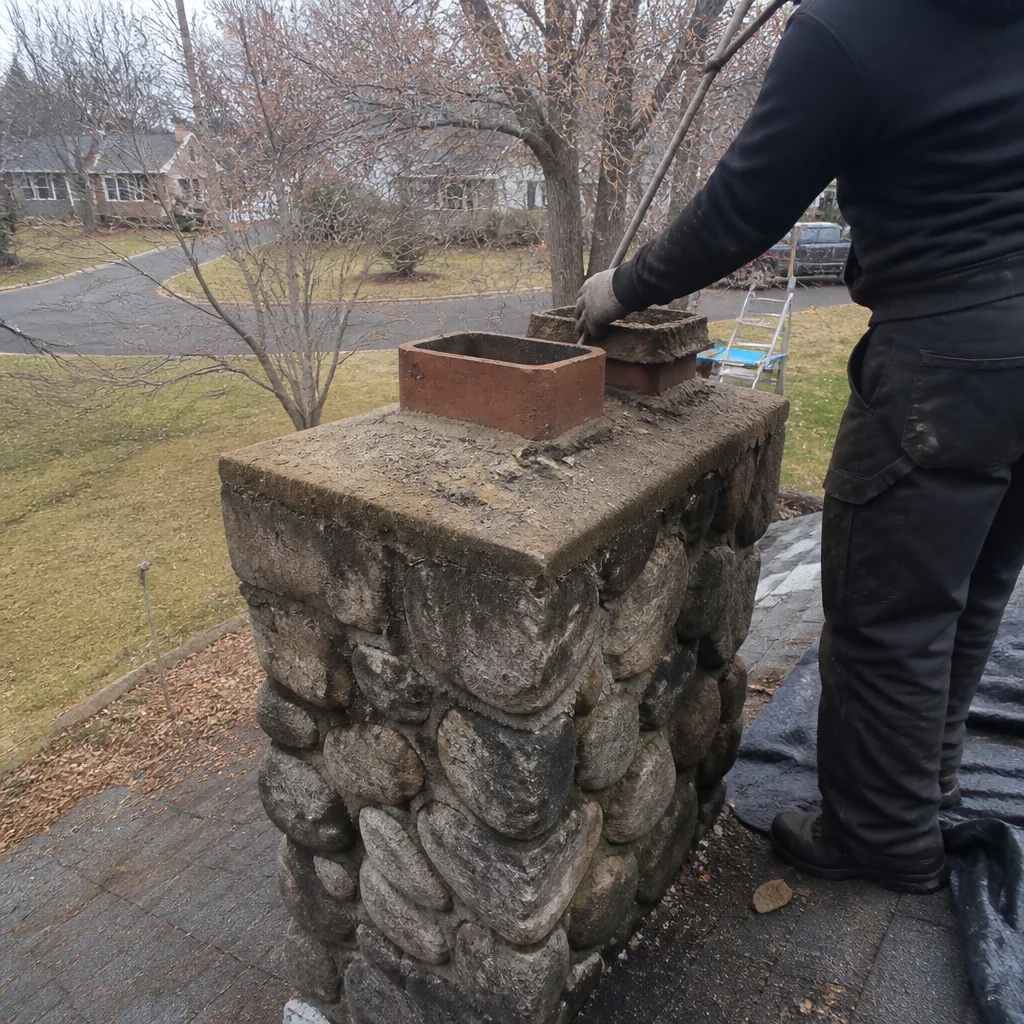 Before
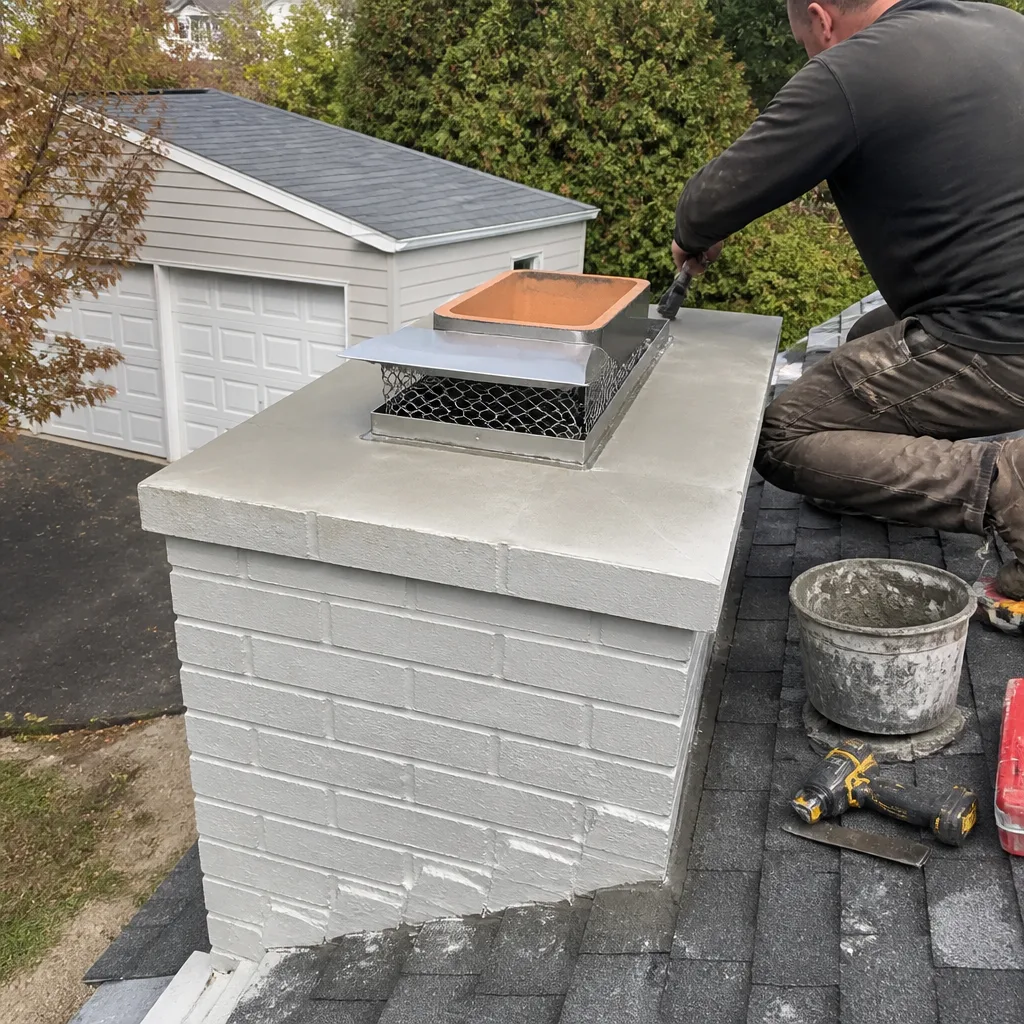 After
After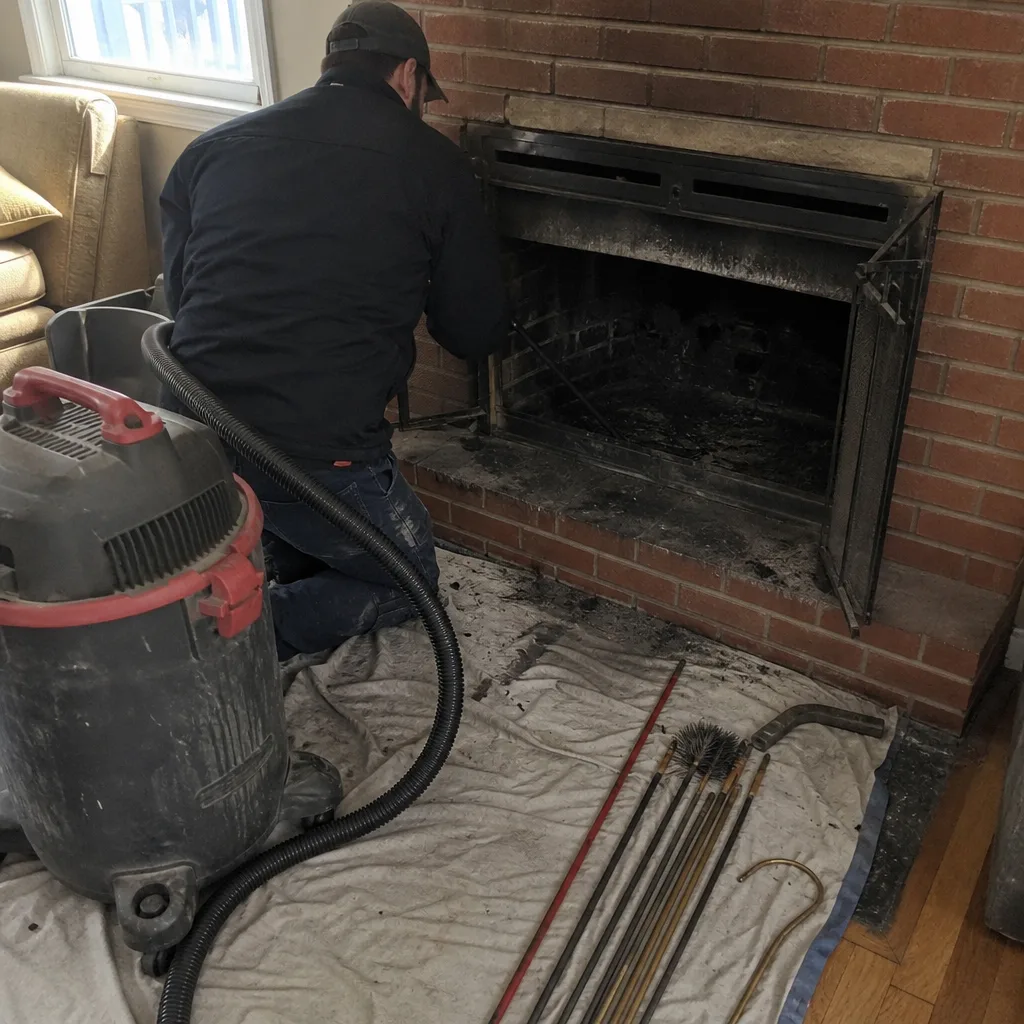 Before
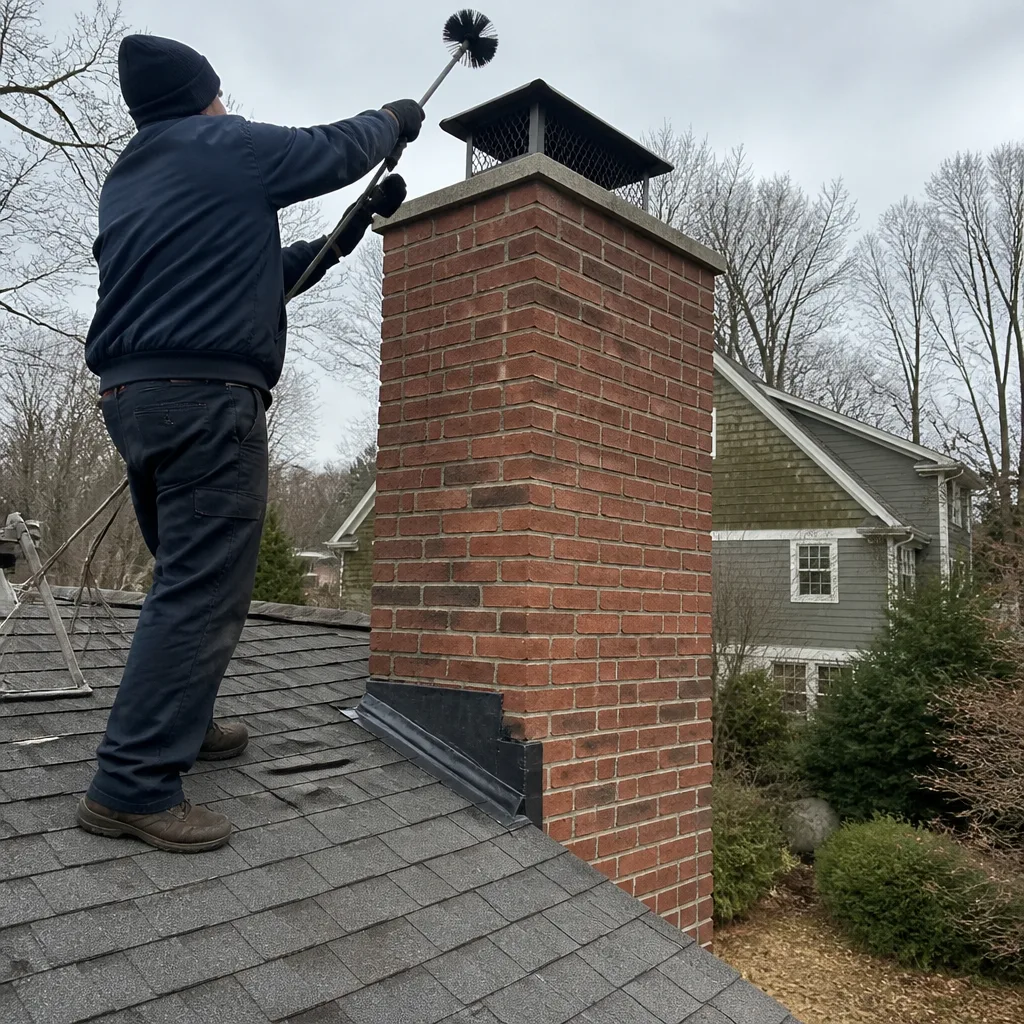 After
After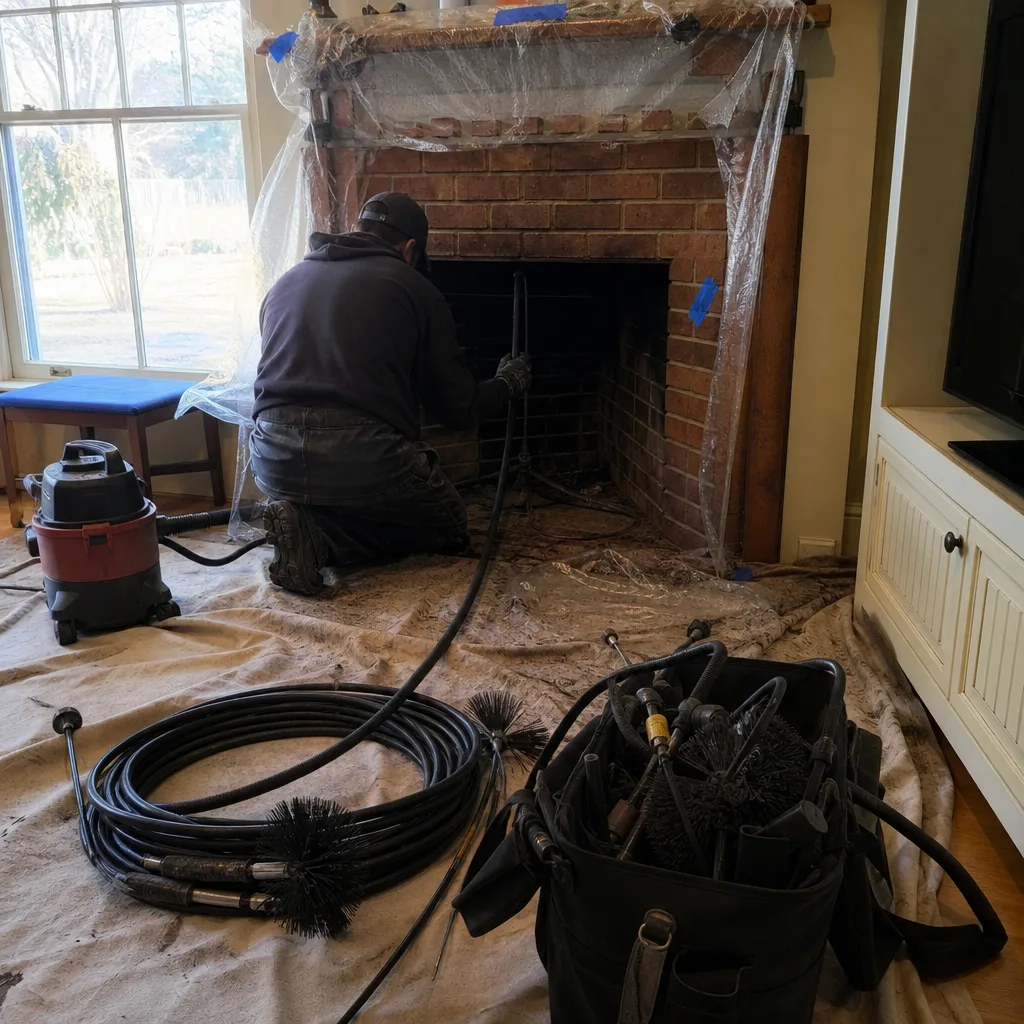 Before
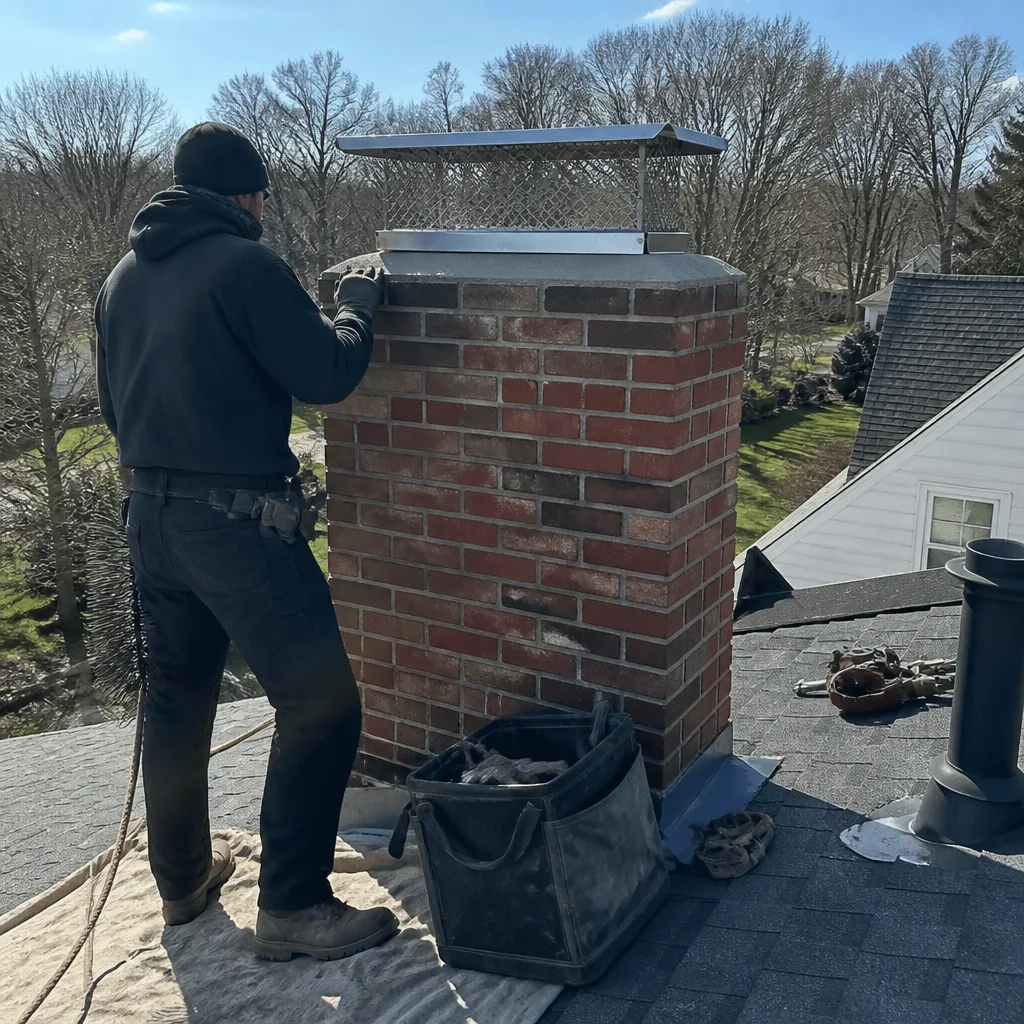 After
AfterDIY vs Professional Chimney Cleaning: The West Hartford Homeowner’s Decision Guide
The brush-and-drop-cloth chimney cleaning kits sold online work. They remove first-degree creosote from accessible flue sections reasonably well. They do not detect a cracked tile liner, a deteriorated smoke shelf, or third-degree glazed deposits - which is most of what chimney fires actually feed on. In West Hartford, where winters run long and homeowners burn cordwood from October through April, the real question isn’t whether you can push a brush up a flue. It’s whether you can assess what that brush cannot reach, cannot see, and cannot safely remove. This guide walks through what DIY cleaning actually accomplishes, where it falls short, and how to decide which path fits your chimney this season, with seasonal chimney cleaning care for West Hartford in mind.
Quick Answer
DIY chimney cleaning removes loose, first-degree creosote from accessible flue sections and costs $30-$80 for a basic kit. Professional cleaning in West Hartford runs $200-$350 for a standard sweep with Level-1 inspection, or $300-$500 with a Level-2 camera inspection, and produces documented evidence of liner condition, smoke chamber integrity, and creosote stage that DIY cannot replicate. For chimneys over 15 years old, those serving wood stoves, or any system not professionally inspected within 24 months, professional service is the safer investment; see our chimney cleaning cost breakdown for West Hartford to compare.
Table of Contents
- What DIY Chimney Cleaning Actually Accomplishes
- What DIY Cleaning Cannot See or Fix
- Three Conditions Where Professional Cleaning Is Not Optional
- How Connecticut Insurance Treats Chimney Fire Claims Without Documentation
- Honest Cost Comparison: DIY Kit vs. Professional Service
- A Framework for Deciding This Season
- Common Mistakes to Avoid
- When to Call a Professional
- Frequently Asked Questions
What DIY Chimney Cleaning Actually Accomplishes
A homeowner with patience, a sturdy ladder, and a basic rotary or rod-style brush kit can remove loose, powdery creosote - what sweeps call first-degree buildup - from the main flue section. This is the light, sooty deposit that forms when wood burns hot and complete. It brushes away readily. For a simple masonry fireplace in a West Hartford colonial, used occasionally for atmosphere rather than primary heat, this level of cleaning may keep the flue passable between professional visits.
The standard DIY kit includes fiberglass or polypropylene rods, a brush sized to the flue diameter, a drop cloth, and a dust mask. Some add a shop vacuum with a HEPA filter. The procedure is straightforward: seal the fireplace opening, access the flue from top or bottom, and run the brush through in sections. For a single-story ranch in Elmwood with a straight flue and no offsets, this takes two to four hours including setup and cleanup.
What DIY does well:
- Removes loose, powdery soot before it compacts into harder deposits
- Maintains airflow in a relatively clean system between professional sweeps
- Provides visual confirmation that the flue is not completely blocked by debris or animal nesting
- Costs under $80 for reusable equipment
But the accomplishment ends where the flue wall meets the unseen. DIY cleaning does not reach the smoke chamber - the inverted funnel above the damper where most chimney fires originate. It does not inspect the liner for cracks or gaps. It does not measure creosote thickness or identify its stage. And in West Hartford’s older homes, particularly in the West End and Charter Oak neighborhoods where chimneys date to the 1920s and 1930s, the flue itself may not be the problem. The problem may be the terra cotta liner that has been deteriorating since the Truman administration.
We’ve seen this repeatedly in our work across West Hartford. A homeowner cleans diligently every autumn, confident in their maintenance, while a cracked liner allows flue gases to erode mortar joints and heat to reach combustible framing. The chimney looks clean. It is not safe.
What DIY Cleaning Cannot See or Fix
The gap between cleaning and inspection is where risk accumulates. A brush moves through the flue and emerges dirty. The homeowner concludes the job is done. But the brush cannot report what it touched, what it missed, or what condition the passage is in.
Here is what remains invisible and unaddressed in a typical DIY cleaning:
- Cracked or spalled flue tiles. Terra cotta liners fracture from thermal cycling, settlement, or chimney fires the homeowner may not have noticed. A crack as narrow as a credit card edge can allow 2000°F flue gases to reach the chimney structure. A brush glides past it.
- Third-degree glazed creosote. This hard, tar-like deposit forms when wood burns slowly, when the flue is oversized for the appliance, or when unseasoned fuel is used. It cannot be brushed away. It requires chemical treatment, rotary removal with specialized chains or whips, and often multiple passes. Attempting to scrape it with a standard brush risks damaging the liner and releasing concentrated carcinogenic compounds into the home.
- Smoke chamber deterioration. The smoke chamber is the area above the firebox damper, typically corbeled brick or parged with mortar. Building codes require it to be smooth and sealed. Parging cracks and exposed brick corners create turbulence that deposits creosote and provides kindling surface for chimney fires. No DIY kit reaches this space effectively.
- Damper malfunction or misalignment. A damper that does not fully open, that has lost its plate, or that was installed incorrectly restricts draft and accelerates creosote formation. Cleaning the flue does not fix a mechanical problem at the throat.
- Chimney cap, crown, or flashing defects. Water entry destroys chimneys from the outside in. A missing cap invites animals and debris. A cracked crown channels water into the structure. Failed flashing rots roof decking and framing. These conditions are diagnosed from the roof, not from the hearth.
In West Hartford, where freeze-thaw cycles are severe and water intrusion is the leading cause of chimney structural failure, these exterior conditions matter as much as interior cleanliness. The brush in the flue does not see the crown. The camera in the flue does.
Our chimney cleaning and sweep service in West Hartford includes Level-1 visual inspection as standard. When conditions warrant, we recommend Level-2 inspection with a camera system that documents every square inch of the flue, smoke chamber, and accessible exterior. The homeowner receives photos they can see and a plain-English verdict they can act on. This is not an upsell. It is the difference between knowing and guessing.
Three Conditions Where Professional Cleaning Is Not Optional
There are circumstances where DIY cleaning is not merely insufficient but inappropriate. These are not judgments about homeowner capability. They are conditions where the stakes exceed what an untrained observer can evaluate.
1. Recent Chimney Fire
If the chimney has experienced a fire - indicated by a roaring sound in the flue, dense smoke, or visible cracking of exterior masonry - professional inspection is mandatory before any further use. Chimney fires can reach 2000°F and cause hidden damage to liners, mortar, and surrounding structure. A homeowner cannot assess thermal damage to terra cotta or stainless steel liner systems without specialized equipment and training. In West Hartford, the West Hartford Fire Department responds to chimney fire calls annually, particularly in late January and February when heavy use meets cold snaps. If your chimney has been involved, call a professional. Do not attempt to clean and resume use.
2. New Home Purchase
A home inspection is not a chimney inspection. General inspectors visually examine accessible portions but do not evaluate flue condition, liner integrity, or appliance installation compliance. In West Hartford’s competitive real estate market, buyers often waive specialized inspections to strengthen offers. This is a mistake for chimneys. We have inspected chimneys in homes on Mountain Road and Albany Avenue where the general inspection reported “chimney appears functional” and we found separated liner sections, unlined flues, or wood stove installations that violated clearances. A professional Level-2 inspection before closing provides documentation that protects the buyer and supports insurance and warranty claims.
3. Appliance Change or Installation
Any change to the heating appliance - new wood stove, insert, gas log set, or boiler connection - requires professional evaluation of flue compatibility. Appliances have specific venting requirements for diameter, material, and draft. An improperly matched system backdrafts, overproduces creosote, or leaks carbon monoxide. DIY cleaning does not address sizing, configuration, or code compliance. In Connecticut, the State Building Code and NFPA 211 govern these installations. A professional sweep documents compliance and identifies modifications needed for safe operation.
Outside these three conditions, experienced homeowners with straight, young, well-maintained systems may reasonably perform intermediate cleaning. But the boundary is narrower than most assume.
How Connecticut Insurance Treats Chimney Fire Claims Without Documentation
This is the point competitors rarely address honestly, and it matters for West Hartford homeowners who have carried the same policy for decades.
Connecticut homeowner’s insurance policies typically cover chimney fire damage to the structure and contents. But coverage is not automatic. The insurer investigates cause, maintenance history, and compliance with policy conditions. Increasingly, insurers require evidence of annual professional chimney inspection and cleaning as a condition of coverage for fire loss originating in the chimney system.
What this means practically:
- If you file a claim for chimney fire damage and cannot produce documentation of professional inspection within the prior 12-24 months, the insurer may deny the claim or reduce payment based on “failure to maintain.”
- DIY cleaning, however diligent, does not constitute professional inspection. There is no documentation standard, no third-party verification, and no assessment of conditions beyond surface cleanliness.
- In disputes, Connecticut courts have upheld insurer denials where homeowners could not demonstrate compliance with maintenance requirements explicitly stated in the policy or implied through standard fire prevention clauses.
We are not insurance professionals, and policy language varies. We urge West Hartford homeowners to review their declarations page and speak with their agent. Ask specifically: “Does my policy require professional chimney inspection documentation? Is DIY cleaning accepted as maintenance compliance?” Document the answer. The cost of a professional sweep with written report is modest compared to the potential exposure of an uncovered $50,000 fire restoration.
Our Level-2 inspections include dated, photo-documented reports suitable for insurance submission. We use equipment from Olympia Chimney and Gelco for liner assessment and cap installation, and our documentation meets the standards insurers and real estate transactions require. Done right - and we stand behind it.
Honest Cost Comparison: DIY Kit vs. Professional Service
The internet is full of cost comparisons that treat DIY as nearly free and professional service as extravagance. This is dishonest math. Here is an honest accounting for West Hartford in 2024.
DIY Chimney Cleaning: Actual Costs
| Item | Cost Range |
|---|---|
| Basic brush and rod kit (polypropylene, single size) | $30-$50 |
| Rotary system with multiple brush sizes | $80-$150 |
| HEPA shop vacuum or specialized ash vacuum | $100-$250 |
| Drop cloths, sealing materials, PPE | $25-$50 |
| Ladder or roof access equipment (if needed) | $0-$200 |
| Your time: 3-6 hours including setup, cleaning, cleanup | Variable |
| Risk cost: potential injury, damage, or missed condition | Unquantified |
First-year DIY cost for adequate equipment: $150-$400. Ongoing years: $0-$30 for brush replacement, assuming no equipment upgrades or replacements.
Professional Chimney Cleaning in West Hartford: Actual Costs
| Service | Cost Range |
|---|---|
| Standard sweep with Level-1 visual inspection | $200-$280 |
| Sweep with Level-2 camera inspection and photo report | $300-$450 |
| Glazed creosote removal (chemical treatment + rotary) | $150-$300 additional |
| Smoke chamber parging repair (if needed) | $400-$800 |
| Liner repair or section replacement | $800-$2,500 |
The honest comparison requires asking what each expenditure produces. DIY produces a cleaner flue surface in the accessible section, assuming correct execution. Professional service produces a cleaned flue, documented condition assessment, identification of required repairs, and a report suitable for insurance, real estate, or warranty purposes.
For a West Hartford homeowner with a 10-year-old system, professional cleaning every 2-3 years with DIY maintenance in between may be reasonable. For a system over 20 years, or one burning more than two cords annually, annual professional service is the economically sound choice. The cost of missing a cracked liner or stage-three creosote deposit far exceeds the service differential.
Our chimney repair services in West Hartford address conditions identified during cleaning. No-hassle upfront pricing means the number on the estimate is the number on the invoice. We’ll be there when we say.
A Framework for Deciding This Season
Use this framework to determine whether your chimney is a reasonable DIY candidate this year, or whether professional service is warranted.
Step 1: Establish Baseline Facts
- When was the last professional inspection? If never, or over 24 months ago, schedule professional service before considering DIY.
- How old is the chimney structure? Pre-1980 systems in West Hartford often have unlined flues or outdated clay liners with known failure patterns.
- What fuel type and appliance? Wood stoves and inserts produce more creosote and require more frequent service than open fireplaces. Pellet systems have different maintenance needs.
- How much is burned annually? Two or more cords of wood significantly increases creosote accumulation and inspection priority.
Step 2: Assess Physical Accessibility and Condition
- Is the flue straight, or does it have offsets? Offsets require specialized equipment and technique beyond standard DIY kits.
- Can you safely access the roof or chimney top? Steep pitches, ice, or physical limitation make top-down cleaning hazardous.
- Do you know the flue diameter and shape? Incorrect brush sizing damages liners and leaves deposits.
Step 3: Match to Decision
| Profile | Recommended Path |
|---|---|
| System under 10 years, last professional inspection within 18 months, straight flue, open fireplace, under 1 cord burned annually | DIY cleaning reasonable with proper equipment; schedule professional inspection every 2-3 years |
| System 10-25 years, inspection 18-36 months ago, any wood stove or insert use, 1-2 cords annually | Professional cleaning and inspection this season; DIY maintenance only between documented professional visits |
| System over 25 years, unknown or over 36 months since inspection, any recent fire or appliance change, 2+ cords annually | Professional service mandatory; DIY cleaning not appropriate until baseline condition is established |
In West Hartford neighborhoods like Buena Vista and Park Road, where housing stock spans from 1920s colonials to mid-century ranches, chimney age and condition vary block by block. The framework above accounts for this variability. The key is honest self-assessment about what you know, what you can verify, and what remains unseen.
Our fireplace services in West Hartford include consultation on fuel selection, burning practices, and maintenance scheduling tailored to your system and usage. A square deal: no surprises on the bill.
Common Mistakes to Avoid
- Assuming a clean-looking flue is a safe flue. In West Hartford’s older homes, particularly those with original terra cotta liners, the visible soot may be minimal while hidden cracks and gaps allow gas and heat migration. Appearance deceives.
- Using a brush that does not match flue dimensions. An oversized brush lodges in the flue; an undersized one skips the corners where creosote concentrates. Measure before purchasing. If you do not know the flue dimensions, you do not have the information to DIY safely.
- Cleaning from the bottom only. Bottom-up cleaning dislodges debris that falls onto the smoke shelf and damper. Without vacuum extraction and smoke chamber access, this material remains to ignite or obstruct. Professional sweeps clean from both directions with proper debris control.
- Burning unseasoned or treated wood, then cleaning more frequently as compensation. Green wood and pressure-treated lumber produce corrosive deposits and accelerated creosote formation. More frequent DIY cleaning does not offset the damage to liners and metal components. Burn only seasoned hardwood, minimum 12 months dried.
- Ignoring the chimney exterior. West Hartford’s freeze-thaw cycles destroy crowns and mortar joints. A homeowner focused on interior flue cleaning may miss the crown crack that admits water to destroy the structure from within. Include exterior visual inspection in any maintenance routine.
- Attempting glazed creosote removal with hand tools. Third-degree deposits require chemical treatment and rotary mechanical removal. Scraping with hand tools damages liners, releases toxic compounds, and rarely removes the deposit completely. This is professional work.
When to Call a Professional
Call a professional sweep when the framework above points to professional service, when any of the three mandatory conditions apply, or when you simply prefer the certainty of documented assessment over the uncertainty of self-evaluation. There is no shame in this. A chimney is a structural system conveying toxic gases and extreme temperatures through the center of your home. Professional evaluation is not an admission of inadequacy; it is recognition of complexity.
In West Hartford, Hearthstone Chimney Co. provides free estimates for cleaning, inspection, and repair. Our technicians are background-checked and uniformed. Most jobs are completed in a single visit. Calls are answered by a live person 24 hours a day, 7 days a week - not a voicemail, not a callback queue. The number is (860) 743-1516.
We bring 42 years of regional experience to every inspection. We document with photos you can see and explain in plain English what we found and what it means. Our 90-Day Done Right Promise covers every job in writing with no arguing - Krafted right, Every time, Your home first, Standing behind it. We’ve been in business since 1984 and plan to be here when your grandchildren need their chimneys swept.
Frequently Asked Questions
A standard chimney sweep with Level-1 inspection in West Hartford typically costs $200-$280. A sweep with Level-2 camera inspection and photo documentation runs $300-$450. Glazed creosote removal or smoke chamber repair adds $150-$800 depending on severity. Call (860) 743-1516 for an exact quote - estimates are free.
Yes, for basic first-degree creosote removal in a straight, accessible flue on a system that has been professionally inspected within 18 months. No, if the system is over 25 years old, has unknown inspection history, shows glazed deposits, or has offsets or damage. Safety depends on knowing what you are qualified to assess and what requires professional evaluation.
NFPA 211 recommends annual inspection for all chimney systems, with cleaning frequency determined by inspection findings. In practice, West Hartford homeowners burning 1-2 cords of seasoned hardwood annually should plan on professional sweeping every 1-2 years. Heavy use (3+ cords), unseasoned wood, or wood stove operation may require annual cleaning. Gas systems require less frequent cleaning but still need annual inspection for venting integrity and debris obstruction.
Skipped maintenance allows creosote to accumulate and harden, increasing chimney fire risk and restricting draft. In West Hartford’s cold climate, restricted draft causes smoke backup, carbon monoxide exposure risk, and inefficient burning that wastes fuel. Long-term neglect leads to accelerated liner deterioration, water damage from uncapped flues, and structural repairs that cost 10-20 times annual maintenance. The consequence of skipping is not immediate failure but compounding risk and cost.
A cracked or separated liner is a genuine safety hazard that no reputable sweep invents. At Hearthstone, we show you camera photos of the damage and explain the mechanism - heat and gases escaping the flue, eroding mortar, potentially reaching combustible framing. We use Famco and Copperfield liner materials and provide written documentation. If a sweep cannot show you the condition and explain it clearly, seek a second opinion. We offer free second opinions on any written estimate.
Connecticut does not have a statewide mandate, but individual insurers increasingly require annual professional inspection documentation as a condition of chimney fire coverage. Policies vary. Review your declarations page and confirm requirements with your agent. DIY cleaning does not satisfy documentation requirements. Professional inspection with written report does.
Spring and early summer (April-June) offer the best availability and allow time to address repairs before the burning season. September and October appointments fill quickly as homeowners prepare for winter. We recommend scheduling in spring, when our technicians can also assess winter damage and water intrusion before it worsens through another season. Call (860) 743-1516 to reserve your preferred date.
The Bottom Line
DIY chimney cleaning has its place: maintaining a young, well-understood system between professional inspections, removing loose deposits, and saving modest cost for the appropriately skilled homeowner. Its limitations are real and consequential. It cannot assess liner integrity, smoke chamber condition, or creosote stage. It produces no documentation for insurance or real estate. And in West Hartford’s aging housing stock, the conditions it cannot detect are precisely the conditions that cause fires and structural failure.
Professional service costs more upfront and delivers substantially more value: documented condition assessment, identification of hidden hazards, compliance verification, and a written report that protects your coverage and your sale. For systems over 15 years, those with heavy use, or any with uncertain history, professional cleaning is not the expensive option. It is the economical one.
We have swept chimneys in West Hartford since 1984. We have seen the aftermath of neglected maintenance and the peace of mind that comes from knowing exactly what condition your chimney is in. If you are uncertain where your system falls in the framework above, call us or explore more guides & resources for additional help. We’ll give you a straight answer and a fair price. Done right - and we stand behind it.
Written by Russell Haines, Owner at Hearthstone Chimney Co., serving West Hartford since 2014.