
Last updated September 10, 2026
Level 1 sweep and inspection to the NFPA 211 annual standard - flue, crown, cap, and flashing checked and photographed
Chimney sweep logs do not sweep chimneys. They loosen some creosote - which then falls where a brush and vacuum still have to collect it.
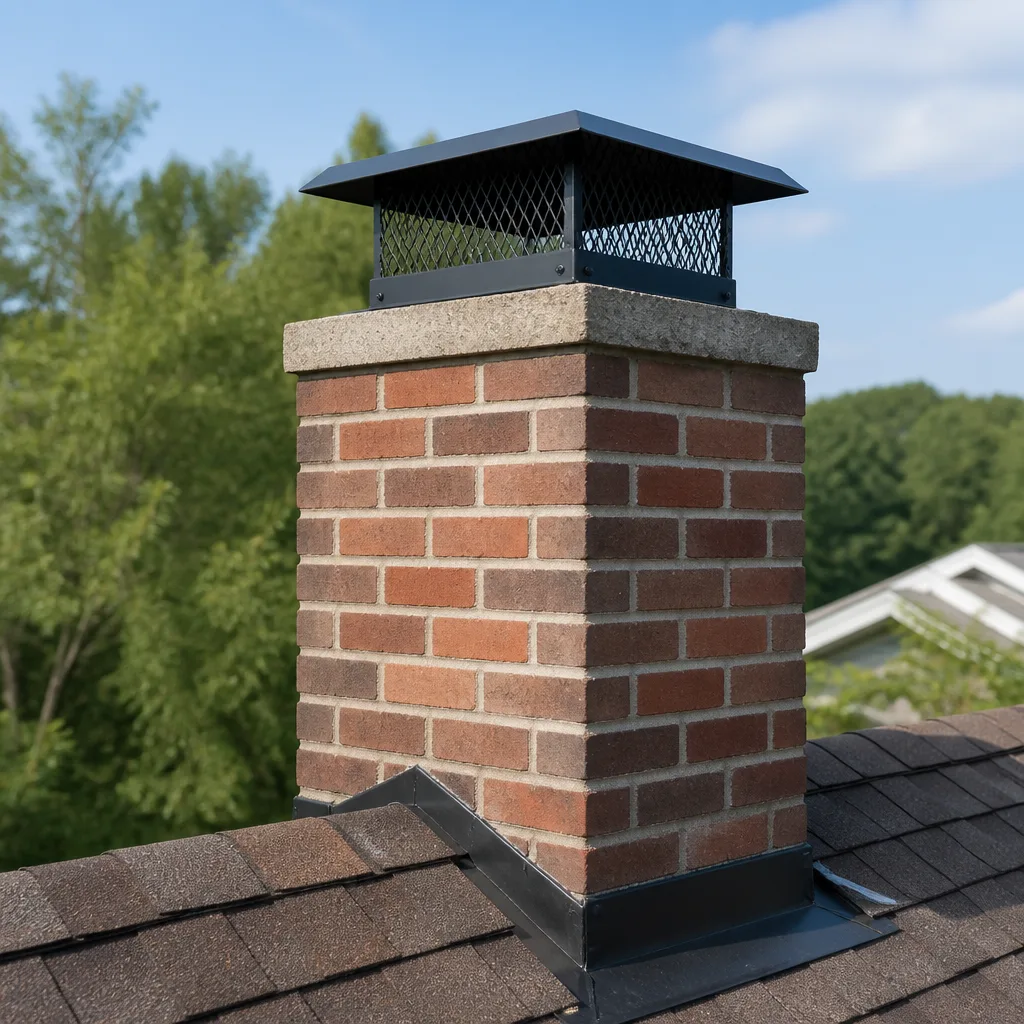
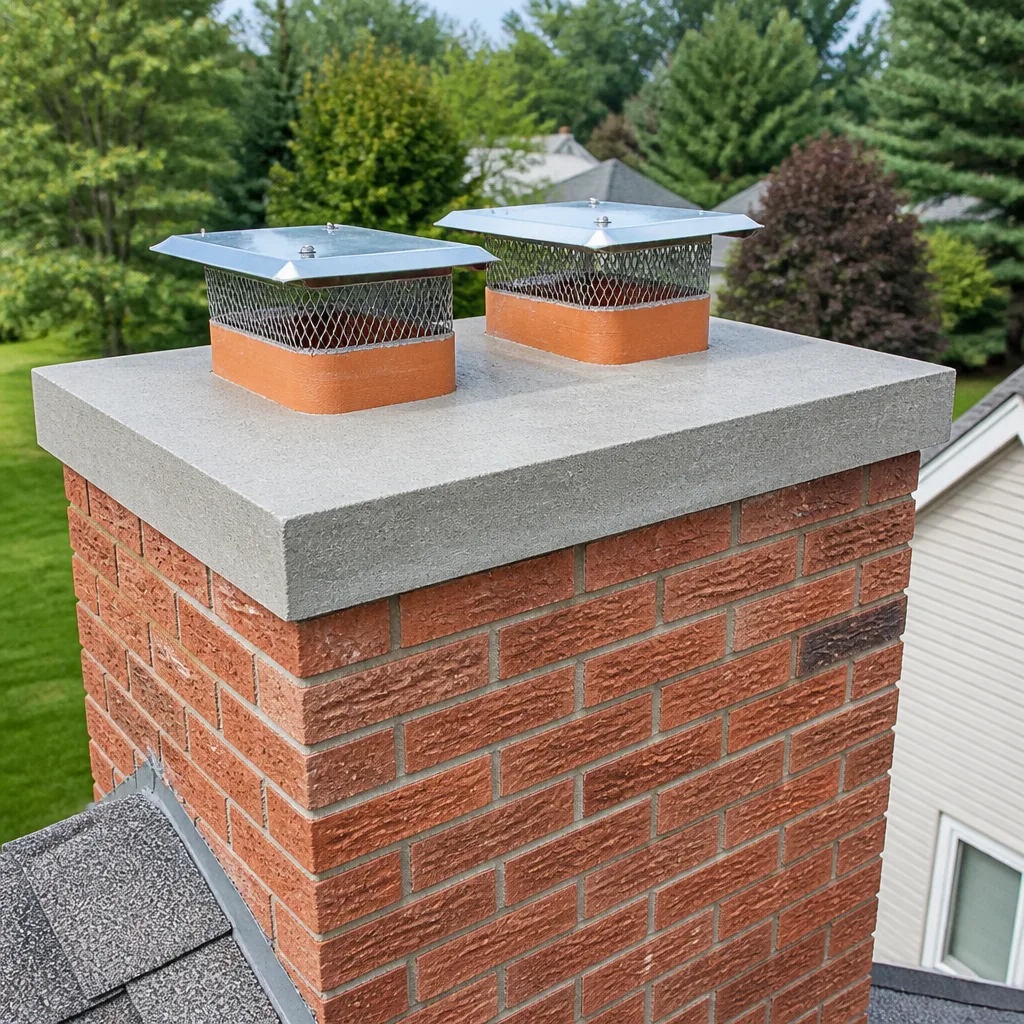
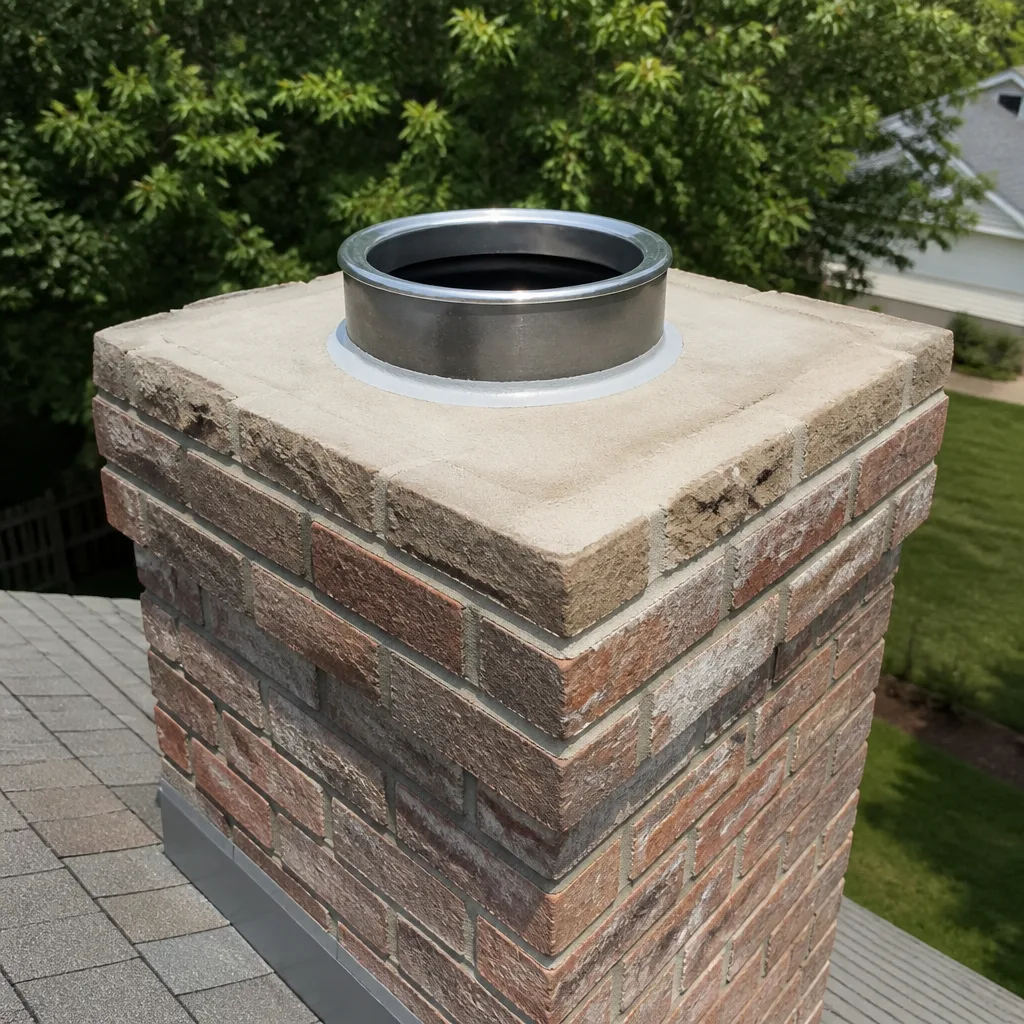
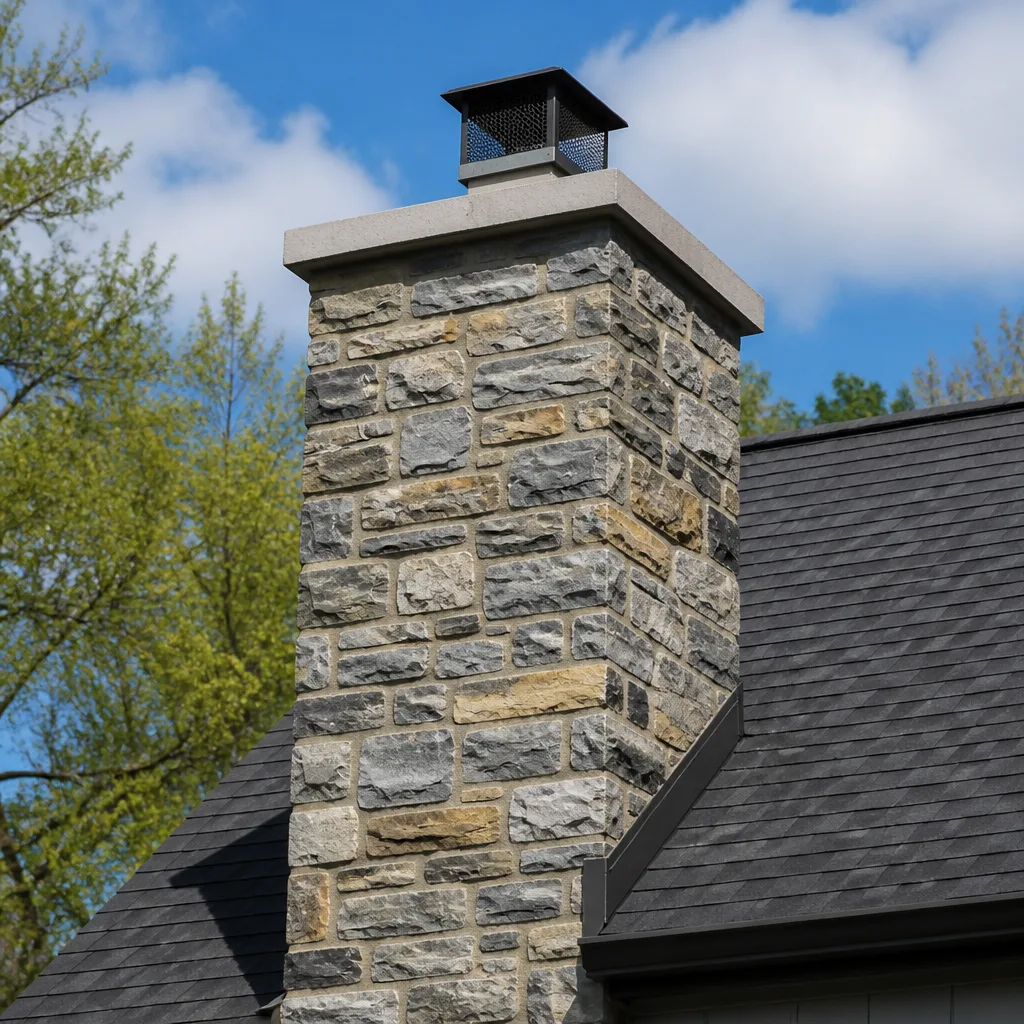
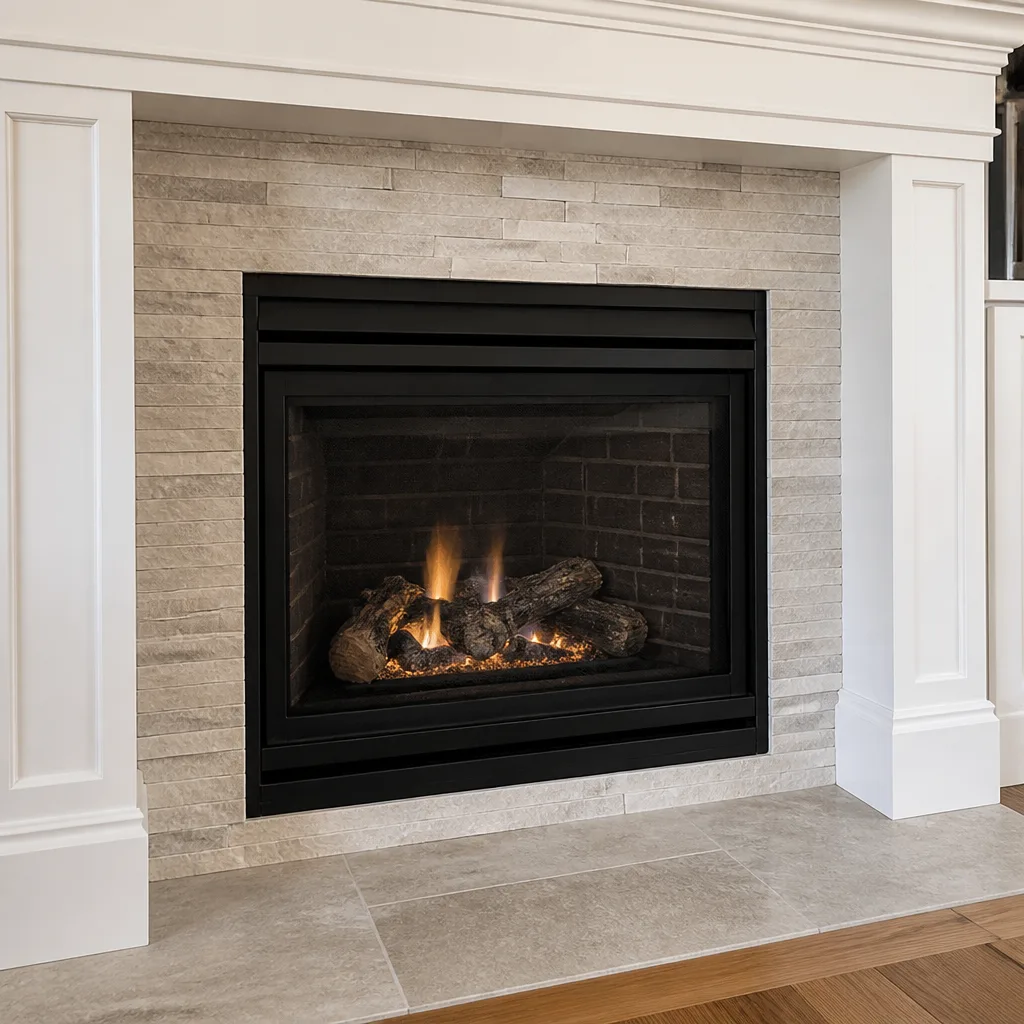
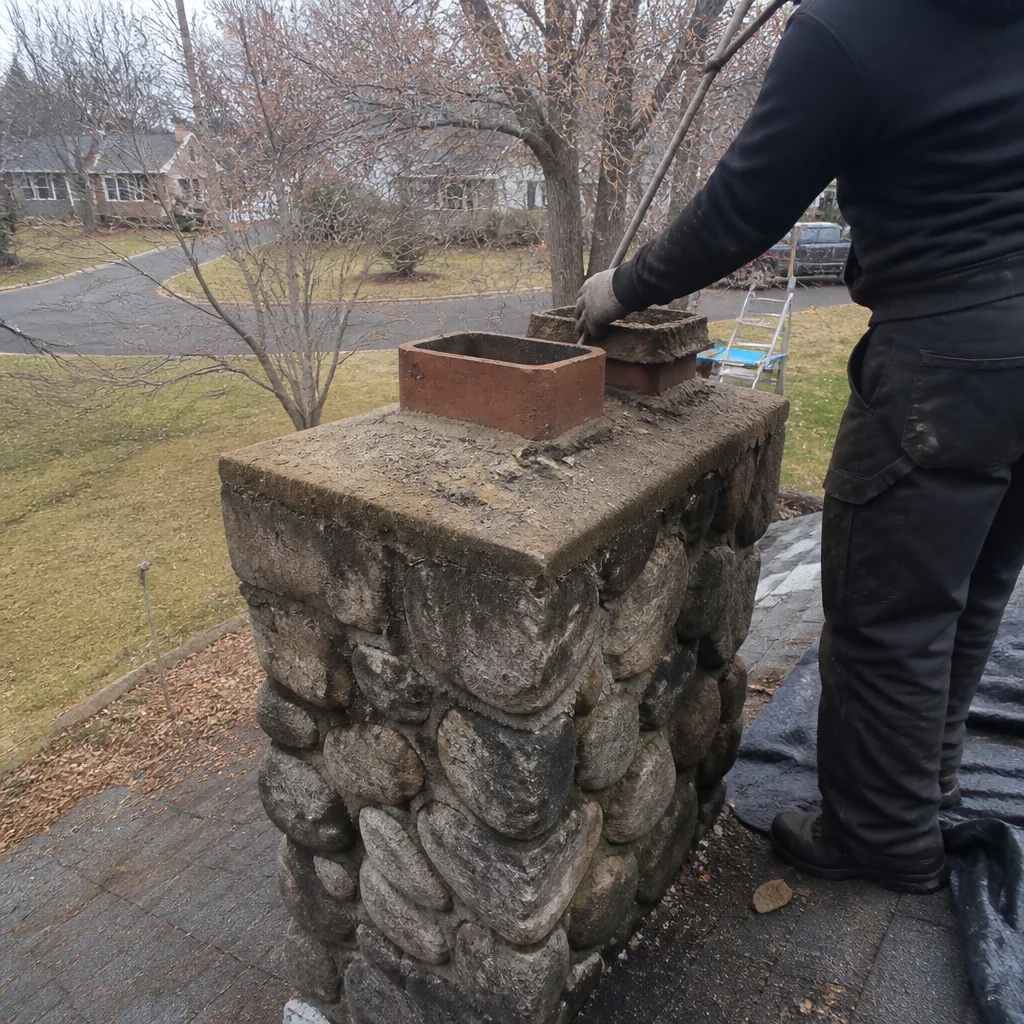 Before
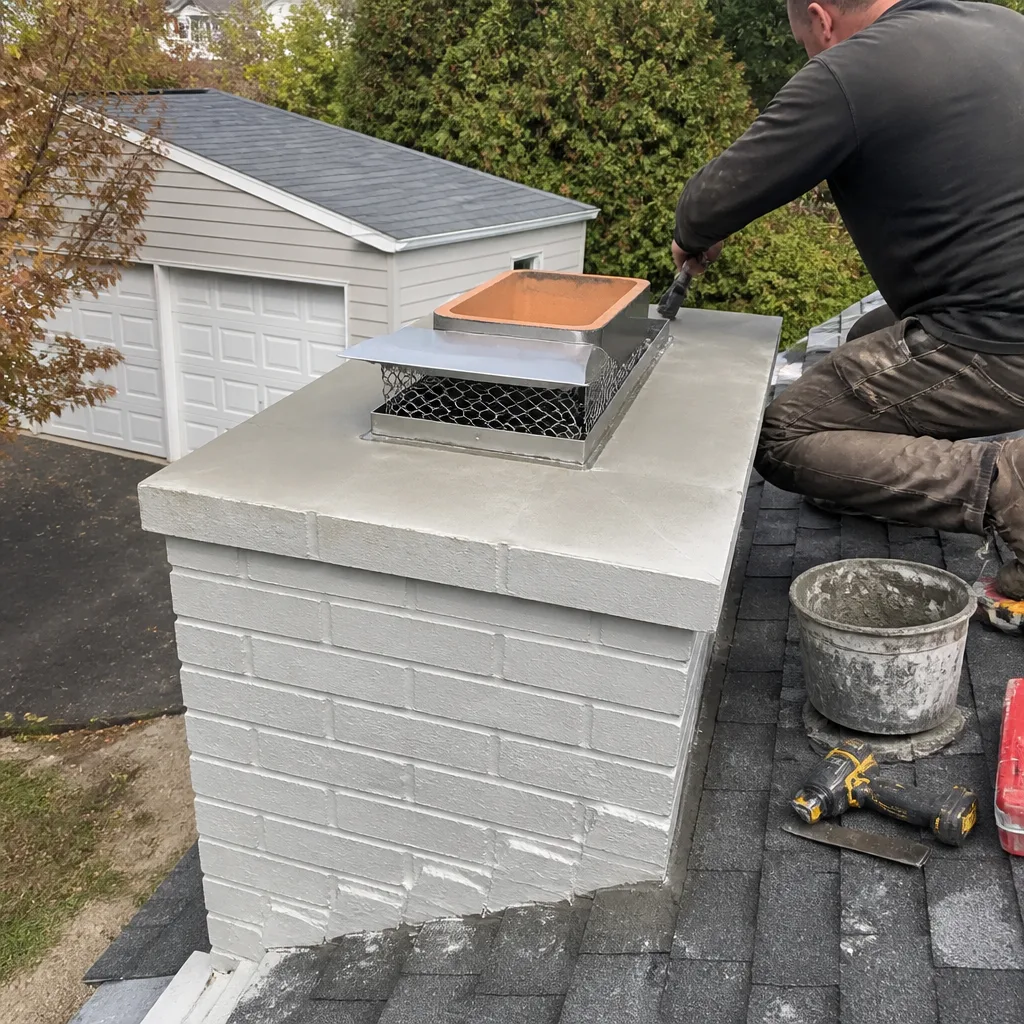 After
After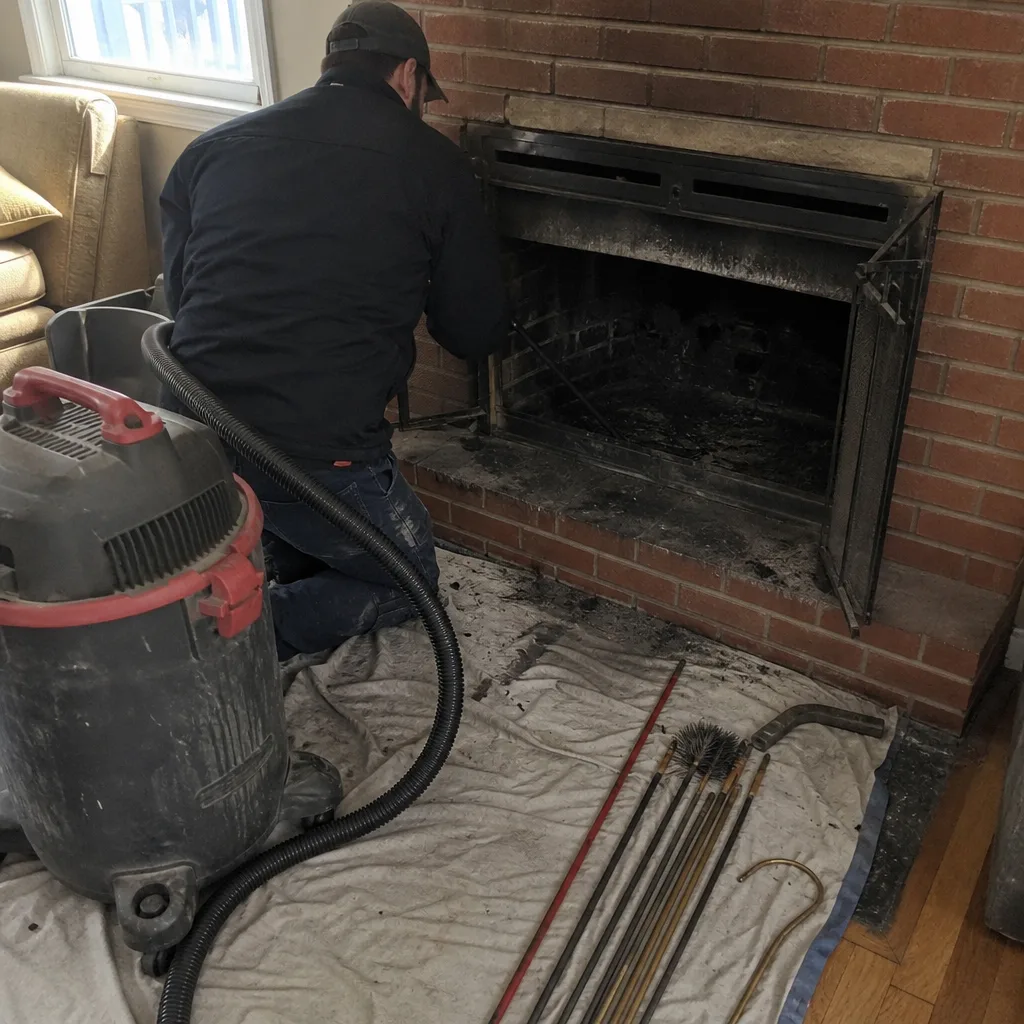 Before
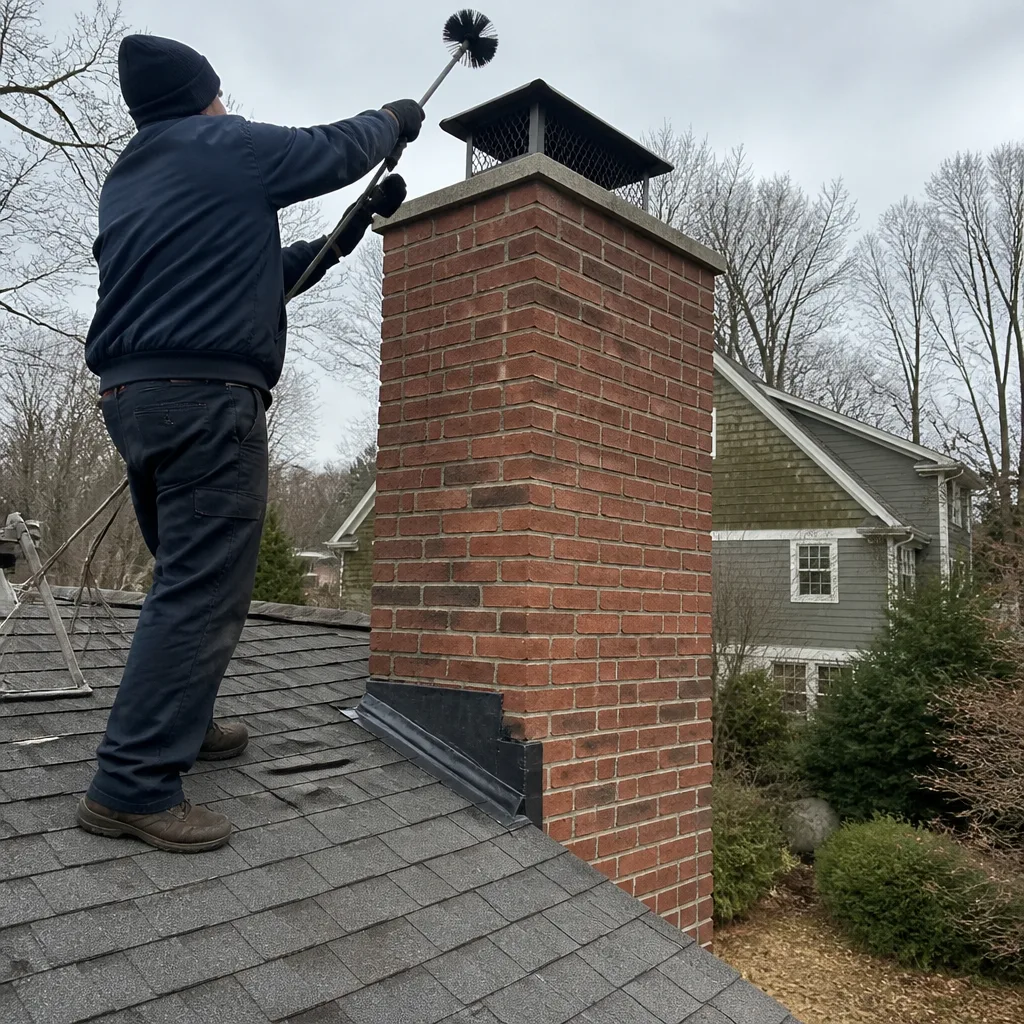 After
After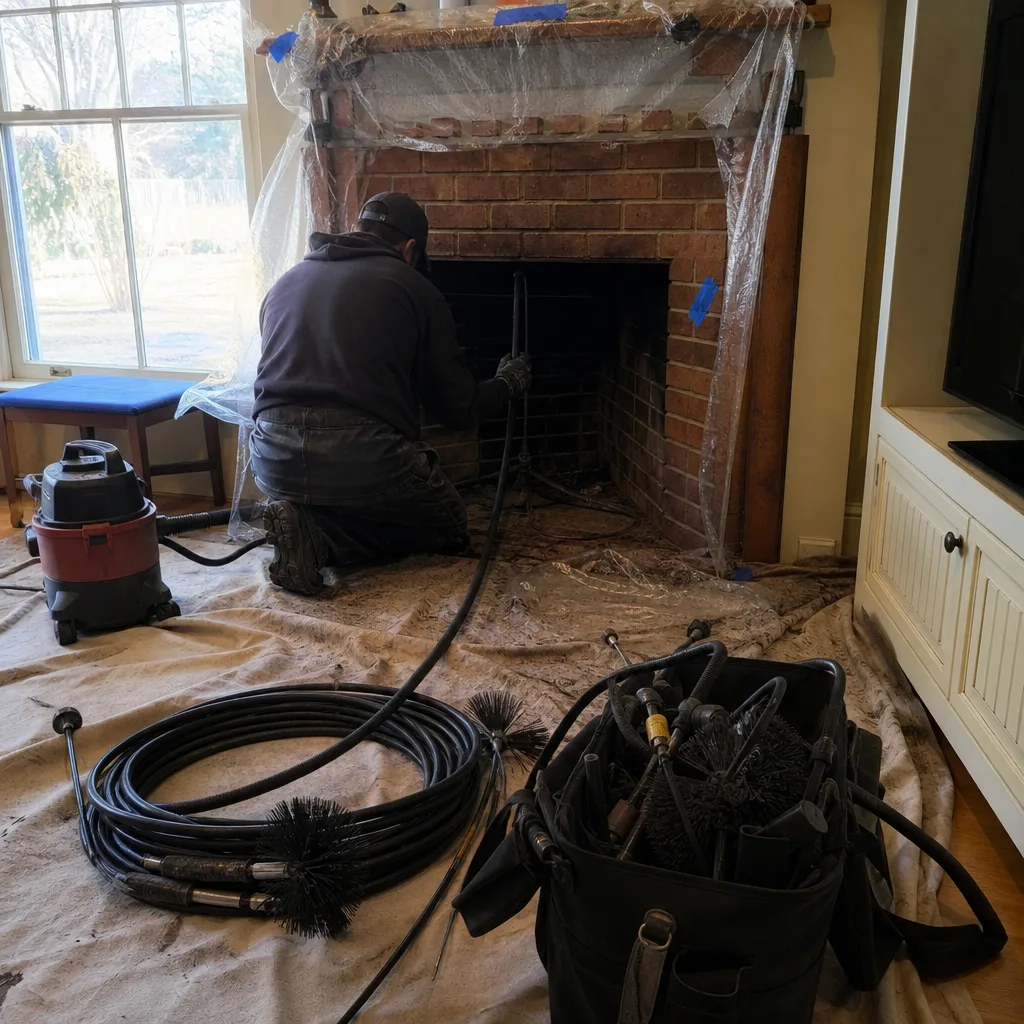 Before
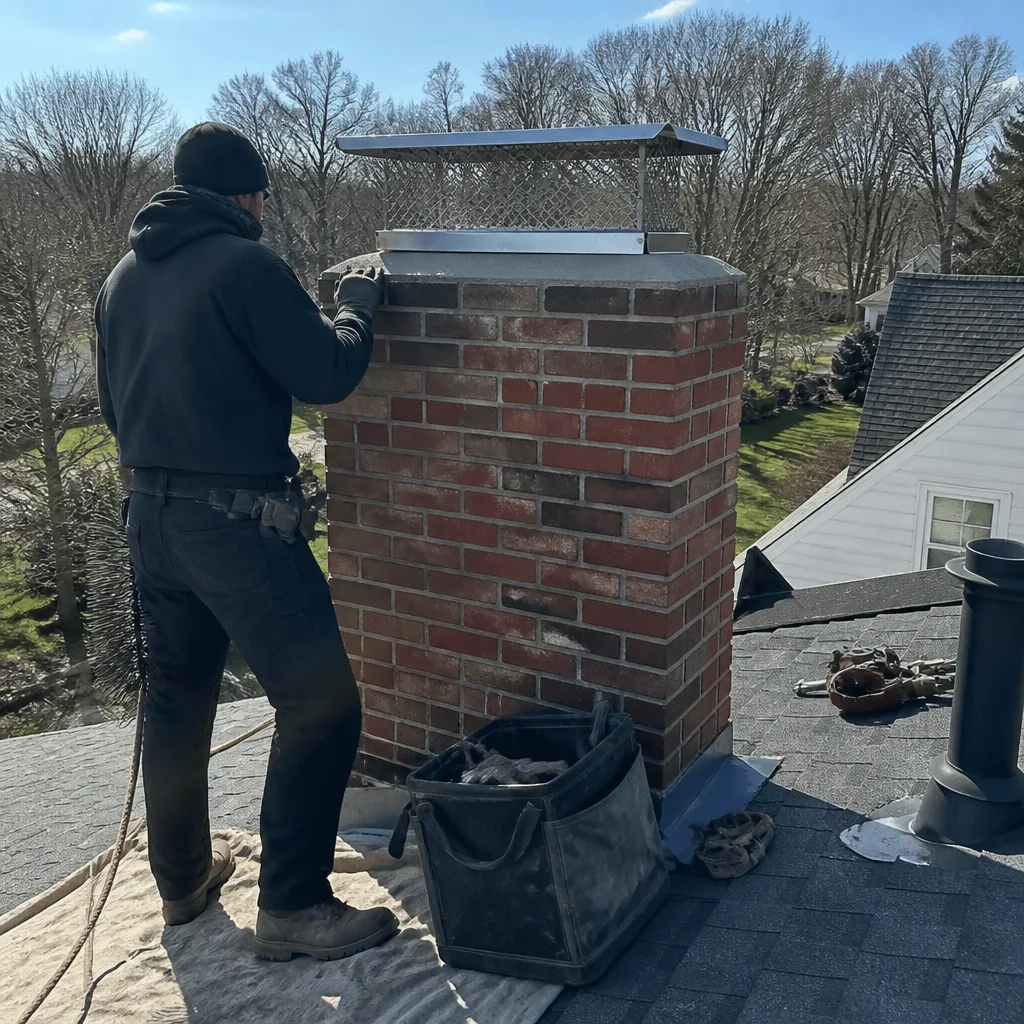 After
AfterChimney Cleaning & Sweep Maintenance Checklist for West Hartford Homeowners
The most dangerous item on any chimney checklist is the checkbox next to “looks fine from the firebox.” Glazed third-degree creosote - the kind that ignites like tar - is often invisible from below without a flue camera. In West Hartford, where our first hard frost typically arrives by late October and heating season stretches into April, that hidden buildup has six months to harden into fuel. We’ve pulled solidified creosote from flues in Elmwood and Charter Oak that looked perfectly clean to the homeowner. This guide shows you what you can safely check yourself, what demands professional tools, and how to keep honest records that protect your home and your wallet. For The Complete Guide to Chimney Cleaning in West Hartford, see our companion resource.
Quick Answer
West Hartford homeowners should complete chimney maintenance in three phases: fall preparation before first use, mid-season monitoring during peak heating months, and spring assessment after shutdown. Tasks range from simple visual checks you can do with a flashlight to Level-2 camera inspections that reveal hidden creosote, liner gaps, and crown damage. A documented photo record of each phase, paired with a written professional report, is the only reliable way to separate routine maintenance from urgent repair.
Table of Contents
- Seasonal Task Breakdown for West Hartford’s Heating Season
- What Homeowners Can Check With a Flashlight
- What Requires Professional Tools and Training
- How to Log Chimney Condition Over Time
- The Three Components Most Homeowners Skip
- How to Cross-Reference a Contractor’s Written Report
- Common Mistakes to Avoid
- When to Call a Professional
- Frequently Asked Questions
Seasonal Task Breakdown for West Hartford’s Heating Season
West Hartford’s climate demands a maintenance rhythm calibrated to real weather patterns, not generic calendar reminders. Our first frost typically lands between October 15 and 25, and sustained sub-freezing nights begin by November. The heating season runs roughly 180 days, often longer in hillside neighborhoods like Buena Vista where cold air settles. Here’s how we advise homeowners to time their work.
Fall Preparation (September 15 - October 15)
This is your critical window. Schedule our Chimney Cleaning & Sweep services before demand peaks. Waiting until mid-October often means two-week delays, and using a fireplace before inspection risks igniting summer accumulation.
- Clear the firebox of old ash down to bare brick or metal. Ash left over summer absorbs moisture and accelerates corrosion.
- Check the damper for smooth operation. It should open fully and seal tightly when closed. A stuck damper is a carbon monoxide risk.
- Inspect visible firebox brick and mortar for spalling, cracking, or missing pieces. Tap gently; hollow sounds indicate separation behind the surface.
- From ground level, use binoculars to scan the chimney crown and cap for obvious damage, leaning, or missing components.
- Test smoke and carbon monoxide detectors. Replace batteries regardless of indicator status.
- Schedule professional Chimney Cleaning & Sweep in West Hartford with Level-2 inspection.
Mid-Season Monitoring (December - February)
During peak use, watch for Chimney Cleaning Warning Signs: A West Hartford Homeowner’s Reference Guide that signal developing problems. West Hartford’s freeze-thaw cycles in January are particularly hard on exterior masonry.
- Smoke rollout into the room on startup, even briefly, indicates downdraft or blockage.
- Unusual odors, especially a chemical or asphalt smell, suggest creosote overheating.
- Reduced draft requiring you to crack a window means the system is struggling.
- White efflorescence or new staining on exterior brick signals water infiltration.
- Soot accumulation on furniture near the fireplace indicates incomplete combustion or negative pressure.
Spring Assessment (March - April)
After final use, document condition while it’s fresh. Spring rains in West Hartford reveal leaks that dry periods hide.
- Photograph the firebox, damper, and any interior surfaces after final cleaning.
- Inspect exterior masonry for new cracks, especially after winter’s thermal cycling.
- Check the chimney cap and crown for damage from ice expansion.
- Schedule any deferred repairs before fall demand returns.
- File your inspection report and photos with home maintenance records.
What Homeowners Can Check With a Flashlight
There’s honest work you can do yourself, and there’s work that only creates false confidence. We respect the homeowner who knows the difference. These checks require no special tools and carry no safety risk if performed as described.
The Firebox Inspection
With a bright flashlight, examine all interior surfaces. Look for:
- Cracked or missing firebrick, especially at the rear wall where heat concentrates
- Deteriorated mortar joints wider than 1/4 inch
- Rust on metal fireboxes or dampers, indicating moisture entry
- Debris, bird nests, or animal droppings (if found, do not light a fire - call for removal)
The Damper Test
Open and close the damper fully several times. It should move smoothly without grinding. When closed, hold a lit incense stick near it; smoke should not drift upward. When open, smoke should draw readily. A damper that won’t seal wastes heat all winter.
The Hearth and Surround Check
Inspect for heat-related damage to flooring, mantels, or adjacent walls. Required clearances vary by installation, but any charring, discoloration, or bubbling paint is an immediate stop-use condition.
The Exterior Ground-Level Scan
From the ground, use binoculars to examine:
- Chimney cap: present, secure, with intact mesh screening
- Crown: no visible cracks, no pooling water, no missing pieces
- Flashing: no lifted edges, no rust streaks on siding below
- Brick and mortar: no spalling (flaking surface), no significant mortar loss
What you cannot see from below: the flue interior, smoke chamber, liner condition, or crown underside. These require a camera and trained interpretation. We’ve seen homeowners in West Hartford’s older homes - pre-war construction in areas like Elmwood - assume a clean firebox means a clean system. The flue above can be a different story entirely.
What Requires Professional Tools and Training
This is where we draw the line clearly. The following assessments require equipment and expertise that justify the cost. Attempting to substitute a visual check is how chimney fires start and carbon monoxide enters bedrooms.
Level-2 Camera Inspection
NFPA 211, the standard referenced by West Hartford building officials, requires a Level-2 inspection at property transfer and after any chimney fire or structural event. It includes:
- Video scanning of the entire flue interior with a high-resolution camera on a flexible rod
- Documentation of creosote type and thickness (stages 1, 2, or 3 - only stage 1 brushes off easily)
- Liner inspection for gaps, cracks, or deterioration
- Smoke chamber evaluation for proper parging and clearance
At Hearthstone Chimney Co. home, our Level-2 inspections end with photos you can see and a plain-English verdict. No jargon, no pressure. If it’s clean, we say so. If there’s glazed creosote or liner damage, we show you exactly where and explain why it matters.
Combustion Analysis
Gas fireplace and insert performance requires measurement of CO levels, oxygen percentage, and draft pressure. These numbers determine whether the unit operates in safe ranges. Homeowners cannot assess this without calibrated equipment.
Crown and Flashing Repair
Crown sealing with professional-grade materials like those from HeatShield or Copperfield requires proper surface preparation and application technique. Amateur crown coatings fail within a season in New England’s climate. Flashing repair demands removal and replacement, not caulk over the old seal.
Liner Evaluation and Replacement
Clay tile liners crack from thermal shock and settle over decades. Stainless steel liners from DuraFlex require proper sizing and insulation to meet code. A liner that looks intact from the firebox can have hidden fractures that only camera inspection reveals. In West Hartford’s 1920s and 1930s housing stock, we’ve found original liners with multiple cracked tiles that appeared sound from below.
How to Log Chimney Condition Over Time
A simple photo record transforms vague memory into documented evidence. This practice has saved our customers thousands in disputed insurance claims and unnecessary repairs.
What to Photograph and When
- Fall, pre-season: Firebox before cleaning, damper open and closed, exterior from ground level
- Post-inspection: Request copies of the professional camera footage, or photograph the inspector’s screen showing any findings
- Mid-season, if issues arise: Any smoke rollout, staining, or performance changes
- Spring, post-season: Firebox after final cleaning, exterior after winter’s damage
How to Organize Files
Create a dedicated folder with naming convention: Address_Year_Season. Include the professional inspection report PDF. Store copies off-site or in cloud storage. If you ever need to file an insurance claim for chimney-related fire or water damage, this documentation establishes pre-loss condition and maintenance history. It also protects against inflated repair estimates by providing a baseline for comparison.
When Documentation Matters Most
West Hartford’s real estate market moves quickly, and pre-listing inspections are common. A complete photo and report history demonstrates diligence to buyers and can prevent last-minute repair demands. We’ve provided documentation for homeowners in neighborhoods like West Hill and Fernwood that resolved inspector concerns without costly remediation.
The Three Components Most Homeowners Skip
These elements are out of sight and therefore out of mind. Each has specific failure modes that create serious risk.
The Smoke Chamber
The smoke chamber is the area above the damper and below the flue. It should be smooth, with sloping walls that guide smoke into the flue. Rough, corbeled brick or deteriorated parging creates turbulence that deposits creosote and reduces draft. NFPA 211 requires proper parging, yet many older West Hartford homes have never had this addressed. A smoke chamber problem cannot be seen from the firebox without a mirror and light, and often not clearly then. Camera inspection is the only reliable assessment.
Damage from omission: accelerated creosote buildup, poor draft, smoke rollout, and in severe cases, structural fire as heat transfers to combustible framing through thin or missing parging.
The Rain Cap
The cap is not decorative. It prevents water entry, keeps animals out, and blocks wind-induced downdrafts. A missing or damaged cap is an open invitation to water damage and nesting animals. We’ve removed squirrel nests, starling colonies, and even raccoon dens from uncapped chimneys in West Hartford’s tree-lined neighborhoods.
Damage from omission: water-saturated flue liners that crack in freeze-thaw cycles, blocked flues from nests, and in gas systems, debris that obstructs venting and creates CO hazard. Quality caps from Famco or Copperfield with proper screening last decades when properly installed.
The Crown
The crown is the concrete or mortar slab that seals the chimney top around the flue. It is not the same as the cap. A proper crown slopes away from the flue and overhangs the brick edge to shed water. Crowns crack from thermal cycling, improper mix, or absence of expansion joints.
Damage from omission: water infiltration that destroys flue liners, rusts metal components, and saturates interior masonry. In West Hartford’s climate, a cracked crown left through one winter typically becomes a $1,500-$3,000 rebuild instead of a $400-$800 seal. Crown sealing with professional-grade materials is preventive maintenance with clear return.
How to Cross-Reference a Contractor’s Written Report
This is where homeowners protect themselves from unnecessary work. A legitimate report should be specific, photographic, and cross-checkable against your own observations.
Red Flags in Contractor Reports
- Vague language: “flue needs attention” without specifying what, where, and why
- No photographs or video documentation of claimed damage
- Recommendations without corresponding code or safety references
- Pressure to decide immediately; legitimate hazards allow time for second opinions
- Estimates that diverge significantly from documented scope without explanation
Intelligent Questions to Ask
- “Show me the exact location on the photo or video.” Every claim should point to evidence.
- “What code section does this violate?” Reputable sweeps cite NFPA 211 or local amendments.
- “What happens if I defer this repair?” Honest professionals distinguish urgent safety issues from prudent maintenance.
- “Is this condition documented in my file from previous inspections?” Established companies maintain records.
- “What would a second opinion likely confirm or challenge?” We welcome this question. Our Free Second Opinion on any written estimate exists because informed customers become long-term customers.
Matching Report to Your Checklist
Compare the contractor’s findings against your own photo log. If they report crown cracking, check your spring exterior photos. If they recommend liner replacement, ask to see the camera footage of the specific damage. At Chimney Repair in West Hartford, we explain our findings until you understand them. No work proceeds without agreement on what we’re solving and why.
Our no-hassle upfront pricing means the number on the estimate is the number on the invoice. No surprises, no scope expansion after work begins. A square deal: no surprises on the bill.
Common Mistakes to Avoid
- Assuming a clean firebox means a clean flue. Creosote deposits heaviest in the cooler upper flue, invisible from below. We’ve removed 1/4-inch glazed buildup from flues whose fireboxes looked pristine.
- Using the fireplace before first-fall inspection. Summer moisture, animal nests, and structural damage from winter storms all create hazards that a quick light-off will not reveal until too late.
- Accepting a “visual inspection” as sufficient. In West Hartford’s older housing stock, visual inspection from the firebox misses the majority of serious conditions. Demand camera documentation.
- Ignoring the smoke chamber. This is the most commonly omitted component in amateur and low-cost professional inspections. It is also a frequent source of house fires when deteriorated.
- Deferring crown repair based on ground-level appearance. Crown damage often begins on the underside or at the flue interface, invisible without rooftop access. By the time it’s visible from below, water damage is extensive.
- Failing to maintain photo records between professional visits. Without documentation, you cannot verify whether claimed damage is new, progressive, or pre-existing. This leaves you dependent entirely on the contractor’s characterization.
- Hiring based on lowest price without verifying scope. A $99 “sweep and inspect” that excludes camera work, smoke chamber evaluation, and written report is not equivalent to a proper Level-2 inspection. Compare deliverables, not just prices.
When to Call a Professional
Call for immediate inspection if you experience smoke rollout, unusual odors, visible flame or sparking outside the firebox, or carbon monoxide detector activation. Call before the heating season if your last professional inspection was over a year ago, if you’ve purchased the home, or if you’ve changed fuel types or appliances.
Call if your checklist reveals any of the following: damaged or missing cap, crown cracks, deteriorated mortar, rust on metal components, or damper malfunction. These conditions worsen with use and weather exposure.
Hearthstone Chimney Co. offers free estimates in West Hartford. A live person answers every call, 24 hours a day, 7 days a week - not a voicemail, not a callback queue. Our background-checked, uniformed technicians complete most jobs in a single visit, and every job is backed by our 90-Day Done Right Promise in writing. If it’s not right, we make it right. No arguing, no paperwork. Call (860) 743-1516 to schedule.
Frequently Asked Questions
Professional chimney sweeping in West Hartford typically ranges from $200 to $350 for a standard fireplace flue with Level-2 inspection included. Factors affecting price include accessibility, number of flues, and the condition found - heavy glazed creosote requires more time and specialized removal. Our $89 Seasonal Tune-Up offers exceptional value for qualifying systems. Call (860) 743-1516 for an exact quote; estimates are free.
You need a new liner only if the existing one is damaged, improperly sized, or absent - and only if that condition is documented with camera evidence you can see. Clay tile liners with isolated cracks may be repairable; multiple cracked tiles or significant gaps require replacement. Stainless steel liners from DuraFlex, properly insulated and sized, are the standard for relining. We show you the specific damage and explain options, including when deferral is safe. Call (860) 743-1516 for a camera inspection and plain-English verdict.
NFPA 211 recommends annual inspection, with sweeping frequency based on use and fuel. A wood-burning fireplace used as primary heat requires sweeping at least annually, often mid-season if used heavily. Occasional weekend use may extend to every two years if inspection confirms minimal buildup. West Hartford’s longer heating season means more annual burn hours than southern climates, so we see more frequent cleaning needs in homes with older, less efficient appliances. Gas systems require annual inspection but typically less frequent sweeping.
Skipped maintenance leads to creosote accumulation that ignites at 451°F - well within normal operating temperatures. Chimney fires damage liners, crack masonry, and can extend to structural framing. Blocked or damaged flues vent carbon monoxide into living spaces. Water infiltration destroys interior components and adjacent structure. In West Hartford, we’ve responded to chimney fires in January that began with creosote ignited by normal use, and to CO alarms triggered by blocked flues. Both were preventable with scheduled maintenance. The cost of prevention is a fraction of the cost of remediation.
You can remove light, powdery stage-1 creosote from a readily accessible fireplace flue with proper brushes and rods, but you cannot assess liner condition, smoke chamber integrity, or hidden buildup without a camera. Most homeowners lack the equipment and cannot safely access rooftop components. More critically, you cannot certify your work for insurance or real estate purposes. Professional sweeping includes documented inspection that self-service cannot replicate. For the cost of renting equipment and your time, professional service with warranty is typically the better value.
Demand photographic evidence of every recommended repair, specific code citations, and time to consider a second opinion. A contractor who resists any of these is a red flag. Cross-reference their findings against your own photo log and previous reports. At Hearthstone, our Free Second Opinion on any written estimate exists because we believe informed decisions build lasting relationships. No work proceeds without your understanding and agreement. Photos you can see, a plain-English verdict - that’s how we operate.
The Bottom Line
A useful chimney checklist separates what you can see from what you cannot, what you can safely do from what requires trained hands, and what needs immediate action from what can be planned. West Hartford’s heating season demands preparation before first frost, vigilance during peak use, and honest documentation year-round. The three hidden components - smoke chamber, rain cap, and crown - reward attention that ground-level checks cannot provide. Cross-reference every professional report against your own records, ask specific questions, and never accept vague recommendations without evidence. Done right, chimney maintenance is predictable and affordable. For more guides & resources, explore our blog. Done wrong or deferred, it becomes dangerous and expensive. We’ll be there when we say, we’ll show you what we find, and we’ll stand behind our work. Done right - and we stand behind it.
Written by Russell Haines, Owner at Hearthstone Chimney Co., serving West Hartford since 2014.