
Last updated September 10, 2026
Level 1 sweep and inspection to the NFPA 211 annual standard - flue, crown, cap, and flashing checked and photographed
Chimney sweep logs do not sweep chimneys. They loosen some creosote - which then falls where a brush and vacuum still have to collect it.
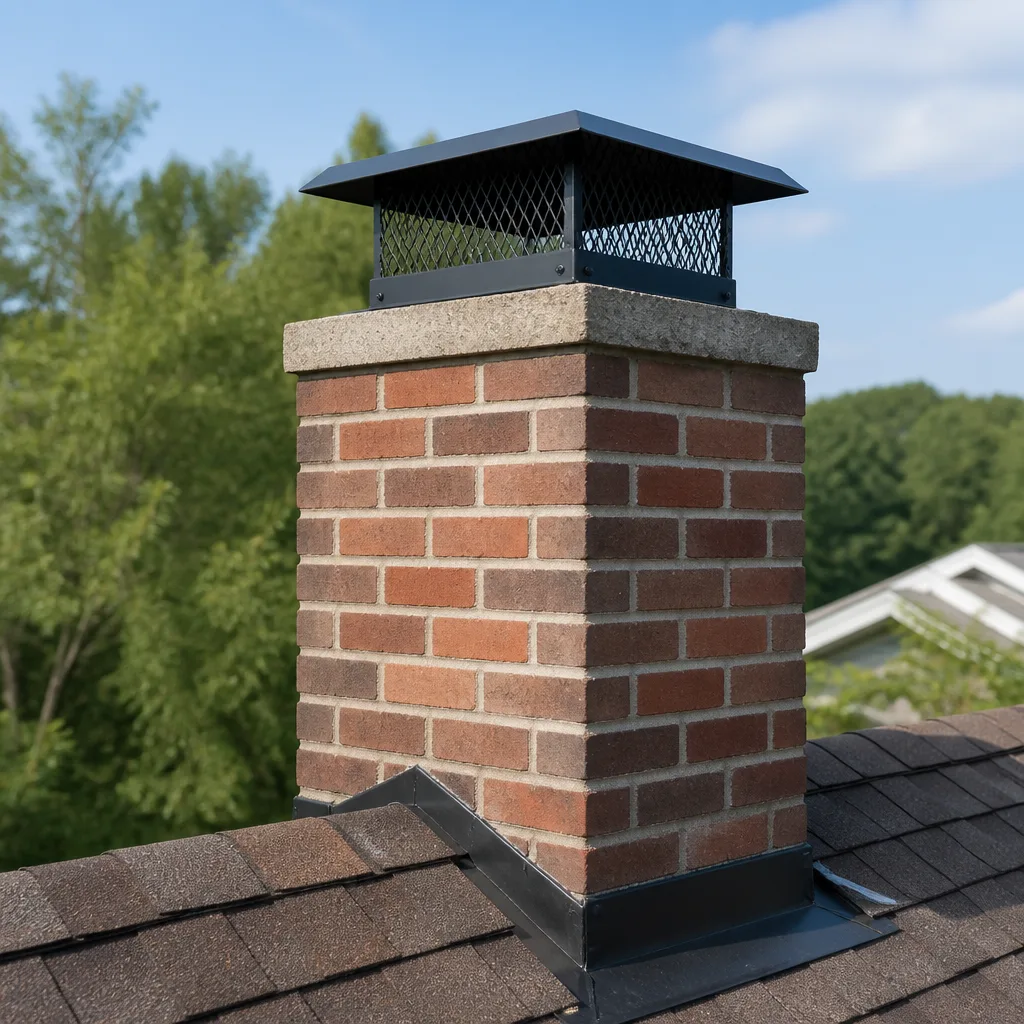
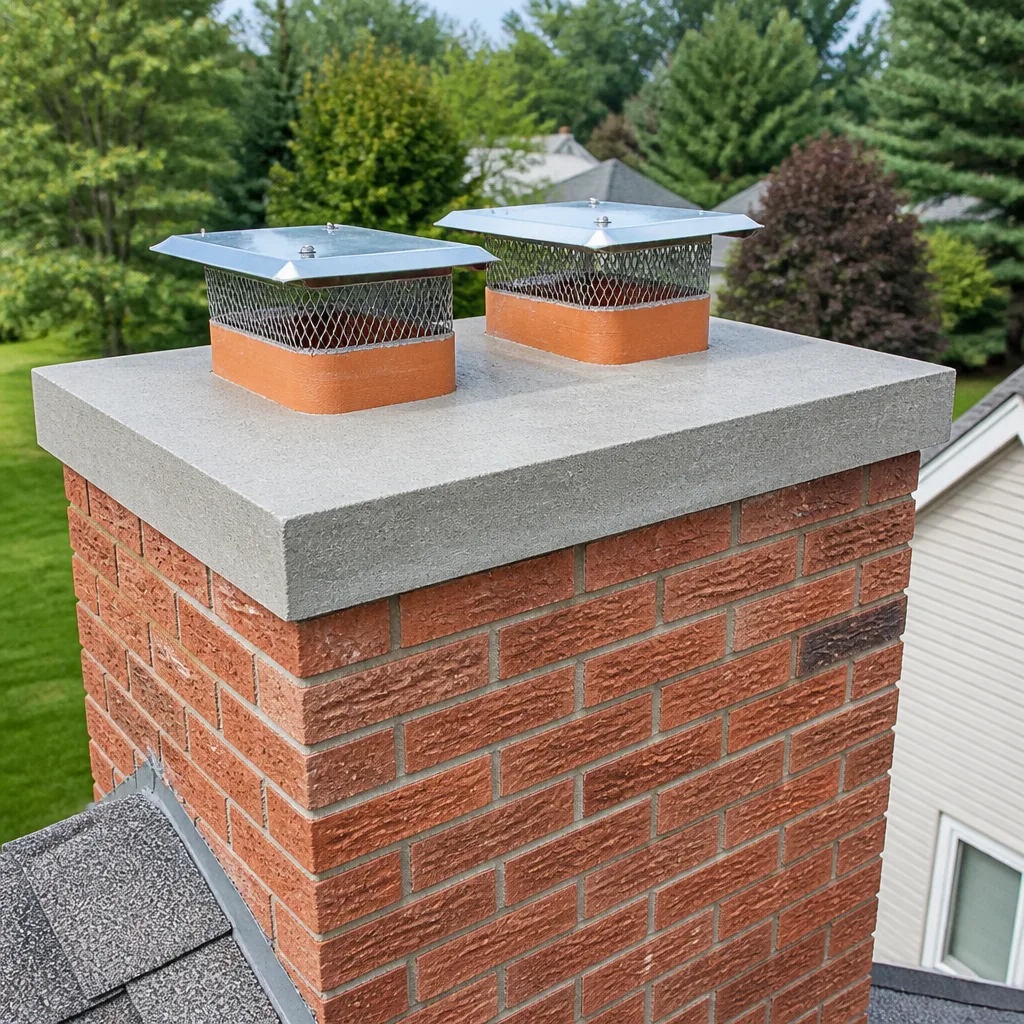
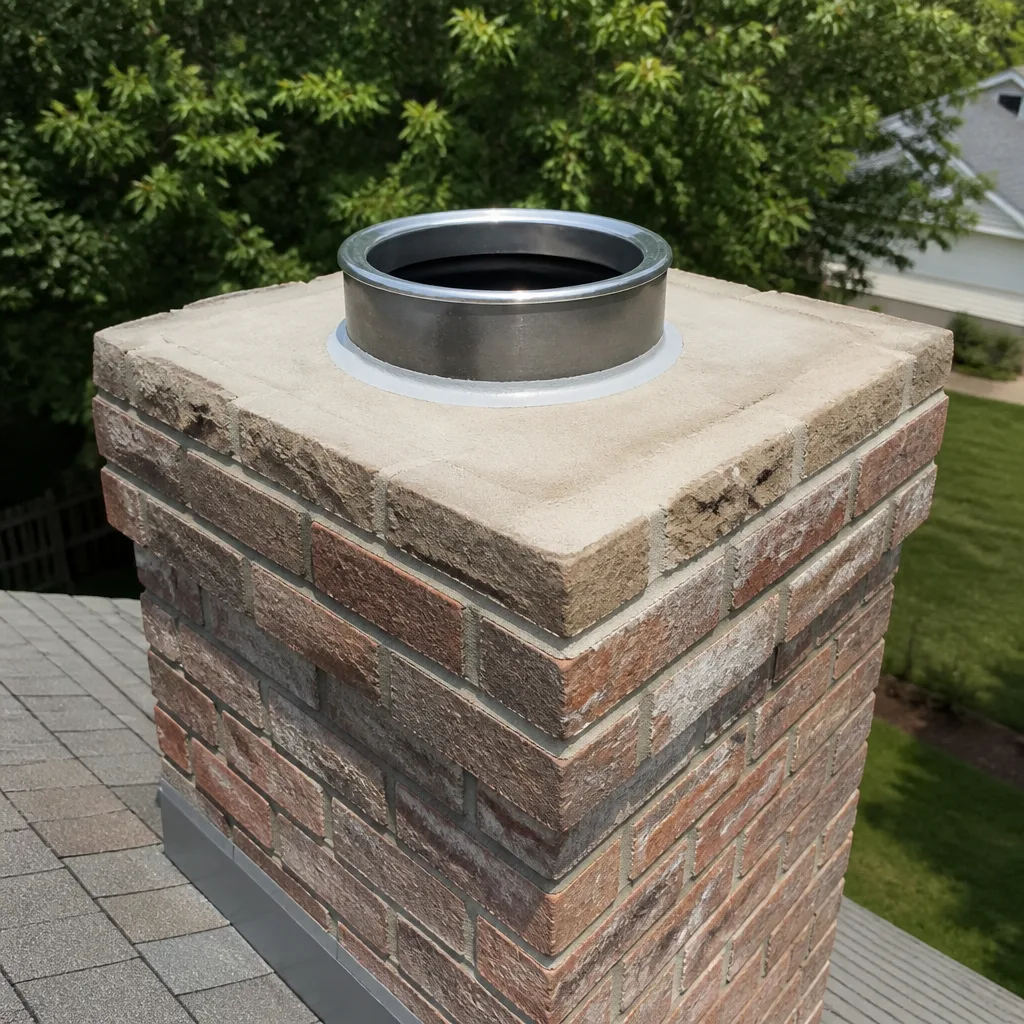
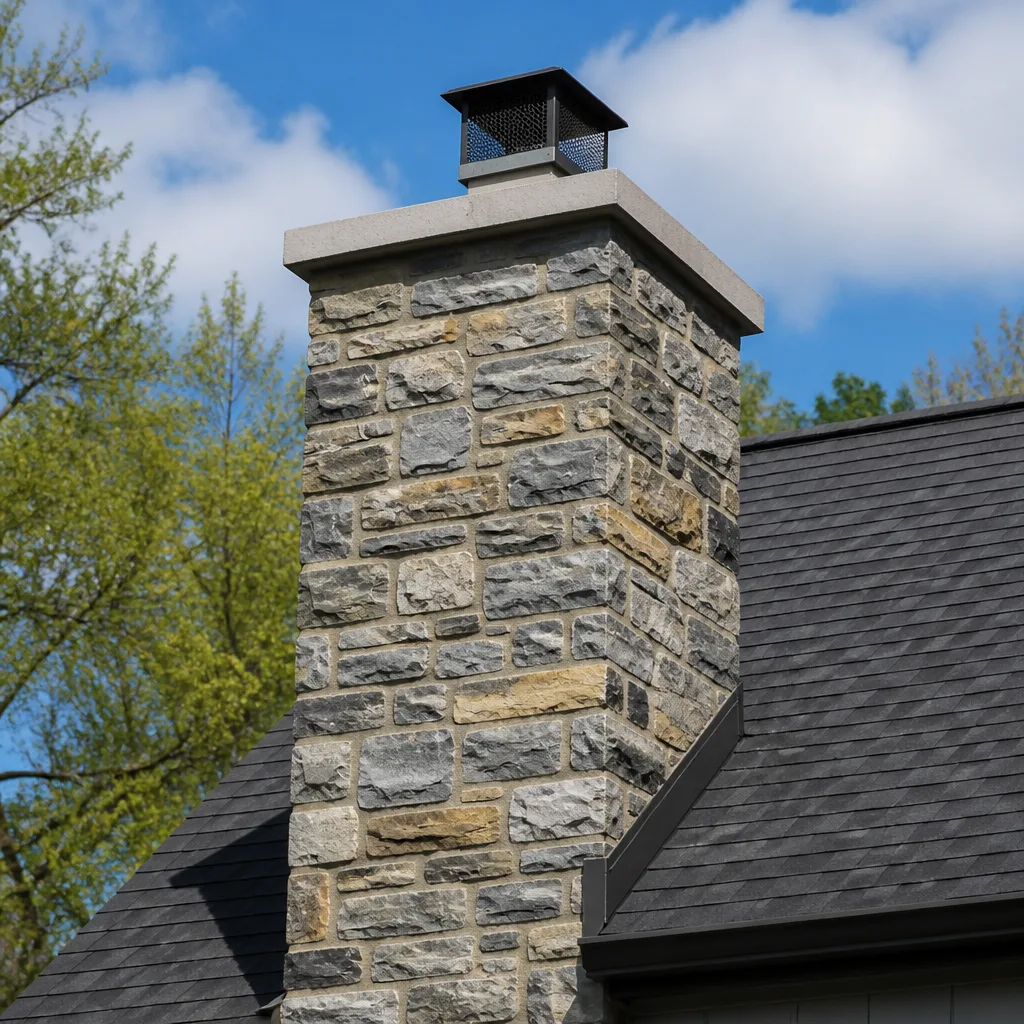
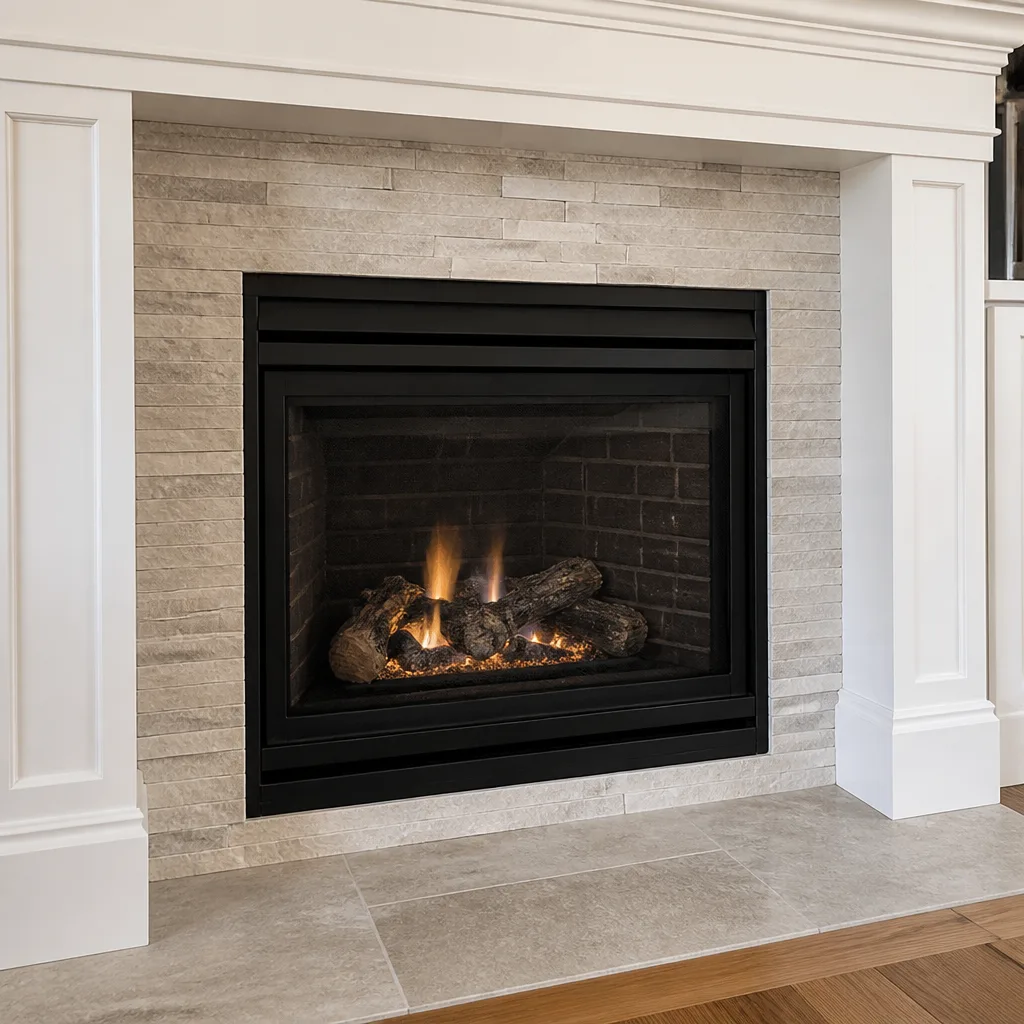
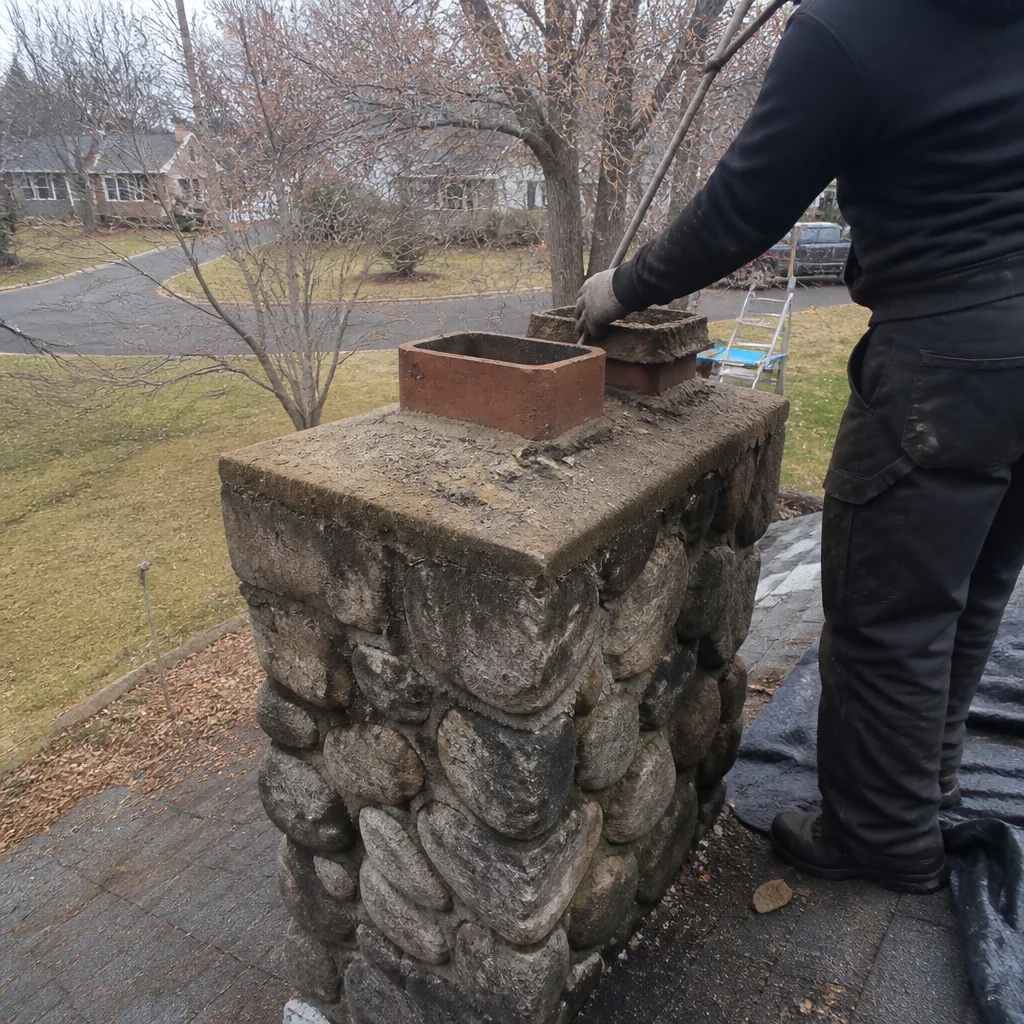 Before
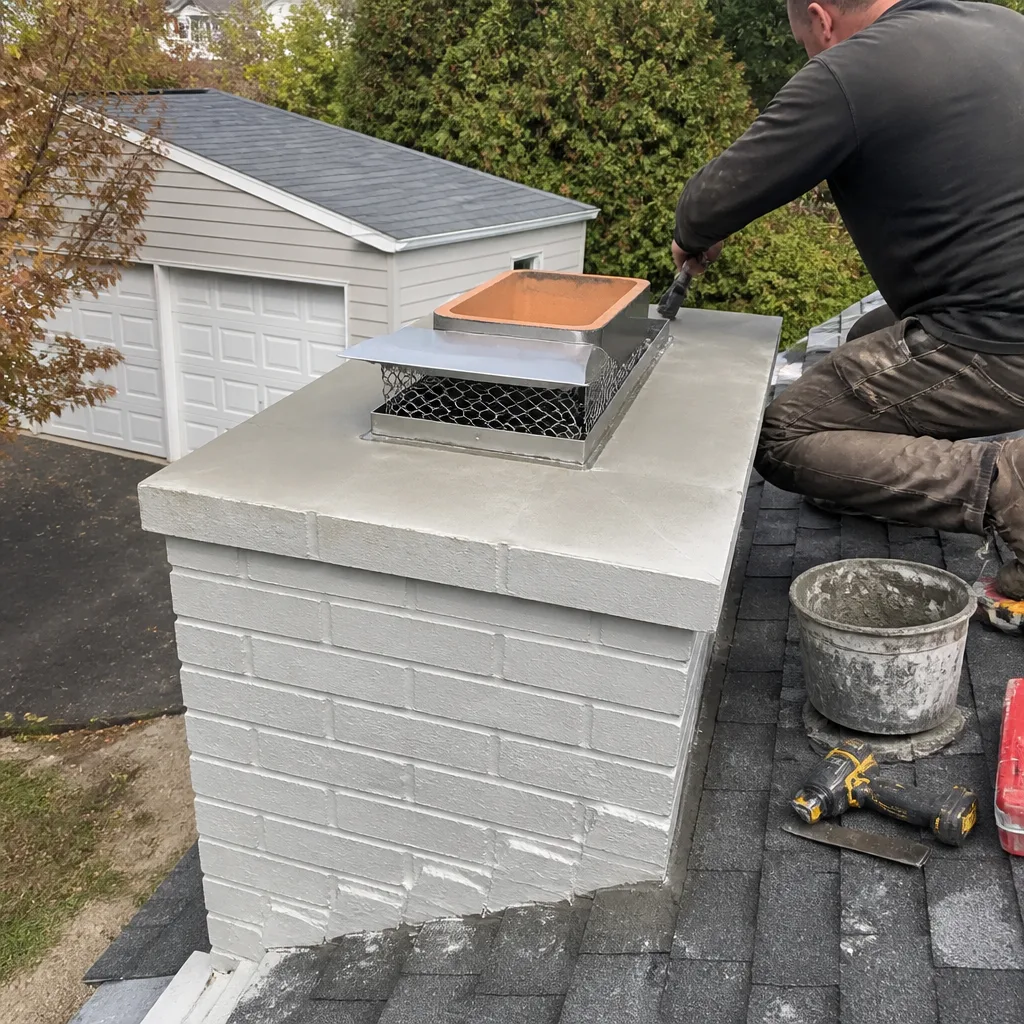 After
After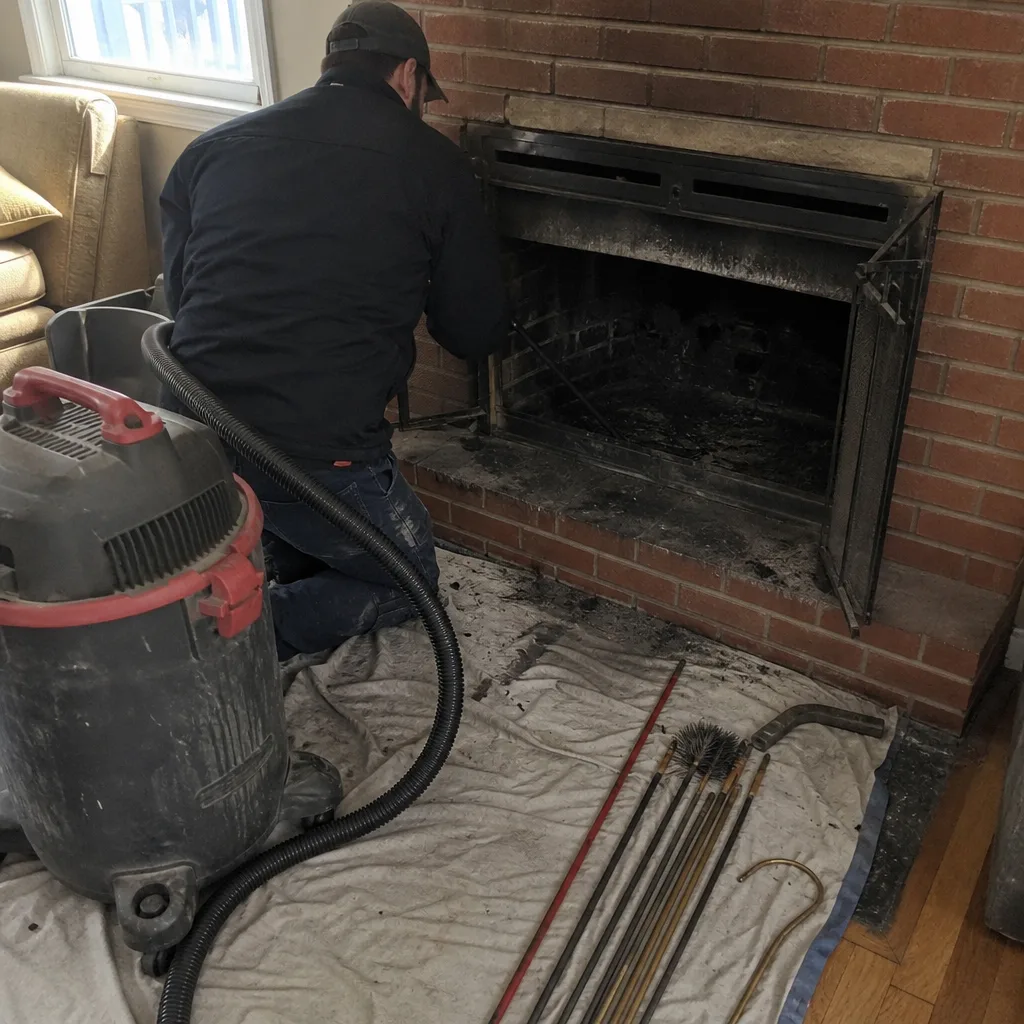 Before
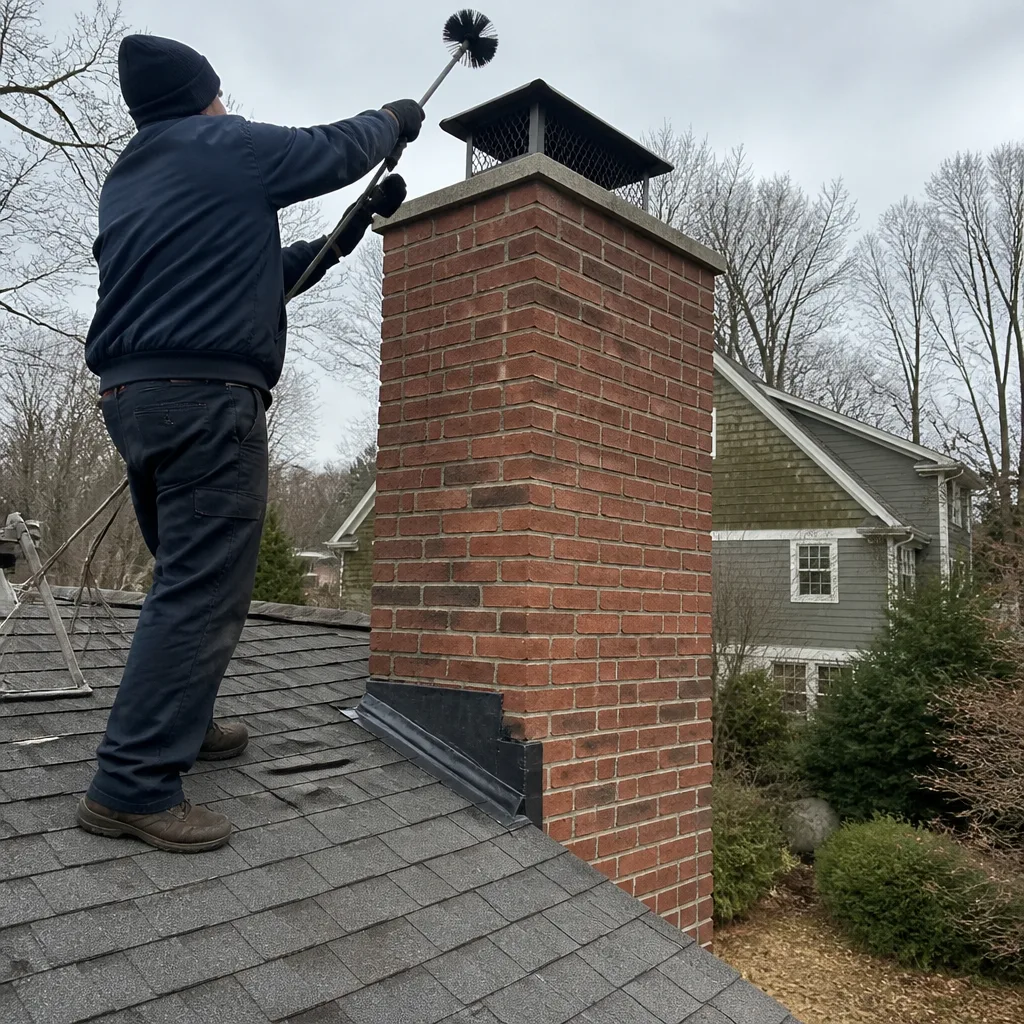 After
After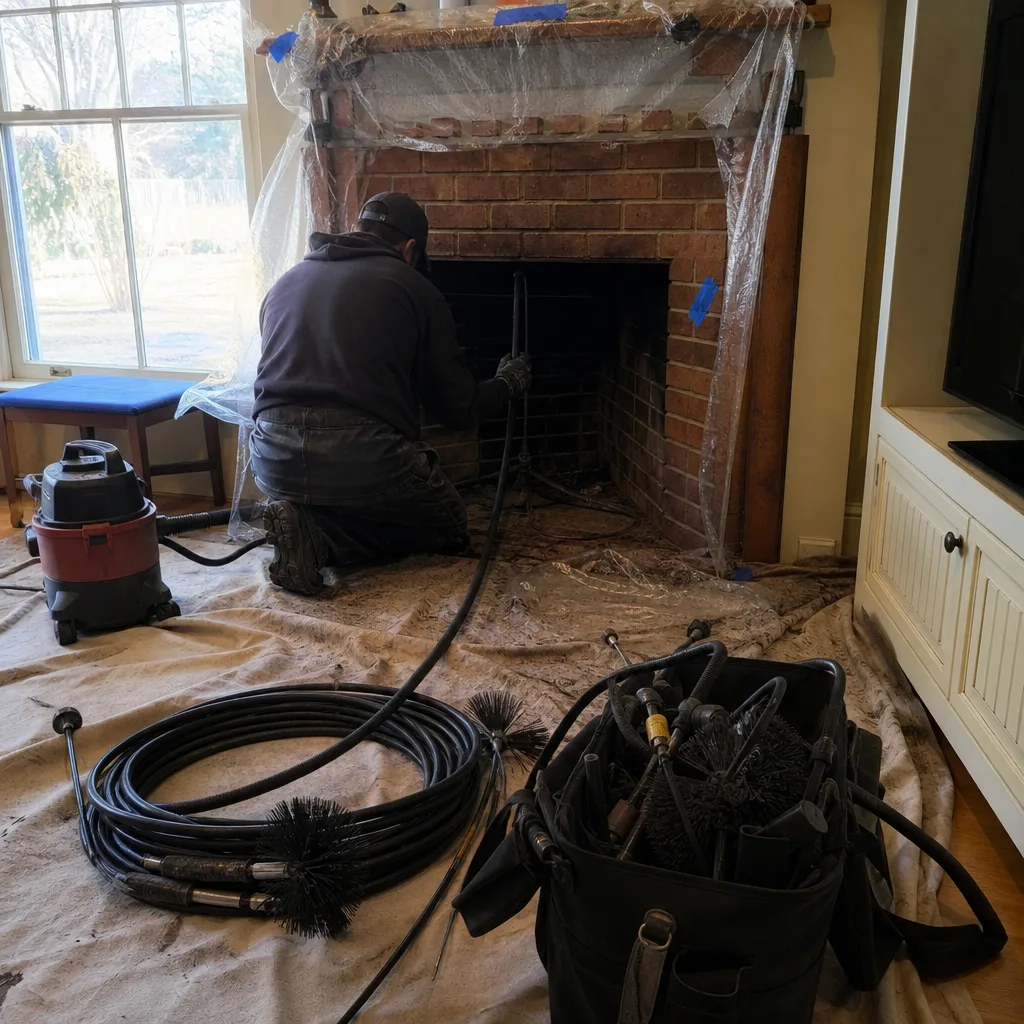 Before
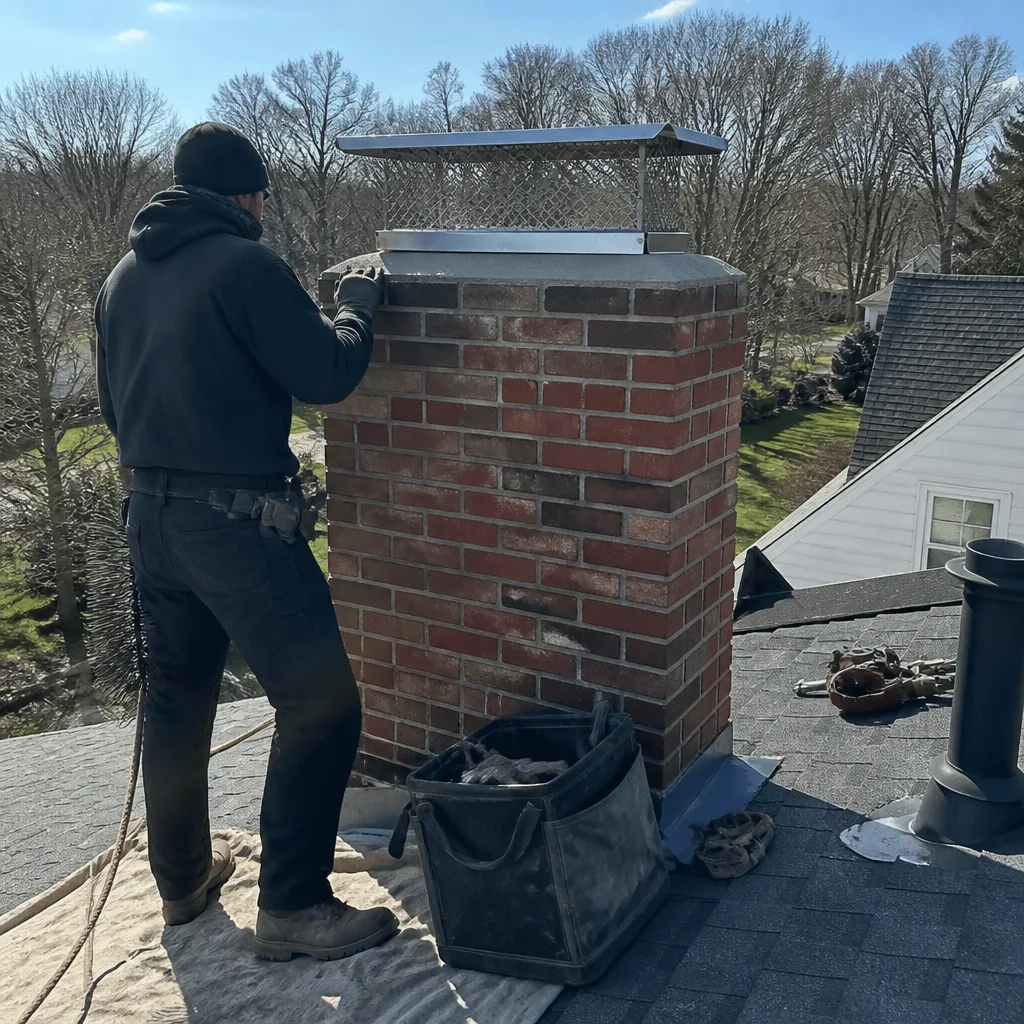 After
AfterChimney Cleaning Permits, Codes & Inspections in CT: What You Need to Know
A chimney sweep who starts talking about building permits mid-job isn’t creating paperwork for sport - they’re telling you the work crossed from maintenance into alteration, and that line matters to your insurance company, your home inspector, and the buyer who’ll own your house next. In West Hartford, we’ve seen homeowners discover unpermitted liner installations during pre-sale inspections, turning a straightforward closing into a $3,000-$8,000 surprise that stalls the deal for weeks. This guide draws a clear line between cleaning and construction, explains what Connecticut actually requires, and shows you how to protect yourself before the work starts. For a deeper dive, see our Complete Guide to Chimney Cleaning in West Hartford.
Quick Answer
Routine chimney cleaning and sweeping in Connecticut do not require a building permit. However, any repair, relining, structural modification, or appliance installation triggers permit requirements under the Connecticut State Building Code, and the work must pass inspection before the permit can be closed out. Homeowners who skip this step risk denied insurance claims, failed resale inspections, and code violations that become their financial responsibility.
Table of Contents
- Where Cleaning Ends and Construction Begins
- Connecticut Building Code Requirements for Chimney Work
- How West Hartford Handles Chimney Permits and Inspections
- NFPA 211 Standards: What Inspectors Actually Check
- Insurance Claims and Unpermitted Chimney Work
- How to Verify a Permit Was Properly Closed Out
- Common Mistakes to Avoid
- When to Call a Professional
- Frequently Asked Questions
- The Bottom Line
Where Cleaning Ends and Construction Begins
The distinction seems simple until a contractor is already on your roof. In Connecticut, the line is drawn by the scope of work, not by what you called to schedule.
Maintenance work - no permit required:
- Chimney sweeping and creosote removal
- Visual inspection from the firebox and roof
- Minor mortar joint tuckpointing (non-structural, under 10 square feet)
- Cap and damper cleaning and adjustment
- Smoke chamber parging with listed materials when no structural change occurs
Alteration work - permit required:
- Chimney liner installation or replacement
- Crown rebuild or replacement
- Firebox reconstruction or refractory panel replacement
- Smoke chamber modification or rebuild
- Structural repairs to the chimney stack or foundation
- Installation of a new fireplace insert or heating appliance
- Chimney extension or height modification
Here’s where West Hartford homeowners get caught. A “cleaning” appointment reveals a cracked flue liner, and the technician proposes a stainless steel replacement. That’s now construction. In our experience across West Hartford neighborhoods like Elmwood and Bishops Corner, the most common mid-job scope change is liner replacement following a Level-2 camera inspection. The technician should stop, explain the permit requirement, and provide a revised estimate that includes permit fees and inspection scheduling.
A contractor who treats liner replacement as “part of the cleaning” and skips the permit is not saving you hassle. They’re creating a paper trail gap that surfaces later. We’ve been called to inspect chimneys in West Hartford where the previous “sweep” installed a liner, collected payment, and left no documentation. The homeowner had no photos, no permit number, and no way to prove the work met code when their insurance company asked after a flue fire.
The permit fee itself is modest - typically $75-$150 in West Hartford for residential chimney work. The cost of discovering unpermitted work during a home sale is not modest at all.
Connecticut Building Code Requirements for Chimney Work
Connecticut operates under the Connecticut State Building Code, which adopts the International Building Code (IBC) with state amendments. For chimneys, the relevant sections are:
- IBC Chapter 10 - Chimneys and fireplaces
- International Mechanical Code (IMC) Chapter 8 - Chimneys and vents
- NFPA 211 - Standard for Chimneys, Fireplaces, Vents, and Solid Fuel-Burning Appliances (referenced throughout)
- NFPA 54 - National Fuel Gas Code (for gas appliance venting)
The code requires that all chimney construction, alteration, and repair comply with manufacturer’s installation instructions for listed materials. This is where brand specificity matters. A liner installed with Olympia Chimney stainless steel must follow Olympia’s clearance and fastening specifications. A crown repaired with Copperfield refractory products must meet Copperfield’s cure-time and temperature ratings. Generic “chimney cement” from a hardware store does not satisfy this requirement.
Key code provisions for Connecticut homeowners:
- Clearances to combustibles: Masonry chimneys must maintain 2 inches of clearance from wood framing. We’ve found this violated in West Hartford’s pre-1950 housing stock, where original construction assumed different standards and subsequent renovations buried chimney walls in insulation without maintaining the gap.
- Liner sizing: The liner must be correctly sized for the appliance it serves. An oversized liner for a modern, efficient insert causes condensation and accelerated deterioration. An undersized liner creates draft problems and carbon monoxide risk. The code requires calculation based on appliance BTU output and chimney height, not eyeball estimation.
- Factory-built chimney assemblies: Must be installed according to UL 103 or UL 127 listing, with no field modifications. We’ve encountered dangerous “custom” elbow assemblies in West Hartford homes that voided the listing and the homeowner’s insurance.
- Combustion air: Solid fuel appliances require adequate combustion air supply. Tight modern construction and energy retrofits in West Hartford’s older homes often create negative pressure conditions that violate this provision.
The building code is enforced at the local level. In Connecticut, this means your town’s building official has final authority over permit issuance, inspection scheduling, and approval. State code sets the floor; local amendments can raise it.
How West Hartford Handles Chimney Permits and Inspections
West Hartford’s Building Department operates from Town Hall on South Main Street. For chimney-related work, the process follows a clear sequence that homeowners should understand before hiring any contractor.
Step-by-step permit process in West Hartford:
- Application: The contractor or homeowner submits a permit application with scope description, materials list, and contractor license information. West Hartford requires the contractor’s Connecticut Home Improvement Contractor (HIC) registration.
- Plan review: For liner replacements and structural repairs, the building official reviews manufacturer specifications and installation diagrams. Simple cap replacements may qualify for over-the-counter permits without plan review.
- Fee payment: Residential chimney permits typically run $75-$150 depending on scope. Re-inspection fees apply if the inspector finds deficiencies.
- Work execution: The contractor performs the work. West Hartford does not require a mid-project inspection for most chimney work, though complex rebuilds may trigger a rough-in inspection.
- Final inspection: The building inspector examines the completed work against the approved plans and code requirements. For liner installations, this typically involves visual verification of proper connection, support, and clearance.
- Permit closeout: Upon passing inspection, the permit receives a final approval stamp. This closes the permit in the town’s system and generates the documentation you need for insurance and resale.
West Hartford’s inspection workload varies seasonally. Spring and early summer typically see faster turnaround - one to two weeks from application to inspection. Fall requests, when homeowners realize they need work before burning season, can stretch to three or four weeks. This is why we schedule permit applications before peak season whenever possible.
The town’s building inspectors are thorough and consistent. In our 42 years of working in West Hartford, we’ve found them knowledgeable about chimney-specific issues, particularly the interaction between older masonry and modern liner systems. They’ll flag improper liner support methods, missing termination caps, and clearance violations that less experienced inspectors might miss.
One West Hartford-specific consideration: the town’s historic district overlay in areas like Buena Vista and the Center triggers additional review for exterior-visible chimney modifications. A crown rebuild that changes the chimney profile may require Historic District Commission approval before the building permit can issue. We’ve navigated this process for homeowners and can confirm that starting early prevents fall burning-season delays.
NFPA 211 Standards: What Inspectors Actually Check
The National Fire Protection Association’s Standard 211 is the technical backbone of Connecticut chimney regulation. Building inspectors don’t carry the full text, but they work from checklists derived from its requirements. Understanding what NFPA 211 actually specifies helps you evaluate whether a contractor’s work will pass inspection.
NFPA 211 provisions most relevant to Connecticut homeowners:
- Section 7.1 - Inspection frequency: Chimneys, fireplaces, and vents shall be inspected at least annually, and cleaned as needed. This is the standard that insurance companies reference when evaluating claims. It does not mandate annual cleaning regardless of use - “as needed” is the operative phrase - but annual inspection is the baseline.
- Section 11.2 - Liner requirements: Masonry chimneys serving solid fuel appliances shall have a liner. The liner can be clay tile, listed metal, or cast-in-place refractory. In West Hartford, we see original clay tile liners in homes built before 1960. These fail by spalling, cracking at mortar joints, or detachment. NFPA 211 requires liner replacement when defects exceed 1/16-inch opening, when gaps exceed 1/2 inch, or when the liner is otherwise unable to contain and vent products of combustion.
- Section 11.4 - Clearances: Chimney liners must maintain proper clearance to surrounding masonry. For Gelco and Famco stainless steel liners, this typically means 1/2 to 1 inch of air space, plus proper insulation when required by listing. Packing the gap with mortar or loose fill violates the standard and creates heat transfer problems.
- Section 12.6 - Factory-built chimneys: Must be installed according to manufacturer’s instructions with no modifications. We’ve found West Hartford homeowners with factory-built systems where a previous owner “customized” the chimney chase with standard lumber and vinyl siding - a direct violation that creates serious fire risk.
- Section 14.9 - Chimney caps and termination: Chimneys must terminate with proper cap or shroud that prevents water entry and animal intrusion while maintaining adequate draft. Copperfield and Gelco caps we install meet this requirement with proper mesh sizing and minimum 5-inch height above flue opening.
NFPA 211 is updated on a three-year cycle. Connecticut typically adopts the current edition within 12-18 months of publication. As of 2024-2025, the 2019 edition with amendments remains in effect, but the 2022 edition’s provisions on solid fuel appliance clearances are being referenced by inspectors for new work. A contractor who doesn’t know which edition applies to your permit application is a contractor who hasn’t done their homework.
Our Level-2 camera inspections document NFPA 211 compliance conditions with photos you can see and a plain-English verdict. When we find liner defects that trigger replacement requirements, we cite the specific NFPA section so you understand why the work is necessary - not because we’re selling, but because the standard requires it.
Insurance Claims and Unpermitted Chimney Work
This is where permit gaps become expensive. Connecticut homeowners assume their fire insurance covers chimney-related damage broadly. It does not. The policy contains exclusions that activate when work was performed without required permits or by unlicensed contractors.
How insurance companies evaluate chimney fire claims:
- Cause determination: The adjuster investigates whether the fire resulted from maintenance neglect, installation defect, or unavoidable failure. A chimney fire caused by creosote buildup after years without sweeping is typically denied as maintenance-related.
- Work history review: If repairs or modifications were made, the adjuster requests permits and contractor documentation. Unpermitted liner installation? The claim enters a coverage review that often ends in denial or reduced payment.
- Code compliance verification: Even permitted work can be denied if inspection records show deficiencies that were never corrected. This is why permit closeout matters - an open permit is evidence of incomplete work.
- Contractor licensing check: Connecticut requires Home Improvement Contractor registration for jobs over $200. Unregistered contractors performing covered work void many policy protections.
We’ve consulted with West Hartford homeowners after chimney fires where the insurer denied coverage because a previous “sweep” had installed a liner without pulling the required permit. The homeowner paid $4,200 for the liner installation, then faced $18,000 in uninsured fire damage repair because the installation couldn’t be proven code-compliant.
The specific policy language varies, but most Connecticut homeowner policies contain a version of this exclusion: “We do not cover loss caused by faulty, inadequate, or defective design, materials, or workmanship.” Unpermitted work is presumptively defective in this analysis because it bypassed the inspection process designed to catch defects.
Your agent won’t volunteer this. We mention it because we’ve seen the aftermath. A permit costs $100. A coverage gap costs whatever your chimney fire damages.
How to Verify a Permit Was Properly Closed Out
Most homeowners never check. They pay the invoice, file it, and assume the contractor handled permits. When the home sells or the chimney fails, they discover the permit was never pulled, or was pulled but never inspected, or was inspected but failed with no correction.
How to verify permit status in West Hartford:
- Request the permit number before work begins. A legitimate contractor has no objection to sharing this. If they hesitate, that tells you something.
- Check the town’s online permit portal. West Hartford provides public access to permit status through its building department website. Enter the permit number to confirm it exists, matches your address, and covers the described scope.
- Confirm inspection scheduling. Call the Building Department at (860) 743-1516 and ask when final inspection is scheduled. The inspector’s name and appointment date should be on record.
- Request the final approval documentation. After passing inspection, the contractor or homeowner receives a final approval card or electronic confirmation. This is your proof of code compliance. File it with your home records.
- Verify permit closure in the system. Don’t assume “the inspector said it looked fine” means the permit is closed. Administrative closure requires data entry. Check the online portal 48 hours after inspection to confirm status shows “Final Approved” or equivalent.
We provide permit numbers, inspection dates, and final approval documentation for all permitted work we perform in West Hartford. Our invoices include a line item for permit fees paid to the town, with the town receipt attached. This is not exceptional service - it is baseline professionalism. Any contractor performing permitted work should do the same.
If you’re buying a home in West Hartford, add permit verification to your inspection checklist. Ask the seller for documentation of any chimney work. Check the town’s records independently. We’ve found unpermitted liner installations in homes that passed general home inspection because the home inspector assumed permits were in order. They were not.
Common Mistakes to Avoid
- Assuming “cleaning” covers everything on the estimate. A low cleaning quote that balloons mid-job often signals a contractor who plans to perform alteration work without proper permits or disclosure. Get scope clarity in writing before anyone climbs your roof.
- Accepting verbal permit assurances. “Don’t worry, we’ll take care of it” means nothing until you have a permit number. In West Hartford’s active real estate market, unpermitted work discovered during buyer inspection can stall or kill a sale.
- Ignoring the difference between town and state requirements. Connecticut state code sets minimums, but West Hartford’s local amendments and inspection practices determine what actually passes. A contractor who works statewide but rarely in West Hartford may miss local expectations.
- Skipping the final inspection step. Some contractors ask homeowners to “just say you did it yourself” to avoid permit requirements. This fraudulently evades code compliance and voids insurance coverage. Never agree.
- Using unregistered contractors for covered work. Connecticut’s Home Improvement Contractor registration is searchable online. An unregistered contractor performing $200+ work is operating illegally and cannot obtain permits.
- Failing to document with photos. Before-and-after photos protect you if questions arise later. Our Level-2 inspections include photos you can see of interior flue conditions, not just the contractor’s word about what they found.
- Waiting until October to schedule permitted work. West Hartford’s inspection queue lengthens dramatically in fall. Schedule summer work when possible, or confirm your contractor has permit approval in hand before burning season pressure builds.
When to Call a Professional
Call when the scope crosses from maintenance into anything structural, anything involving the liner, or anything connecting a new appliance to your chimney. Call when you’re buying a home and need to verify prior work. Call when your insurance company asks for documentation you don’t have. Call when you smell smoke in rooms where it doesn’t belong, or when your draft has deteriorated without explanation. You can also browse our more guides & resources for additional homeowner tips.
In West Hartford, the freeze-thaw cycles of our New England winters accelerate masonry deterioration. A crown crack that looks minor in September can admit enough water to spall brick faces by April. Early inspection lets you schedule permitted repairs on your timeline, not in emergency conditions during the first cold snap.
Chimney Cleaning & Sweep in West Hartford covers routine maintenance that keeps permits unnecessary. When inspection reveals needed repairs, Chimney Repair in West Hartford addresses the full scope with proper documentation.
Hearthstone Chimney Co. offers free estimates in West Hartford. We’ll assess your chimney, explain what requires permitting and what doesn’t, and provide upfront pricing with no surprises on the bill. Call (860) 743-1516. A live person answers, 24 hours a day.
Frequently Asked Questions
No. Routine chimney sweeping, creosote removal, and standard visual inspection do not require a building permit anywhere in Connecticut. The permit requirement activates when work involves liner replacement, structural repair, appliance installation, or any modification to the chimney system. If your contractor mentions permits for a standard cleaning, ask specifically what scope change triggered the requirement.
Residential chimney permits in West Hartford typically cost $75-$150 depending on scope complexity. Liner replacements and crown rebuilds fall at the higher end; cap replacements and minor repairs may qualify for lower fees. Re-inspection fees apply if the inspector identifies deficiencies requiring correction. Call (860) 743-1516 for an exact quote on your specific project - estimates are free.
The buyer’s home inspector or attorney will likely discover the gap through town records review. You’ll face a choice: obtain retroactive permits (often requiring exposed inspection of concealed work), provide a credit for estimated permit and repair costs, or risk the buyer walking. In West Hartford’s competitive market, unpermitted work can stall closing for 30-60 days or derail it entirely. The cost of proper permitting upfront is negligible compared to pre-sale remediation.
NFPA 211 requires annual inspection for all chimneys, fireplaces, and vents, with cleaning as needed. In West Hartford, where many homes burn wood or pellets through extended heating seasons, we recommend annual Level-1 inspection as a minimum, with Level-2 camera inspection when buying or selling, after chimney fire or lightning strike, or when changing appliance type. The freeze-thaw exposure of our climate accelerates masonry and liner deterioration that visual inspection alone can miss.
Yes, homeowners can act as their own contractor and pull permits for work on their primary residence. However, you remain responsible for code compliance and inspection passage. For liner installation and structural work, the technical requirements - proper sizing, support, clearance, and appliance connection - are substantial. Most homeowners find that a licensed, insured contractor with established inspector relationships achieves cleaner approvals with fewer re-inspections.
A Level-1 inspection is visual, accessible, and routine - what we perform during annual sweeping. A Level-2 inspection adds camera examination of the flue interior, accessible portions of the chimney exterior, and attic or crawl space clearances where reachable. It’s required for real estate transactions, after operational events, or when changing systems. Our Level-2 inspections end with photos you can see and a plain-English verdict, documented like an engineer and explained like a craftsman.
The Bottom Line
Permits are not a hassle invented by bureaucrats. They’re the mechanism that transforms a contractor’s promise into verifiable code compliance, and that compliance protects your insurance coverage, your home value, and your family’s safety. In Connecticut, the line between permit-free cleaning and permit-required construction is clear: maintenance needs no paperwork, but alteration does. West Hartford’s building department enforces this consistently, and the inspectors know chimneys well enough to catch shortcuts.
Verify permits before work begins. Confirm final inspection before final payment. Keep documentation with your permanent records. These three habits, applied consistently, prevent the surprises that turn chimney maintenance into financial and legal difficulty.
Done right - and we stand behind it. That’s the Keystone Standard we’ve operated by for over 42 years.
Hearthstone Chimney Co. home | Fireplace Services in West Hartford
Written by Russell Haines, Owner at Hearthstone Chimney Co., serving West Hartford since 2014.